INTRODUCTION
In the late winter of 1980, country radio programmers across America received a 45 RPM vinyl sleeve bearing a title that appeared deliberately designed to ignite controversy. With its suggestive cadence, “I’d Love to Lay You Down” seemed destined to be dismissed as another transient piece of jukebox bravado. Listeners braced for an overt provocation, yet the stylus dropped to reveal something completely contrary to the era’s sensationalist trends.
Instead of cheap bravado, the speakers resonated with an unvarnished, tender portrait of enduring companionship—a husband gazing at his partner in a faded cotton gown and envisioning decades of quiet porch afternoons together. How did a record disguised as an audacious proposition evolve into one of the genre’s purest testaments to growing old side by side?
THE DETAILED STORY
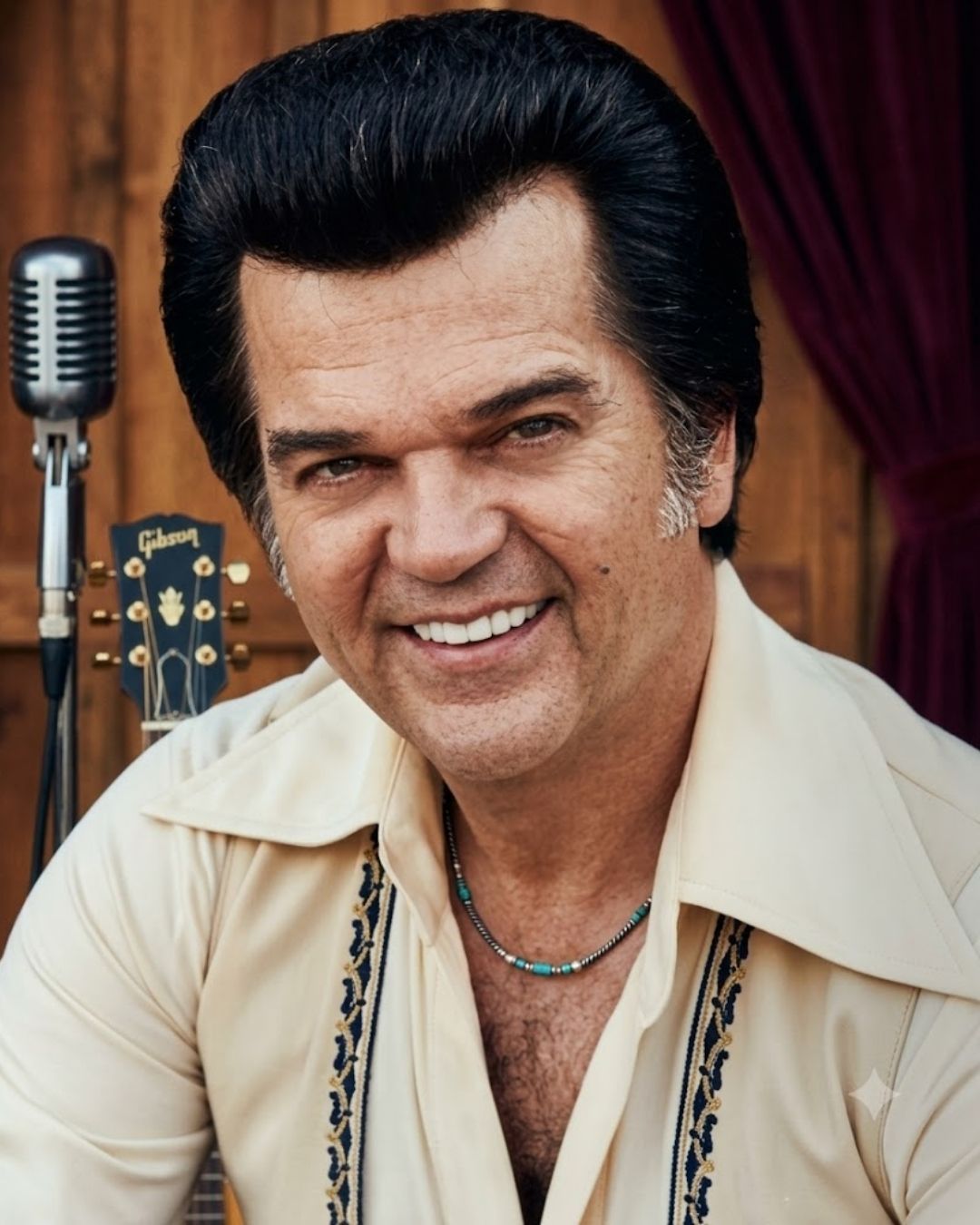
Penned by seasoned Nashville craftsman Johnny MacRae and issued on MCA Records, “I’d Love to Lay You Down” served as the anchor single for Conway Twitty’s landmark 1980 studio album, Heart & Soul. At that juncture in American music, the Urban Cowboy phenomenon was actively transforming Music Row, pushing productions toward glossy crossover textures and slick modern melodrama. Yet Twitty, possessing an unmatched baritone and an intimate vocal delivery that had earned him peerless standing across the South, approached the song with nuanced domestic sincerity.
The genius of the composition resides in its intentional subversion of expectations. Rather than chasing ephemeral infatuation, the narrative anchors itself in the authentic grace of daily routine. The narrator bypasses ornate poetic cliches about starry skies to focus on tangible, lived affection—finding profound romance in kitchen curlers, morning quiet, and domestic harmony.
The pivotal transition emerges in the third verse, where the storytelling shifts from the immediacy of passion to an unshakeable promise across time. Twitty directly addresses the passing of youth, pledging unyielding reverence for when “a whole lot of Decembers” show in her face and auburn hair yields to silver. It was this unflinching pledge to sit beside each other through the winter of life that resonated deeply with working-class households.
On March 29, 1980, Billboard officially verified that the track had ascended to the peak of the Hot Country Songs chart, cementing Twitty’s extraordinary 24th career number-one single. By stripping away superficial artifice and elevating marital longevity into something deeply sensual and sacred, Twitty created a cultural touchstone. Decades later, the song remains an architectural benchmark for country songwriting, proving that the deepest romantic devotion is found not in dramatic grand gestures, but in the quiet commitment to stay on the porch until the very end.