INTRODUCTION
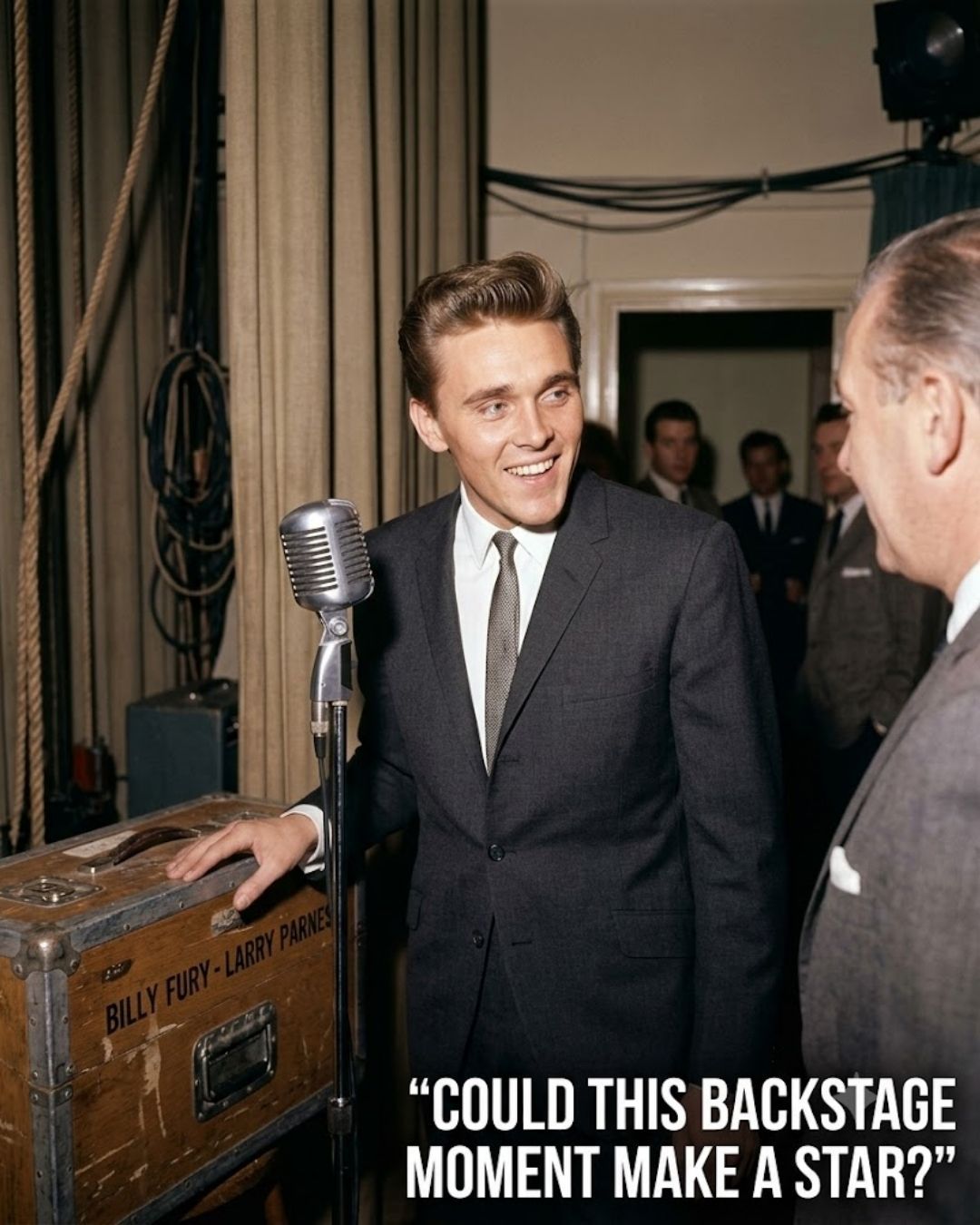
On the damp evening of 10/01/1958, an eighteen-year-old Liverpool tugboat deckhand named Ronald Wycherley stood shivering in the alley behind the Birkenhead Essoldo theatre. He carried a battered acoustic guitar held together with industrial adhesive tape, harboring no illusions of fame. Crushed by household bills and desperate to clear his mother’s compounding debts, his sole intention was purely transactional: pitch his self-penned compositions to visiting impresario Larry Parnes for a modest sum. When he slipped past security into the dressing room of rock headliner Marty Wilde, he expected a brief rejection or a small paycheck. Instead, the improvised audition triggered an instantaneous managerial decision that upended the evening’s program. What transpired in those cramped backstage corridors that transformed an impoverished laborer into an epochal voice within minutes?
THE DETAILED STORY
Larry Parnes was already the most formidable star-maker in postwar Britain, curating a roster of heavily packaged teenage idols tailored for mass consumption. When young Ronald Wycherley quietly launched into his self-composed tracks, including “Margo” and “Maybe Tomorrow,” the room fell completely silent. The teenager possessed an innate, vulnerable vocal delivery distinct from the era’s pervasive American rockabilly caricatures. Recognizing an untamed magnetism beneath the nervous tremors, Parnes bypassed financial negotiations entirely and pushed him onto stage immediately before an impatient crowd of two thousand screaming attendees.
Dressed in workaday attire rather than stage sequins, Wycherley walked directly into the blinding spotlight midway through the concert. Backed only by his tape-bound instrument, the young singer delivered his own material with an authentic emotional fragility that transfixed the auditorium. The audience erupted into genuine pandemonium before he could strike his final chord. By the time he retreated behind the stage curtains, Parnes had finalized a management agreement and christened the dock worker with the stage moniker Billy Fury.
This unscripted debut fundamentally shifted the paradigm of early British pop music. Until that night, British acts functioned largely as derivative echoes of American rock and roll, reliant on imported sheet music and theatrical posturing. Fury was an anomaly: a working-class songwriter generating genuine, introspective hits from personal hardship. His rapid rise yielded twenty-four UK Top 40 singles, equalling the chart performance records of his American peers across the early 1960s. The impromptu Birkenhead audition demonstrated that domestic British talent could craft its own definitive identity, laying vital architectural groundwork for the Merseybeat revolution that followed.