Introduction
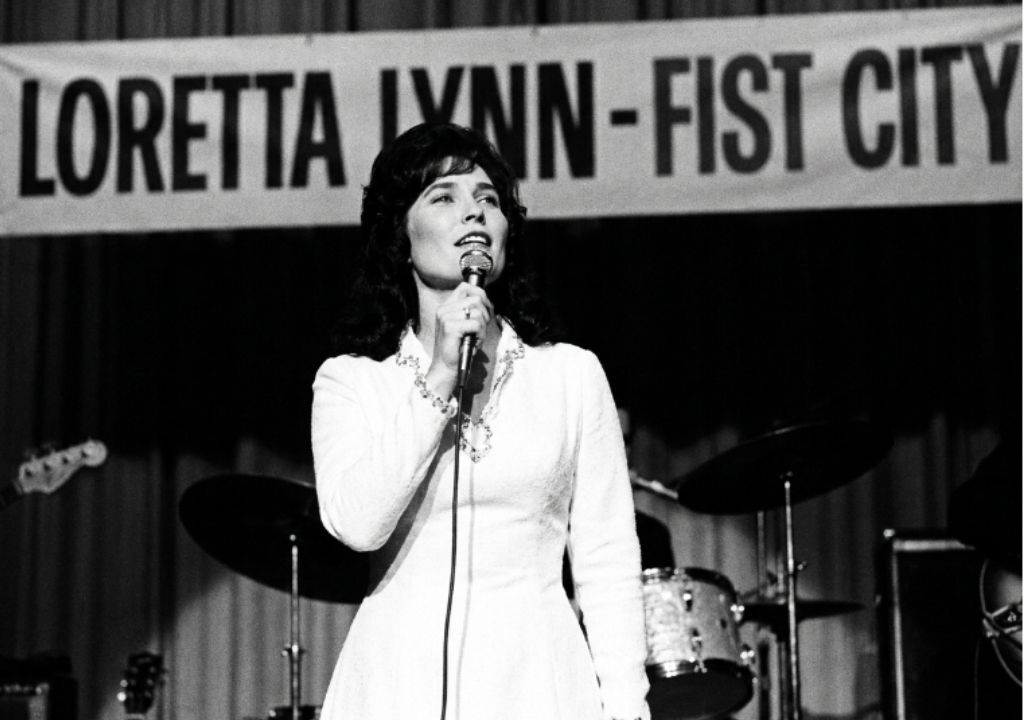
There is a unique kind of magic embedded in the grooves of mid-century vinyl, a texture that digital perfection can never quite replicate. When you drop the needle on a record from the late 1960s, you are not just listening to notes; you are stepping directly into someone’s living room, catching the scent of old wood, and feeling the heat of real, unvarnished human experience. In 1968, country music was undergoing a profound transformation, shifting away from the polished, smooth string arrangements of the Nashville Sound and returning to the smoke-filled, neon-lit rooms of honky-tonk reality. At the absolute center of this cultural earthquake stood a woman from Butcher Hollow, Kentucky, who refused to sing the polite, passive songs expected of female artists at the time. That woman was Loretta Lynn, and the song that shook the foundations of the country charts was “Fist City.”
To truly appreciate “Fist City,” one must understand the absolute fearlessness it required. Long before the era of modern diss tracks or public social media feuds, Loretta Lynn used the microphone as a shield and a declaration of sovereignty. The song wasn’t a fictional tale spun by an anonymous songwriting committee in a sterile studio; it was born out of genuine, fiery real-life frustration. A local woman in Tennessee had been making unwanted advances toward Loretta’s husband, Oliver “Doolittle” Lynn, while Loretta was away on tour trying to provide for her family. Instead of weeping silently or retreating into heartbreak, Loretta did what she always did best: she channeled her anger into raw, brilliant poetry.
The musical arrangement itself is a masterclass in classic honky-tonk. From the very first measure, the whining, crying steel guitar sets a tense yet incredibly upbeat atmosphere. The steady, walking bassline and the rhythmic acoustic strumming give the track a propulsive energy that forces your foot to tap, even as the lyrical content delivers a stern, unyielding ultimatum. Loretta’s vocal performance is nothing short of spectacular. Her voice possesses a crystalline clarity, rooted deeply in her Appalachian heritage, carrying an undeniable twang that feels both comforting and incredibly dangerous. She doesn’t scream or shout; instead, she delivers her warnings with a smiling, razor-sharp precision that makes every single syllable sting. When she sings the titular phrase, you can practically see the dust kicking up on a gravel road outside a rural tavern.
“Fist City” shattered the conventional mold of the submissive, long-suffering country housewife who quietly forgave her cheating man. Loretta established a new archetype: a fiercely loyal, independent woman who was fully prepared to physically defend her household. It was an anthem of female agency wrapped in a traditional country package. Decades later, the song still retains its brilliant, rebellious spark. It serves as a vivid time capsule of an era when country music was the voice of the working class, capturing the grit, the humor, and the undeniable heart of a true American legend.