INTRODUCTION
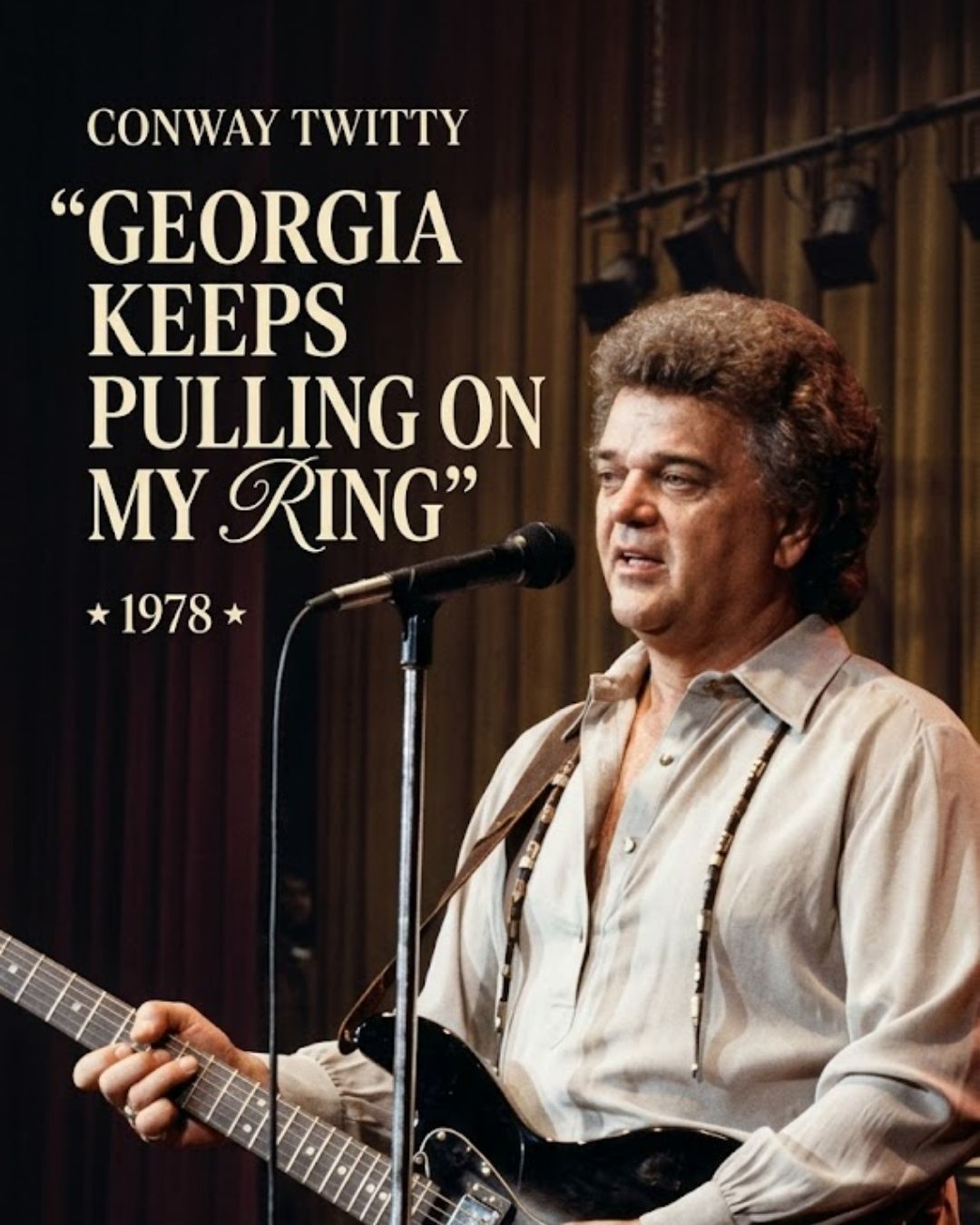
Inside Bradley’s Barn in Nashville, producer Owen Bradley adjusted the studio levels as a weeping steel guitar filled the tracking room. When Conway Twitty stepped to the microphone in 1977, he was not looking for an ordinary radio anthem, but an intimate confession of forbidden desire. How did a forgotten song become one of country music’s most arresting explorations of fidelity?
THE DETAILED STORY
Originally penned by songwriters David Wilkins and Tim Marshall, the composition had first surfaced in 1974 when Wilkins recorded it to modest regional attention, stalling at number 50 in 1974 on the national country charts. While most Nashville contemporaries would have dismissed the song as a minor footnote, Conway Twitty possessed an extraordinary instinct for discovering untapped dramatic resonance. Where others heard an ordinary honky-tonk number, Twitty recognized a deeply poignant psychological conflict. He envisioned the painful tale of a devoted husband torn between his sacred marriage vows and the irresistible allure of an old flame named Georgia.
Entering Bradley’s Barn alongside legendary producer Owen Bradley, Twitty reimagined the track as the defining centerpiece of his thirty-eighth studio album for MCA Records. Rather than leaning into remorseful melodrama or bravado, Twitty approached the recording with an aching, conversational gravity that became his trademark. Bradley cushioned Twitty’s smoky baritone and impassioned vocal bends with rich Countrypolitan elegance. Subtle piano flourishes, crying pedal steel accents, and understated backing harmonies from The Nashville Sounds built a twilight honky-tonk ambiance where every lyric landed with profound emotional consequence.
The lyrical power of the song rests upon its visceral physical metaphor. The gold band on the singer’s hand is not merely jewelry; it represents a sacred moral anchor enduring relentless temptation. When Georgia physically reaches out and tugs at the ring, the motion mirrors the agonizing internal crisis of a good man who cherishes his family yet struggles against an overwhelming romantic pull. Twitty performs the verses with breathtaking vulnerability, letting his voice crack with genuine hesitation, capturing the quiet shame and lingering regret that define authentic country heartbreak.
Released in October 1977, the single achieved swift commercial and critical acclaim, climbing steadily as it peaked at number 3 on Billboard Hot Country Singles and reaching number 1 on Canada’s RPM country chart. At a time when the Nashville establishment was aggressively courting mainstream crossover pop, the track proved that mature, character-driven narratives remained the lifeblood of authentic country music. Decades later, the recording endures as an essential classic, showcasing Twitty at the height of his powers as country music’s ultimate chronicler of human passion and fidelity.