Introduction
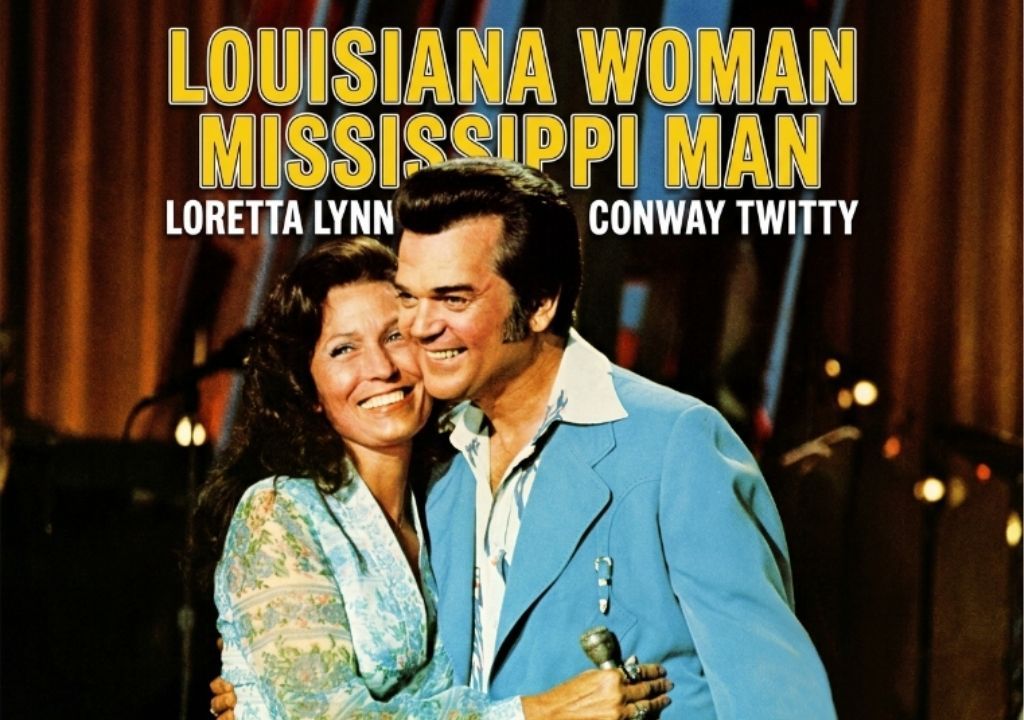
There is a distinct, undeniable magic that occurs when two voices don’t just complement each other, but actively catch fire together. In the rich tapestry of classic country music, few pairings have ever achieved the sheer, combustible brilliance of Loretta Lynn and Conway Twitty. When they entered the studio together in the early 1970s, they weren’t just two solo superstars looking for a collaborative hit; they were architects of a completely new standard for country duets. Released in 1973 as the lead single and title track of their third collaborative album, “Louisiana Woman, Mississippi Man” stands as the ultimate testament to this unparalleled musical partnership. Written by Becki Bluefield and Jim Owen, the song instantly captured the hearts of millions, rapidly climbing to the number one spot on the Billboard Hot Country Singles chart and solidifying their status as the definitive duo of the era.
At its core, the track is a masterclass in narrative songwriting and rhythmic energy. It tells the timeless story of two lovers separated by the vast, unforgiving expanse of the Mississippi River. The “Louisiana woman” and the “Mississippi man” are trapped on opposite shores, yet their passion is so fierce that no geographic barrier, not even the mighty river itself, can keep them apart. The lyrics paint a vivid picture of desperate longing mixed with absolute defiance, as they threaten to wade, swim, or literally pull the riverbanks together just to be in each other’s arms. It is a joyful, up-tempo celebration of romance that rejects the typical melancholic tropes of traditional country heartbreak, opting instead for a raucous, unstoppable optimism that instantly sweeps the listener along.
Musically, the song captures the absolute pinnacle of the Nashville Sound transition into the high-energy era of the 1970s. Produced by the legendary Owen Bradley, the arrangement is propelled by a driving bassline, frantic acoustic strumming, and a signature, weeping pedal steel guitar that perfectly mimics the flowing, unpredictable nature of the river itself. The instrumentation creates a sense of perpetual motion, mirroring the urgency of the lovers’ plight. But the true engine of the track is, without question, the vocal interplay. Loretta’s sharp, twangy, and fiercely independent country delivery collides beautifully with Conway’s deep, sultry, and slightly rockabilly-tinged baritone. They don’t just trade verses; they complete each other’s sentences, trading lines with a rapid-fire cadence that requires absolute rhythmic precision. When their voices merge in the chorus, the harmony is dense, resonant, and overflowing with natural, effortless charisma.
Looking back from the vantage point of today, “Louisiana Woman, Mississippi Man” represents a golden era of musical authenticity. It reminds us of a time when country music was deeply grounded in the regional identities of the American South, channeling the humidity, the landscapes, and the raw human emotions of everyday life. Loretta Lynn, the proud coal miner’s daughter, brought a gritty, no-nonsense realism to the microphone, while Conway Twitty provided the smooth, dramatic flair that made him a legendary romantic icon. Together, they didn’t just sing a song; they created a living, breathing cinematic vignette that continues to make listeners tap their feet and long for a bygone era of analog storytelling. Decades later, the river still flows, but the fire they lit remains completely undiminished.