INTRODUCTION
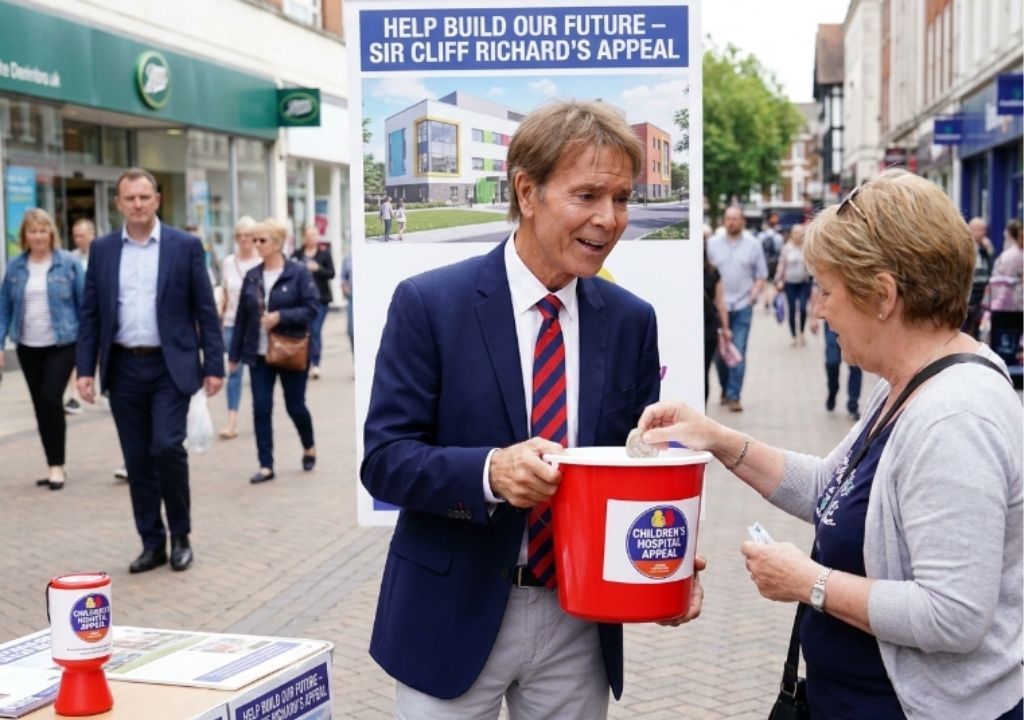
In August 2023, British music icon Sir Cliff Richard stood inside the vibrant walls of Shooting Star House in Hampton, meticulously painting red double-decker buses alongside young patients facing life-limiting illnesses. For over six decades, the legendary pop star has proven that a celebrity’s image can achieve far more than commercial chart dominance. Rather than merely offering passive endorsements, Richard transformed his global likeness into an active financial engine for specialized healthcare. Through the targeted deployment of his public profile, archival merchandise auctions, and elite benefit performances, he has established a permanent architectural legacy across the United Kingdom’s pediatric medical sector. By intertwining the cultural loyalty of his massive fan base with structural philanthropy, Richard pioneered a masterclass in modern celebrity asset stewardship, translating lifelong fan devotion into bricks, mortars, and high-quality palliative care spaces for the nation’s most vulnerable children.
THE DETAILED STORY
The intersection of popular culture and systematic medical fundraising requires an acute understanding of public relations and institutional trust. For decades, Sir Cliff Richard has seamlessly merged these two arenas by utilizing his personal foundation as a highly regulated financial conduit. Founded to systematically allocate corporate grants and personal wealth, the organization prioritizes cutting-edge medical research and pediatric care infrastructure throughout England and Wales. However, the true efficacy of his philanthropic model lies in how he directly leverages his physical likeness and performance history to catalyze massive public contributions.
A primary example of this specialized strategy is his long-standing partnership with Shooting Star Children’s Hospices, an organization he has championed for over twenty years. In 2004, Richard personally conducted the monumental “Topping Out” ceremony at Shooting Star House, leveraging his extensive media pull to draw unprecedented institutional attention to the facility’s construction. Over the subsequent two decades, his methodology evolved beyond traditional fundraising. Instead of standard corporate donor appeals, Richard gamified philanthropy by directly injecting his personal artifacts and artistic milestones into the funding stream. Whether donating highly treasured personal stage wardrobes—such as the iconic, autographed jacket he wore while watching Andy Murray claim his historic Wimbledon title—or hosting exclusive, high-ticket charity galas, Richard constantly turns his celebrity status into concrete healthcare capital.
Furthermore, this institutional impact is multiplied by his deeply localized engagement across regional Britain. From backing grass-roots tennis marathons to support Claire House Children’s Hospice in Cheshire, to organizing specialized fan-club collection networks for Francis House in Greater Manchester, Richard’s approach remains intensely strategic. He has built an ecosystem where fan engagement is intrinsically linked to medical infrastructure expansion. By enforcing total financial transparency, he financed long-term pediatric clinical infrastructure with every pound generated by his public image, ensuring funds directly cover complex medical equipment, sensory rooms, and specialized nursing care. This unwavering commitment effectively transforms the traditional concept of an entertainment icon into a vital architect of contemporary British healthcare sustainability.