INTRODUCTION
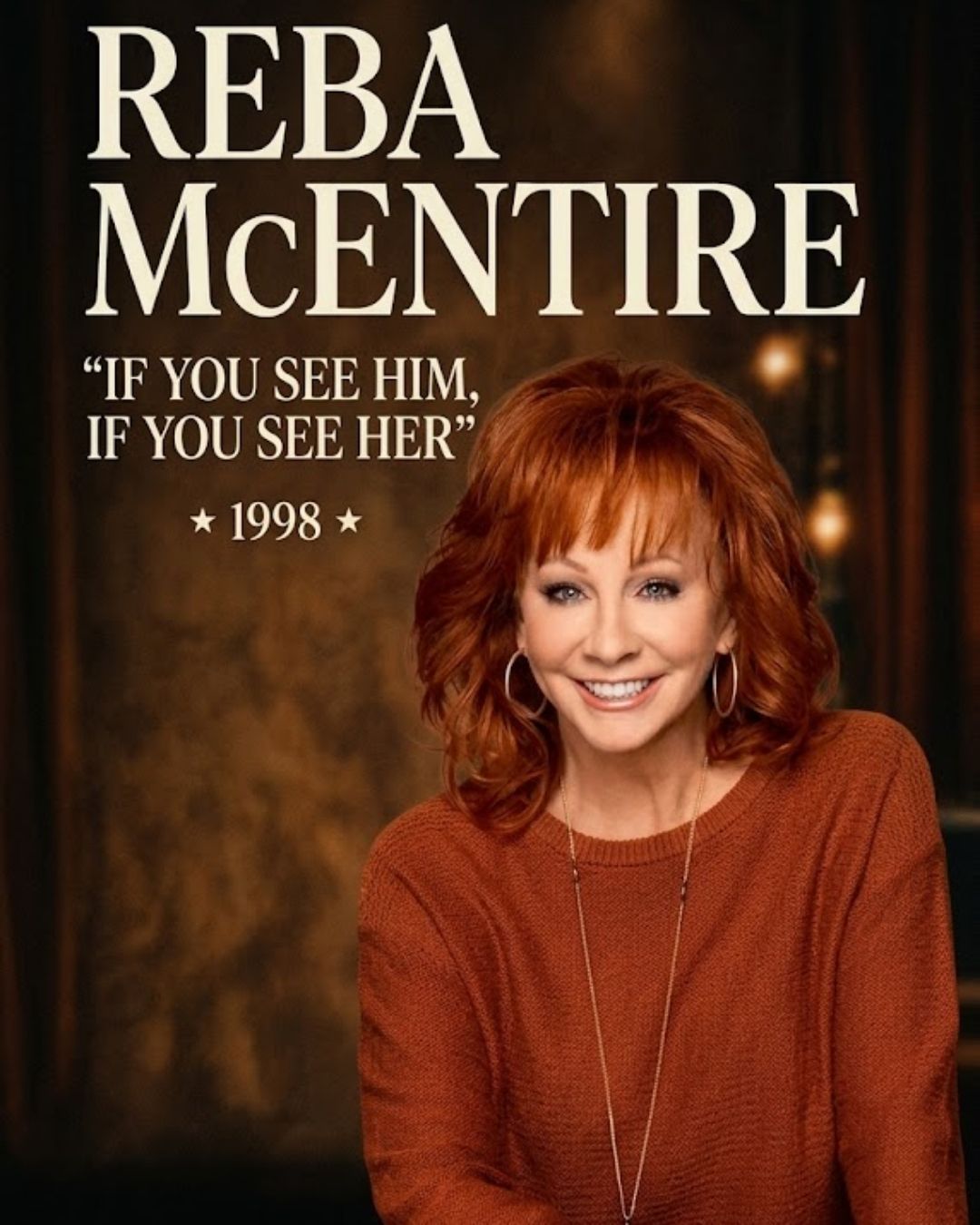
In the spring of 1998, two powerhouse country camps gathered in Nashville to attempt an unprecedented crossover venture that required joint distribution between competing record labels. Rather than relying on bombastic vocal displays, the arrangement leaned entirely into fragile, whispered restraint. But how did this delicate recording between superstar friends become one of the most culturally enduring duets in modern country history?
THE DETAILED STORY
During their explosive joint stadium tour in 1997, Reba McEntire and the powerhouse duo Brooks & Dunn recognized a rare creative chemistry that demanded more than shared stage time. When songwriters Terry McBride, Jennifer Kimball, and Tommy Lee James completed a poignant ballad about unresolved romantic longing, McEntire immediately envisioned Ronnie Dunn’s soulful, blues-infused tenor complementing her own dramatic vocal timbre. The collaboration, however, presented a formidable industry hurdle: uniting two corporate rivals, MCA Nashville and Arista Nashville, under a synchronized promotional campaign.
The labels forged an unprecedented agreement, releasing the single simultaneously as the title track for two separate studio albums on June 2, 1998: McEntire’s If You See Him and Brooks & Dunn’s If You See Her. This dual-release strategy made music history, yet the song’s enduring brilliance rests firmly on its masterclass in lyrical composition and emotional tension.
Rather than staging a conventional face-to-face confrontation between estranged lovers, the narrative unfolds entirely through an unnamed mutual friend. Each protagonist delivers cautious, guarded inquiries about the other, attempting to project polite nonchalance while masking profound heartache. Lines asking if the other person is happy, working hard, or seeing someone new carry an unbearable weight of unspoken regret. The genius of the structure lies in its agonizing dramatic irony: both individuals desperately wish to reconcile, yet neither possesses the courage to bypass the intermediary and speak directly.
Musically, co-producers David Malloy and Keith Stegall framed the arrangement with acoustic guitar warmth, subtle pedal steel swells, and lush string orchestration that never overwhelms the vocalists. McEntire brings breathtaking nuance, utilizing her trademark expressive phrasing to convey fragile pride, while Dunn delivers gritty, impassioned vulnerability. Their soaring harmonies on the choruses do not clash for dominance; instead, they intertwine like two parallel lives that refuse to fully separate.
The track ascended rapidly to number one on the Billboard Hot Country Singles & Tracks chart, solidifying its place as a monumental achievement of 1990s country music. Decades later, the recording remains a timeless benchmark for narrative duets, proving that the most devastating heartbreak often resides in the questions we only dare to ask through someone else.