Introduction
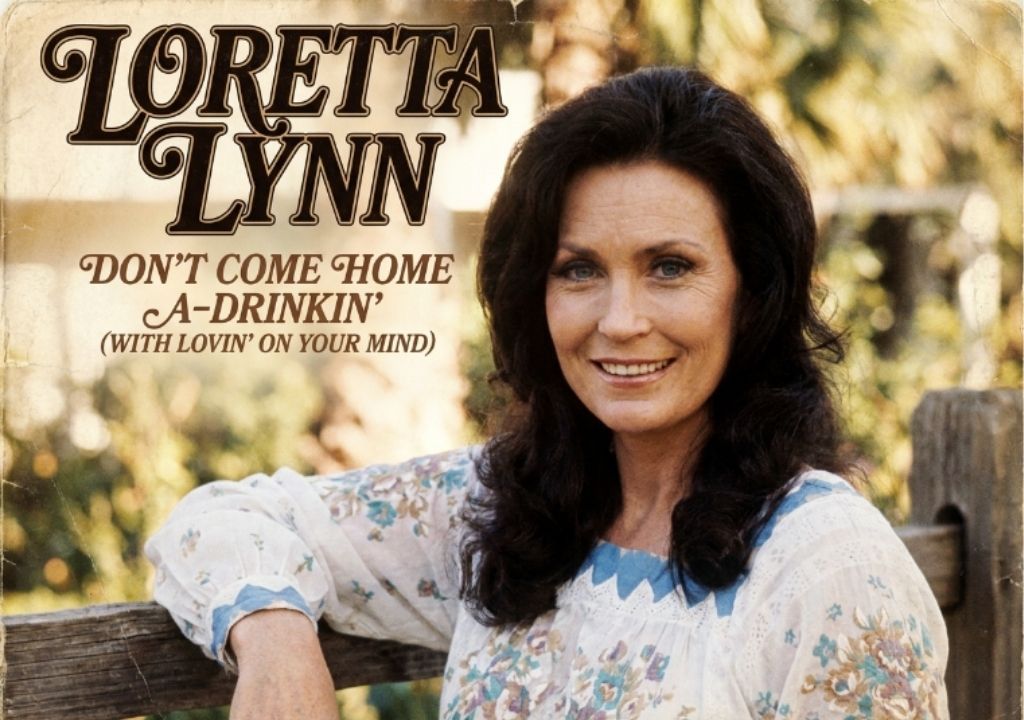
The late 1960s was a transformative era for country music, a time when the genre was shifting from the polished, smooth sounds of the Nashville Sound back toward its raw, honky-tonk roots. In the middle of this musical evolution stood a fierce, resilient woman from Butcher Hollow, Kentucky. When Loretta Lynn released “Don’t Come Home A-Drinkin’ (With Lovin’ on Your Mind)” in late 1966, she did not just release a song; she fired a warning shot that shattered the traditional, submissive tropes of the country music housewife. It was a golden age where jukeboxes spun tales of heartbreak, but no one had ever spoken truth to power quite like Loretta. Dropping the stylus onto that vintage vinyl record transports us instantly to a smoke-filled tavern, where the neon lights flicker and the truth is laid bare without any sugarcoating.
The song opens with a classic, weeping steel guitar intro, a definitive signature of the honky-tonk style that immediately establishes a sense of domestic grit. Loretta’s voice enters, sharp as a tack and completely devoid of hesitation. She sings from the perspective of a tired woman sitting up late, waiting for a husband who has spent the night at the local watering hole. The atmosphere is heavy with the scent of stale beer and old excuses. What makes this track so timeless is its unflinching honesty. At a time when women in country music were largely expected to sing about standing by their men through thick and thin, Loretta stood up and drew a hard line in the sand. The lyricism is brilliant in its simplicity and devastating in its emotional clarity. She strips away the romanticized illusions of marriage, replacing them with the stark, relatable reality of a woman demanding respect.
Musically, the track embodies the very best of 1960s country instrumentation. The rhythmic drive is steady, mimicking the persistent ticking of a kitchen clock during those long, lonely hours of the night. The production, guided by the legendary Owen Bradley, lets Loretta’s Appalachian twang shine brightly, untouched by the pop-inflected gloss that was popular at the time. This was raw, authentic storytelling at its absolute peak. When you listen to it today, the warmth of the analog recording carries a profound sense of nostalgia, reminding us of an era when music was built on the foundation of genuine human experience and undeniable vocal talent. Loretta didn’t need vocal effects or elaborate production tricks; her power lay entirely in her authenticity and her ability to speak for millions of women who felt invisible.
“Don’t Come Home A-Drinkin'” ultimately became Loretta Lynn’s very first number-one hit on the Billboard country chart, cementing her legacy as a trailblazer and the undisputed Queen of Country Music. It opened the floodgates for a career defined by fearless songwriting, paving the way for future generations of female artists to speak their minds without fear of censorship. Decades later, the song still retains its vibrant emotional punch. It serves as a beautiful, melancholic window into the past, capturing the shifting cultural landscape of the 1960s while remaining fiercely relevant. Listening to it is like sitting down with an old friend who tells you exactly how it is, wrapped in the comforting embrace of classic country instrumentation. It is a cinematic masterpiece of rural realism, an enduring testament to a legendary artist who refused to let her voice be silenced.