Introduction
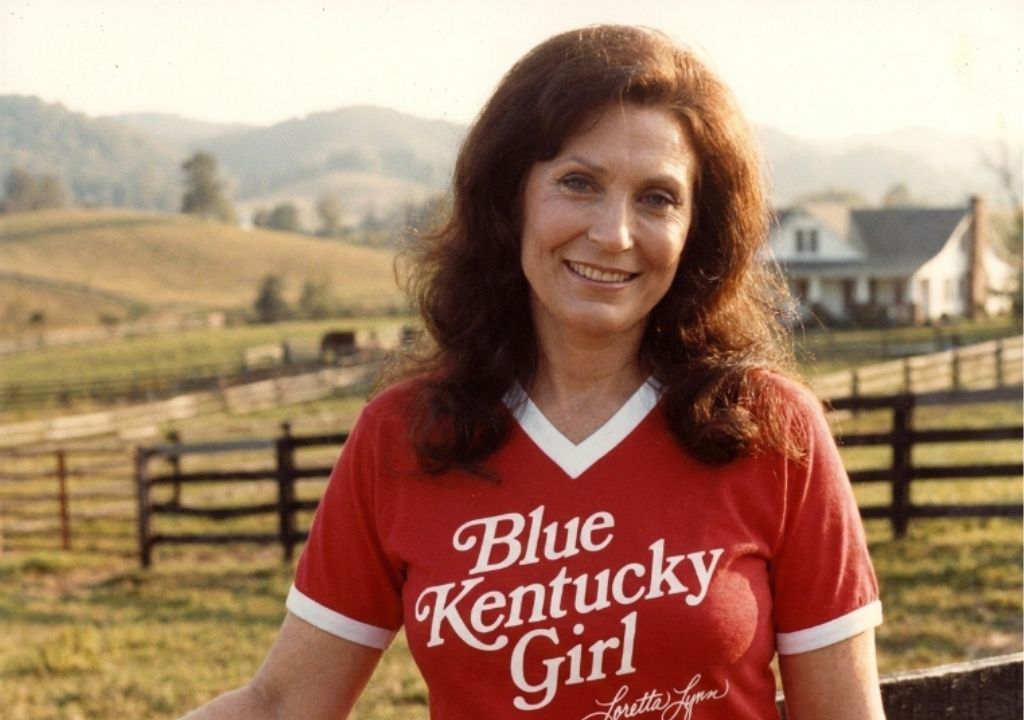
There is a distinct, bittersweet magic hidden within the grooved vinyl of mid-1960s country music, an era when the genre still carried the literal dust of rural America on its boots. Released in 1965 as the title track of her landmark album, Loretta Lynn’s Blue Kentucky Girl stands as a pristine monument to this golden age. Written by the brilliant Johnny Mullins, the song is a masterclass in traditional country storytelling, capturing a delicate yet profound emotional landscape that feels as vivid today as it did more than six decades ago. When you drop the needle on this record, you aren’t just listening to a melody; you are stepping into a smoky, dimly lit front porch in the heart of the Appalachian hills, watching the fog roll over the ridges while a lonely heart counts the miles.
During this period, Nashville was rapidly evolving, leaning heavily into the polished, string-laden arrangements of the “Nashville Sound” to appeal to pop audiences. Yet, Loretta Lynn remained beautifully, stubbornly unapologetic about her roots. Blue Kentucky Girl is a brilliant showcase of her refusal to dilute the raw honesty of traditional honky-tonk. The arrangement is wonderfully sparse and organic, anchored by the mournful, weeping sigh of the pedal steel guitar and the steady, rhythmic heartbeat of an acoustic bass. This musical minimalism creates an intimate space where Loretta’s voice can truly command the room. Her vocals possess a crystalline purity, cut with that unmistakable, sharp mountain twang that instantly conveys a lifetime of lived experience, resilience, and deep-seated vulnerability.
The thematic heart of the song revolves around a classic country trope—the agonizing ache of waiting for a wandering lover who has been lured away by the bright lights and false promises of the big city. Loretta sings from the perspective of the girl left behind in the quiet country hollows, wrapped in loneliness but fiercely holding onto her fidelity. What makes her performance so gripping is the complete absence of self-pity. Where other vocalists might sound defeated, Loretta infuses the lyrics with a quiet, dignified strength. She isn’t just weeping for what is lost; she is asserting the enduring value of home, simplicity, and true love over the transient glitz of urban life. It is a song that spoke directly to the massive internal migration of the era, when millions left their rural homes for factory jobs in the North, leaving behind sweethearts who prayed for their safe return.
Decades later, even after icons like Emmylou Harris breathed new life into the track in the late 1970s, it is Loretta Lynn’s original version that remains the definitive emotional blueprint. It encapsulates the very essence of who she was as an artist: a fierce protector of traditional sounds, a voice for the overlooked, and a master filmmaker of the human heart through song. Listening to it today is a deeply nostalgic journey, reminding us of a time when music didn’t rely on digital perfection, but rather on the raw, unvarnished truth of a wooden guitar, a weeping steel, and a voice that knew exactly what it meant to miss home.