INTRODUCTION
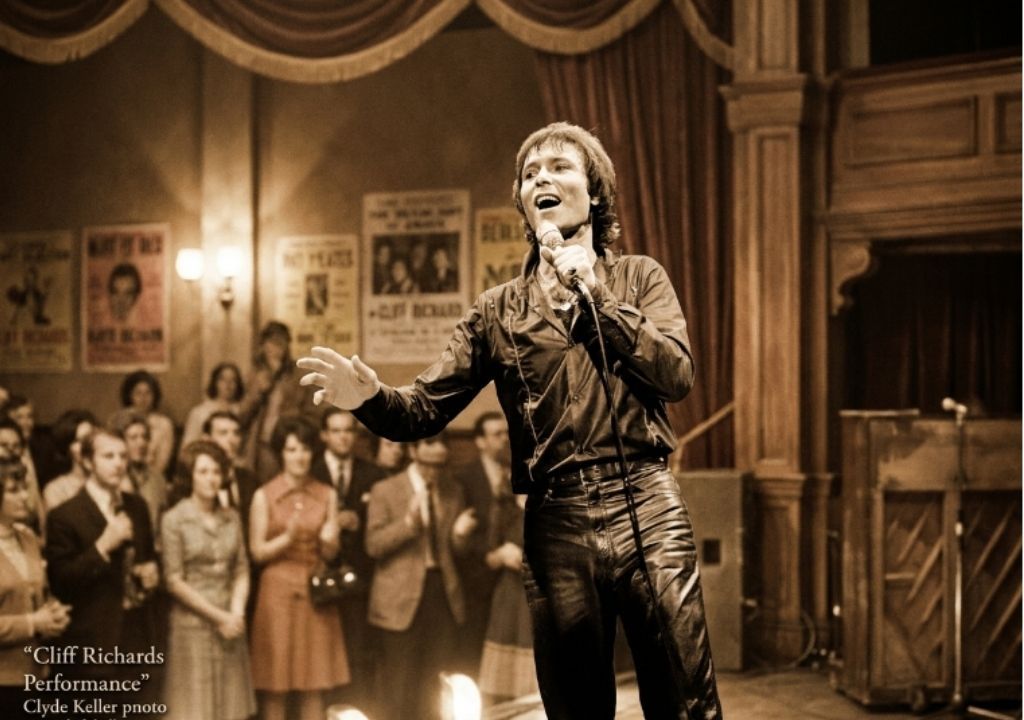
In October 1961, a deeply personal three-page letter transformed the landscape of British popular culture. At just 21 years old, Sir Cliff Richard stood at a monumental crossroads, balancing his meteoric ascent as Britain’s premier rock icon against a quiet, genuine romance with Australian dancer Delia Wicks. The young couple had shared 18 cherished months together away from the relentless media spotlight. Yet, as pressure mounted following his father’s passing, the young star felt compelled to make a profound choice. Writing directly from his heart, he addressed the reality of fame with startling clarity, acknowledging that extraordinary success demanded extraordinary sacrifice. He made the pivotal decision to redefine his future trajectory, realizing that the demands of his calling left no space for a conventional life. What revealed itself within those handwritten pages that forever altered his personal destiny?
THE DETAILED STORY
The letter sent to Delia Wicks was not an act of callous dismissal, but rather a testament to brutal honesty and artistic dedication. At the dawn of the 1960s, long before the global arrival of The Beatles, Sir Cliff Richard anchored the UK pop music landscape, driving massive record sales and defining a generation’s cultural soundtrack. However, behind the roaring applause lay immense personal responsibility. Following the sudden death of his father, Rodger Webb, in 1961, the 21-year-old singer suddenly became the primary financial and emotional anchor for his mother and three younger sisters.
In his candid three-page correspondence written that October, he articulated the sobering reality of his rising stardom without pretense. He wrote that his chosen path required forfeiting a priceless human privilege: the right to maintain a lasting domestic partnership. Rather than offering false promises, he explicitly urged Delia Wicks to seek a partner who was truly free to offer the devotion and marriage she deserved. He recognized that his life was no longer entirely his own; his family depended entirely on his career, and the stage had irrevocably captured his soul. As he noted with remarkable emotional maturity, show business was in his blood, and without it, he would be lost.
When the private correspondence came to light decades later in April 2010 following her passing, cultural historians viewed it not as a story of simple heartbreak, but as an illuminating artifact of extraordinary professional discipline and self-awareness. Sir Cliff Richard chose to prioritize duty over romantic commitment, establishing a singular, uncompromising focus that ultimately powered one of the most enduring careers in global entertainment history. By committing wholly to his craft and his fanbase, he achieved unprecedented longevity, becoming the only UK recording artist to score top singles across six decades. That pivotal decision in October 1961 forever defined the profound personal sacrifices required to build an immortal musical legacy.