INTRODUCTION
On a crisp evening in early 1959, establishment music journalists gathered in London concert halls, taking notes that would soon condemn a young performer’s visceral movements as dangerously scandalous. Chief among those skeptics were the senior editors at Melody Maker, Britain’s premier music publication, who initially dismissed the Liverpool-born sensation as a mere fleeting sensation tailored for teenage hysteria. They viewed his sultry delivery and brooding stage persona as an unpolished threat to refined British pop sensibilities. Yet beneath the dismissive reviews lay an undeniable talent that refused to be categorized or quieted by conservative print media. Billy Fury was not merely performing rock ‘n’ roll; he was embodying a transformative cultural shift that traditional critics were entirely unprepared to understand or evaluate. What drove this working-class singer to confront the nation’s most formidable critics and turn hostility into enduring respect?
THE DETAILED STORY
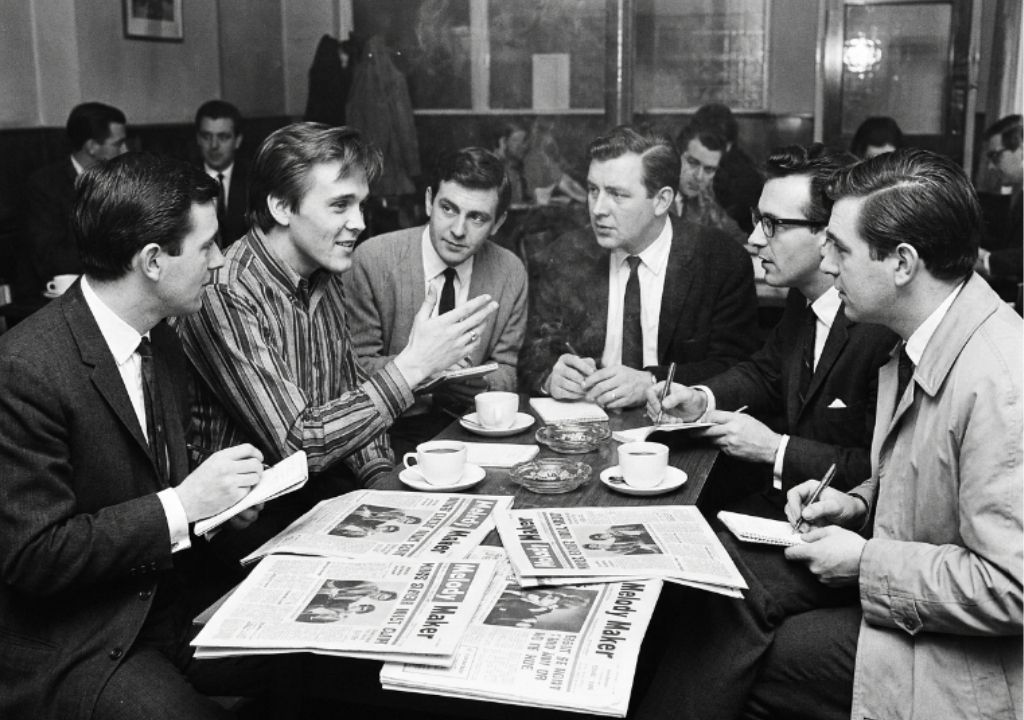
The tension between Billy Fury and the editorial board of Melody Maker highlighted a pivotal ideological divide in postwar British culture. Throughout 1960, the publication frequently targeted Fury’s provocative concerts, framing his uninhibited hip movements and raw emotional delivery as dramatic breaches of public decorum. However, Fury countered not with hostility, but with undeniable musical excellence and creative autonomy.
In May 1960, he released The Sound of Fury, a landmark ten-inch album composed almost entirely of his original songs under the pseudonym Wilbur Wilberforce. Recorded at Decca Studios in London alongside legendary guitarist Joe Brown, the record showcased a masterclass in authentic rockabilly and blues-infused vocals that caught the entire establishment off guard. Faced with a young musician writing his own groundbreaking material at a time when generic cover versions dominated the market, the critical narrative began to shift dramatically.
The writers at Melody Maker could no longer attribute his popularity strictly to clever management or fleeting teenage hysteria. Fury’s subsequent string of masterpiece ballads, including “Halfway to Paradise” in 1961 and “Jealousy” in 1961, demonstrated a soaring vocal range and deep emotional nuance that demanded professional acclaim. Over the course of the decade, Fury went on to secure 29 charting singles, matching the historic record set by The Beatles for total UK chart entries during the 1960s.
By mid-decade, Melody Maker officially recognized Fury as a foundational architect of British rock culture. Reviewers who had once labeled his stage act vulgar began openly praising his charismatic authenticity and studio craftsmanship. This profound artistic triumph permanently redefined the relationship between modern musicians and the press, forcing music journalists to abandon rigid conservative standards in favor of recognizing genuine rock ‘n’ roll artistry.
In hindsight, the initial feud between the singer and the press served as a crucible for early British pop music. By staying true to his artistry, Fury proved that lasting musical legacies are built on authenticity rather than critical consensus.