INTRODUCTION
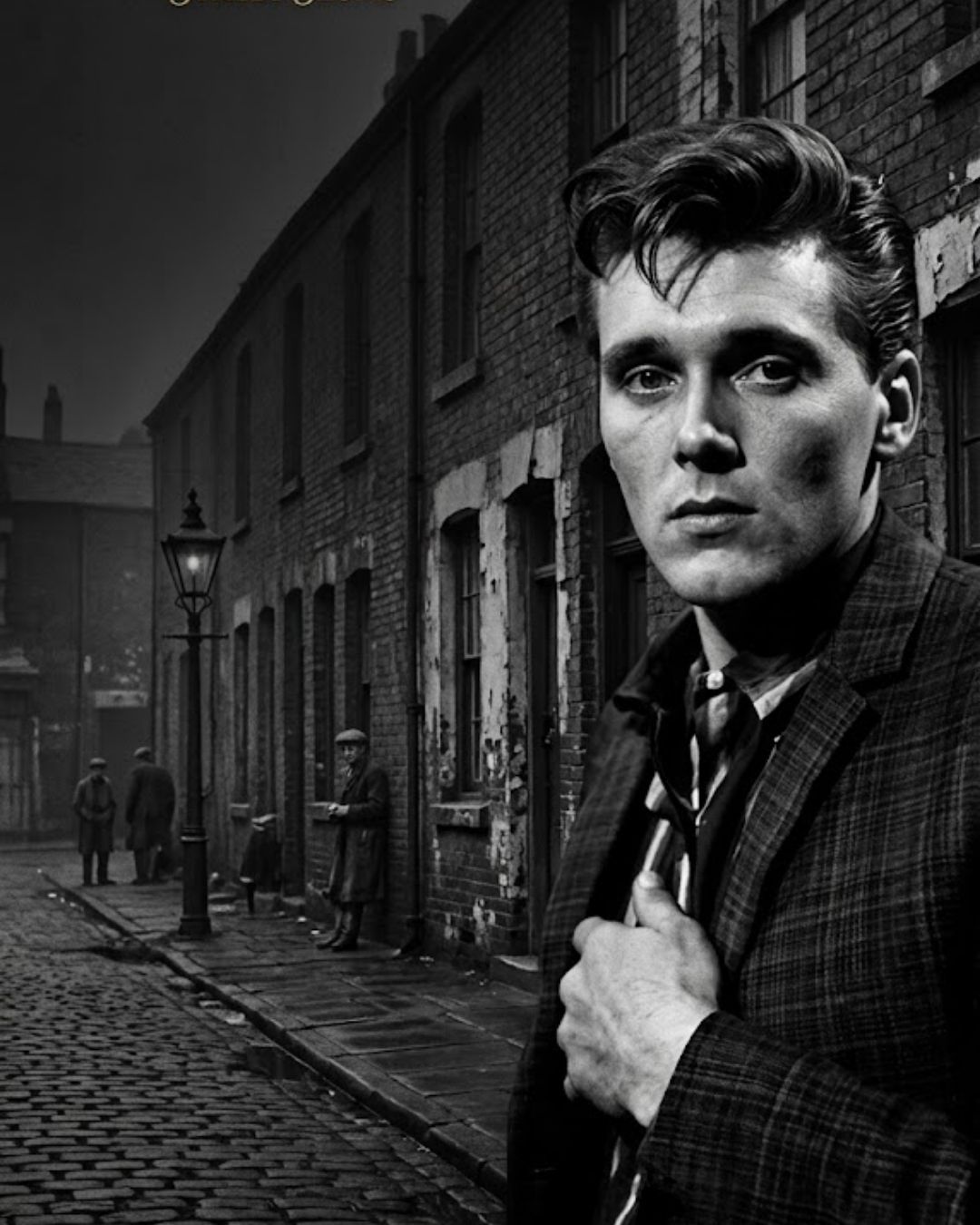
In the damp, post-war gloom of Liverpool’s Dingle district, Haliburton Street was a tight grid of cobblestones, coal smoke, and austere terraced housing. Long before the Merseybeat explosion conquered global airwaves, a quiet boy named Ronald Wycherley navigated this harsh industrial landscape under the weight of severe poverty. At just six years old in 1946, a debilitating bout of rheumatic fever left him with permanent cardiac damage and recurring hospitalizations, isolating him from the rough-and-tumble street games of his peers. While confinement could have broken his spirit, it instead nurtured an intense interior world channeled into songwriting and acoustic guitar. When he later stepped onto the stage as Billy Fury, the haunting vulnerability in his eyes immediately arrested an entire generation. What transformed this frail dockland survivor into Britain’s most authentic rock icon?
THE DETAILED STORY
Before fame intervened, Ronald Wycherley worked long shifts as a deckhand on the Mersey tugboat The Formby, enduring biting river winds that continually taxed his compromised heart. During solitary evenings inside his family’s modest terraced home, he poured his private anxieties into original compositions on a second-hand acoustic guitar. The turning point arrived on 10/01/1958 at the Essoldo Theatre in Birkenhead. Arriving backstage solely hoping to sell his songs to London impresario Larry Parnes and pop singer Marty Wilde, the timid eighteen-year-old was instead pushed directly onto the stage to perform his own material. Mesmerized by his raw, vulnerable delivery, Parnes signed him that very evening and rechristened him Billy Fury.
Unlike many early British rockers who merely mimicked American rockabilly swagger, Fury introduced an unprecedented psychological depth to the genre. His landmark 1960 debut LP, The Sound of Fury, recorded at Decca Studios, became a historic triumph: Britain’s first cohesive rock-and-roll album composed almost entirely of original songs written by the artist. Over the subsequent decade, he amassed 24 UK Top 40 singles, rivaling the chart consistency of the era’s biggest icons. Hit ballads like “Halfway to Paradise,” “Colette,” and “Jealousy” resonated powerfully across generations because his velvet vocal phrasing carried an undeniable undercurrent of genuine heartbreak and fragile beauty.
The haunting sadness reflected in Fury’s eyes was never a theatrical contrivance designed by 1960s publicists; it was the indelible signature of Haliburton Street and the physical vulnerability he lived with daily. Aware that his damaged heart could fail at any moment, he delivered each live performance with an exquisite, restrained dignity that rejected hollow showmanship. Although severe health complications tragically cut his life short in 1983 at age forty-two, his artistic influence on British music remained monumental. By transforming childhood hardship and chronic illness into timeless musical poetry, Billy Fury proved that true rock royalty begins with raw, unadorned vulnerability.