INTRODUCTION
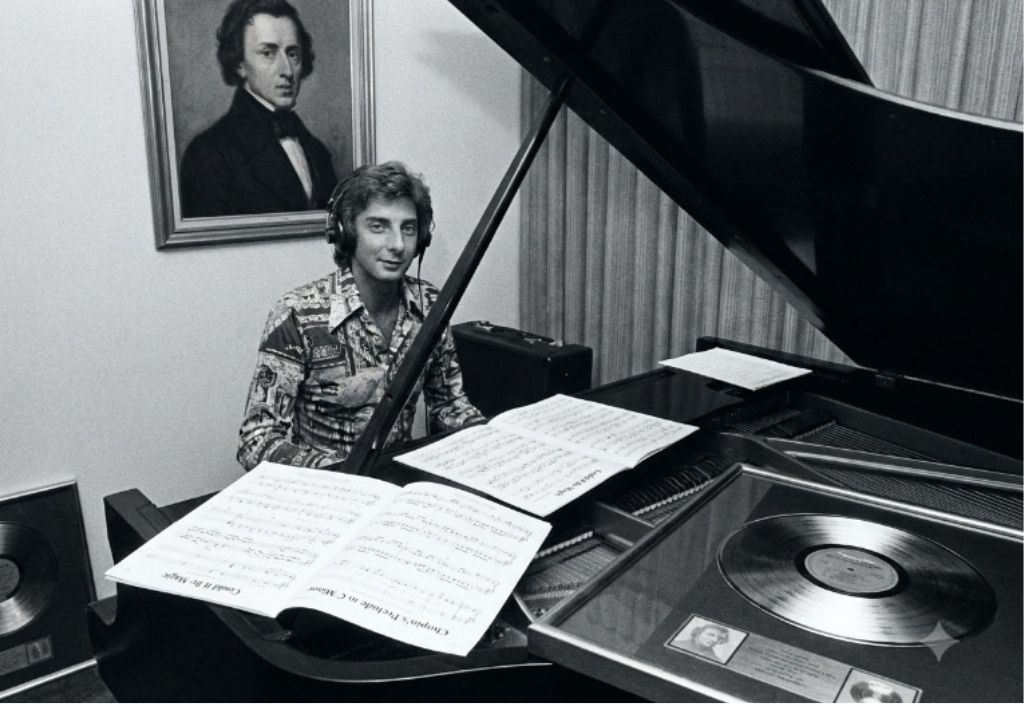
In 1973, a young commercial jingle writer sat at a piano, merging classical genius with modern pop ambitions. Barry Manilow took chords written over a century earlier and poured his soul into a track that almost never saw the light of day. How did a nineteenth-century piano piece become the dramatic foundation for one of the most passionate ballads in music history?
THE DETAILED STORY
Long before he became an international superstar, Barry Manilow was working as an arranger and pianist in New York City. While practicing classical compositions, he found himself captivated by the haunting chord progressions of Chopin’s Prelude in C Minor. Inspired by the solemn beauty of the nineteenth-century piece, Manilow began reworking the classical structure into a contemporary pop framework. He collaborated with lyricist Adrienne Anderson, who crafted words that mirrored the intense longing and spiritual yearning embedded within the music. The result was Could It Be Magic, a grandiose composition that boldly defied the conventional three-minute radio formulas of the era.
Initially released in 1973 on his self-titled debut album, the track was nearly overlooked by mainstream radio programmers who deemed its dramatic build and classical preamble too complex for commercial airwaves. However, after Manilow achieved massive success with his chart-topping hit Mandy, Arista Records recognized the hidden potential of his earlier masterwork. The record label remixed and shortened the track, re-issuing it as a commercial single in May 1975. Driven by sweeping orchestral arrangements, soaring vocal hooks, and Manilow’s impassioned piano delivery, the song rapidly gained traction across national playlists.
The single steadily climbed the music charts, eventually peaking when it reached number six on the Billboard Hot 100 in the summer of 1975. Music critics praised the track for its seamless fusion of classical romanticism and modern pop sensibility, cementing Manilow’s reputation as a visionary composer. The song’s dramatic dynamics—starting with a quiet, introspective piano intro based directly on Frédéric Chopin before swelling into a triumphant orchestral climax—created a template for symphonic pop ballads. Its timeless appeal inspired notable cover versions over the decades, including disco interpretations by Donna Summer and pop revivals by Take That.
Decades after its original studio recording, Could It Be Magic remains an enduring crown jewel in Manilow’s legendary catalog. It stands as a powerful testament to the triumph of artistic ambition, proving that grand classical traditions could conquer commercial radio waves. Through its dramatic arrangements, rich harmony, and unabashed emotional vulnerability, the song continues to evoke deep nostalgia across generations of listeners, forever proving that true musical magic transcends both time and genre.