INTRODUCTION
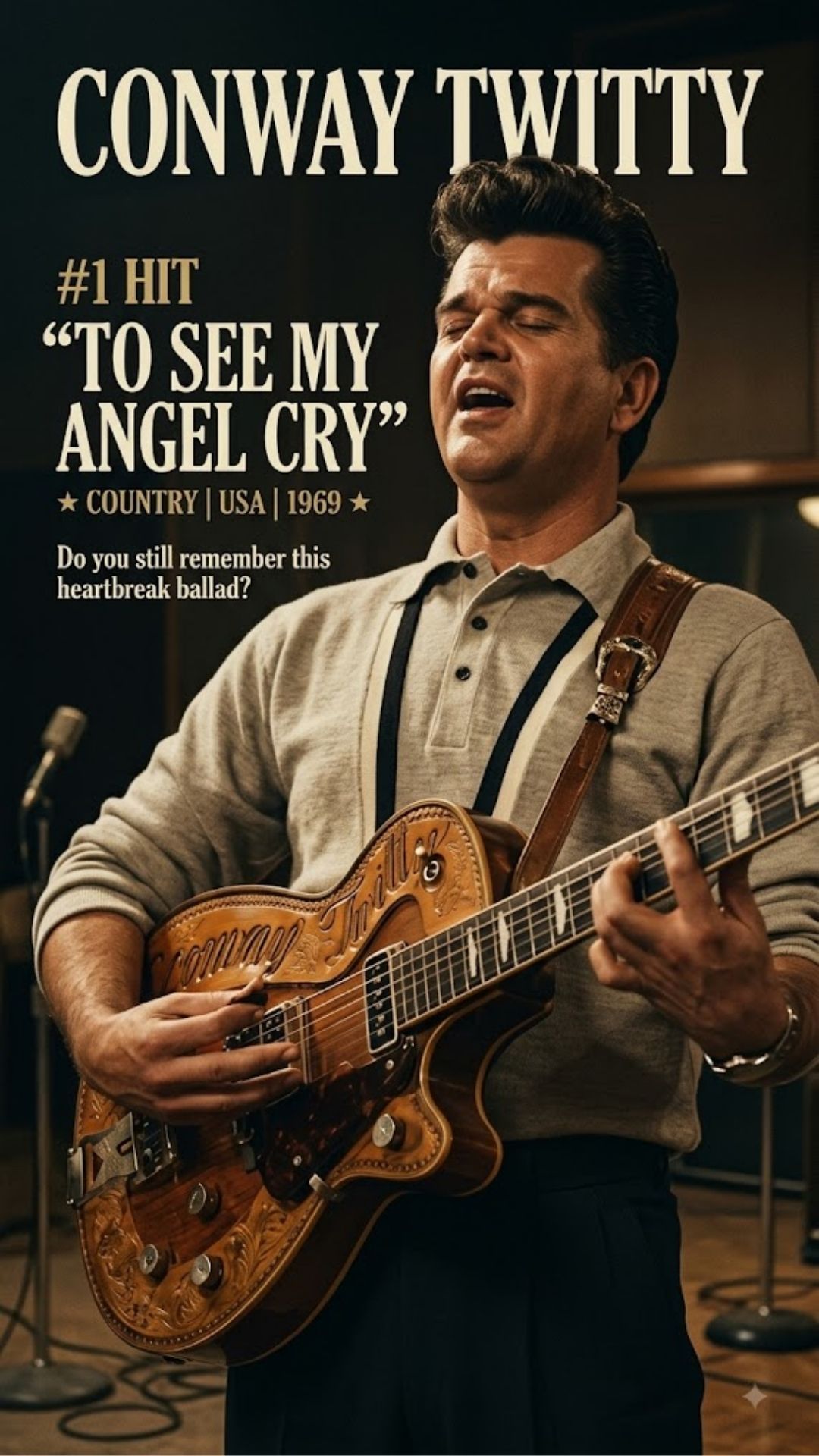
On June 24, 1969, legendary producer Owen Bradley gathered Nashville’s finest session musicians inside Bradley’s Barn in Mount Juliet, Tennessee. Stepping up to the microphone, Conway Twitty prepared to cut a sorrowful song that would define adult heartbreak for a generation. What emotional spark turned this quiet recording session into one of the most defining vocal performances of his entire career?
THE DETAILED STORY
By the late 1960s, Conway Twitty had successfully left his early rockabilly days behind to establish himself as a serious storytelling force in traditional country music. Collaborating with seasoned songwriters L.E. White and Carlton Haney, Twitty co-wrote the poignant track with a deliberate, mature perspective on romantic grief. Instead of exploring typical jealousy or anger, the lyrics examined the helplessness of a bystander watching the woman he silently adores suffer over an unfaithful lover. The writing captured a poignant emotional dilemma that resonated deeply with working-class listeners who understood unexpressed devotion.
When production commenced under the guidance of Owen Bradley, the arrangement was crafted to maximize dramatic tension. Renowned steel guitarist John Hughey provided his signature crying steel notes, establishing an atmosphere saturated with lingering melancholy. The delicate acoustic rhythm from Ray Edenton and gentle piano lines played by Larry Butler framed Twitty’s deep, resonant baritone. Backing harmonies by The Jordanaires added a rich, gospel-tinged warmth that elevated the emotional weight of each verse. Twitty’s vocal delivery shifted effortlessly from a subdued, conversational whisper in the opening lines into a powerful, weeping crescendo that pushed country phrasing into new expressive heights.
Issued by Decca Records as a single released in August 1969, the track quickly commanded radio playlists across North America. Programmers and listeners immediately embraced its raw sincerity and sophisticated musical dynamics. The single rapidly ascended the airplay tallies, ultimately allowing Twitty to secure his third number-one hit on the Billboard Hot Country Songs chart by late autumn. In addition to conquering American airwaves, the track simultaneously reached number one in Canada, cementing his rising international reputation as country music’s premier chronicler of intimate human heartache.
The monumental commercial and critical success of the single paved the way for his acclaimed studio album, proving that Twitty’s artistic transition to pure country music was not a temporary detour, but an enduring creative triumph. By blending raw emotional vulnerability with masterclass Nashville musicianship, the recording established the dramatic signature blueprint that would define his legendary string of hits throughout the 1970s. Decades later, the poignant track stands as an essential historical benchmark in the golden era of classic American country balladry.