Introduction
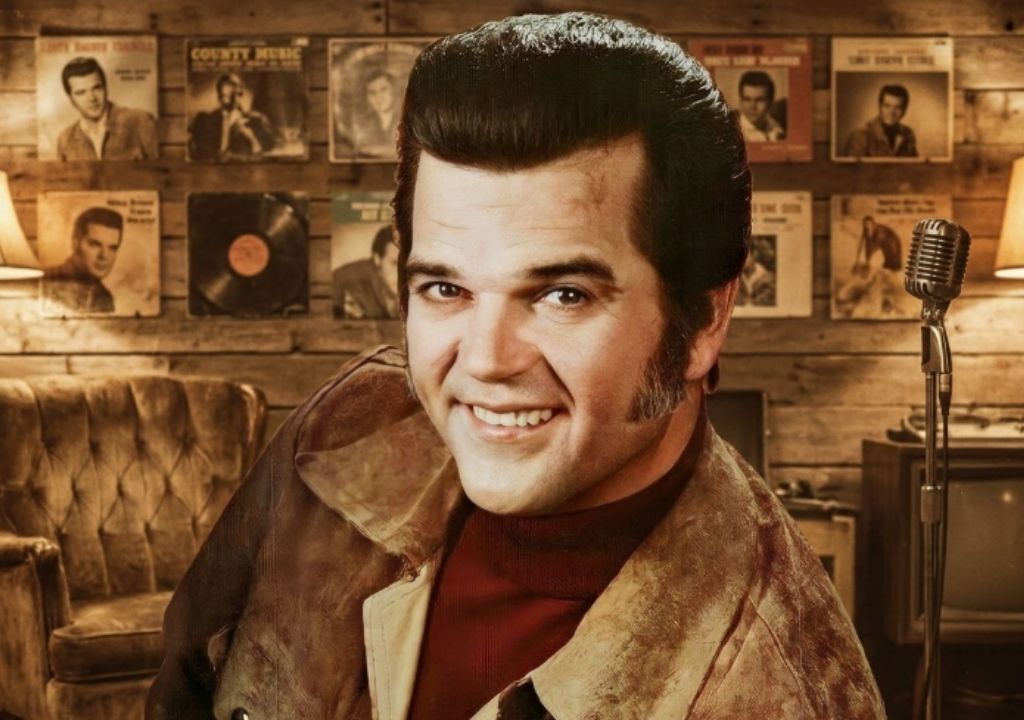
There is an unnamable magic that haunts the golden era of mid-century popular music—a lingering, incandescent warmth that seems to seep straight out of heavy vinyl grooves into the midnight air. Long before digital crispness refined every nuance, music carried a tactile texture, rich with valve-amp hum and the physical presence of artists pouring their spirits into a single microphone. Among the vast catalog of mid-century standards, few melodies carry an aura of romantic intrigue quite like “Mona Lisa.” Immortalized in the popular consciousness by the silky smoothness of Nat King Cole, the song underwent a striking, passionate transformation when Harold Lloyd Jenkins—the man the world came to revere as Conway Twitty—put his signature stamp on it during his electrifying early career.
Before he ascended to his rightful throne as the undisputed “High Priest of Country Music” with an unmatched streak of number-one country hits, Conway Twitty was a formidable titan of rock & roll and rockabilly. Possessing a voice that could glide from a velvety, seductive whisper into a soul-drenched, dramatic growl, Twitty possessed the rare ability to re-engineer timeless classics without losing their original elegance. When he stepped up to record “Mona Lisa,” he did not merely cover a popular standard; he completely re-imagined it through the fiery lens of late-1950s youth culture, infusing the understated ballad with an irresistible rhythmic bounce and raw masculine charisma.
Musically, Twitty’s rendition of “Mona Lisa” is a masterclass in genre synthesis. The arrangement bridges the sophisticated phrasing of traditional pop with the kinetic, pulsing heartbeat of early rockabilly and country pop. Underpinned by a crisp snare shuffle, warm bass lines, and subtle guitar licks, the track creates a vibrant canvas for Twitty’s extraordinary vocal range. Rather than maintaining a distant, polite admiration for the enigmatic lady of the song, Twitty sings with urgent intimacy. His dynamic control shines as he leans into the lyrics, lingering on key phrases to accentuate the tension between adoration and uncertainty. Every syllable is delivered with an aching sincerity that makes the listener feel as though they are sitting right beside him in a dimly lit diner, sharing in his private heartache.
At its core, “Mona Lisa” explores the tantalizing agony of unrequited or mysterious love. The iconic portrait becomes a metaphor for a partner whose true emotions remain frustratingly out of reach—is that famous, enigmatic smile a token of genuine warmth, or merely a cold, beautiful mask meant to conceal a heart of stone? In Conway Twitty’s hands, this philosophical riddle turns deeply personal. His passionate interpretation transforms the song from a passive observation into an active plea for emotional truth, capturing that universal human desire to tear down the walls of someone we love.
Listening to Conway Twitty’s “Mona Lisa” today is like opening a time capsule to an age when pop music was bold, soulful, and deeply human. It stands as a powerful testament to Twitty’s unbelievable versatility as an artist prior to his historic country reign. For lovers of classic vinyl and vintage storytelling, this track remains an unforgettable gem—a vivid reminder that while faces and fashions change, the mysterious language of love remains forever timeless.