INTRODUCTION
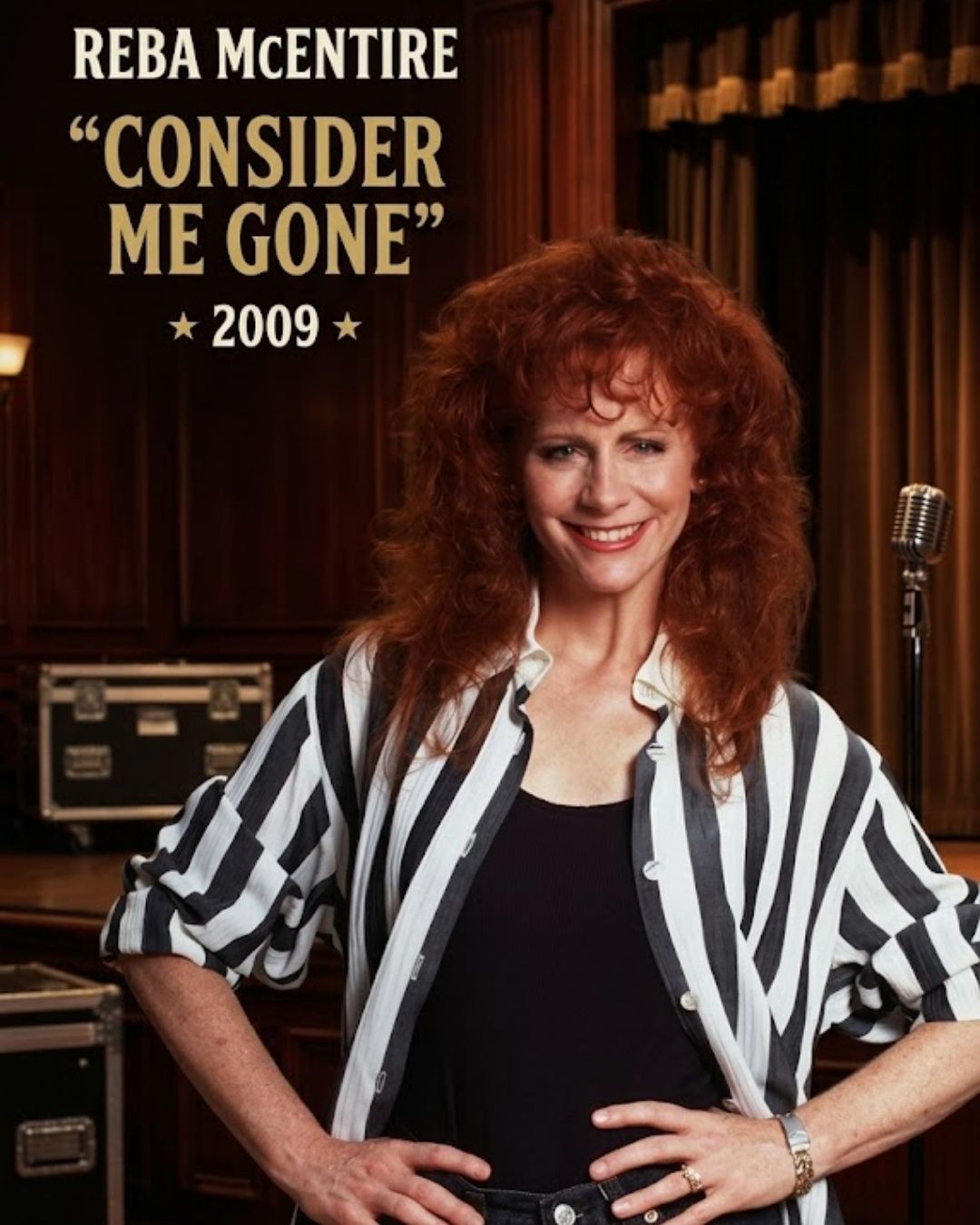
In 2009, Reba McEntire stepped into a Nashville studio facing an industry that routinely sidelined veteran women. Having recently departed MCA after twenty-five historic years, she embraced a new chapter with The Valory Music Co. Instead of chasing aggressive trends, she recorded a cool, calculated portrait of emotional departure. How did this subtle shift spark her career’s longest chart-topping reign?
THE DETAILED STORY
By 2009, country radio was in the throes of a generational changing of the guard. Mainstream airwaves prioritized youthful, crossover-ready sounds, leaving veteran performers, particularly women past fifty, struggling to secure consistent rotation. When Reba McEntire signed with The Valory Music Co. to craft her twenty-eighth studio album, Keep On Loving You, conventional industry wisdom suggested playing it safe. Instead, McEntire made a daring aesthetic choice: she embraced mature restraint over nostalgic theatricality.
Penned by seasoned songwriters Steve Diamond and Brett James, “Consider Me Gone” was not a standard breakup ballad fueled by explosive tears or vindictive fury. It examined a quieter, far more chilling reality: emotional neglect. The narrative centers on a woman witnessing the slow death of intimacy, recognizing that physical presence means nothing when romantic attention has vanished. Rather than begging for validation or escalating into screaming matches, the protagonist delivers a definitive ultimatum rooted in self-possession. The core thesis was unyielding: if a partner checks out mentally, the relationship is already over.
In the studio, co-producer Mark Bright framed McEntire’s vocal with a sleek, driving mid-tempo groove. Propelled by crisp percussion, rhythmic acoustic strumming, and understated electric guitar licks, the arrangement created continuous forward motion. McEntire leaned into conversational phrasing, trading her signature soaring belts for a clipped, icy determination. Every syllable felt deliberated and unapologetic. When she delivered the devastating refrain, declaring that if she was no longer the priority, she was already out the door, her vocal authority commanded absolute attention.
Released as the album’s second single in August 2009, the song resonated deeply across generations of country fans. Listeners embraced its message of practical empowerment, turning the track into an undeniable radio juggernaut that steadily gained momentum through widespread acclaim. By January 2010, “Consider Me Gone” climbed to number one on the Billboard Hot Country Songs chart, where it remained perched for four consecutive weeks.
That historic four-week residency marked the longest solo number-one run of McEntire’s entire legendary career. Achieving such towering commercial dominance at age fifty-four delivered a seismic rebuttal to Nashville’s pervasive ageism, reminding industry executives that genuine artistic connection always transcends demographics. Ultimately, “Consider Me Gone” proved that authentic storytelling, emotional intelligence, and unwavering self-respect could still conquer modern music without compromise.