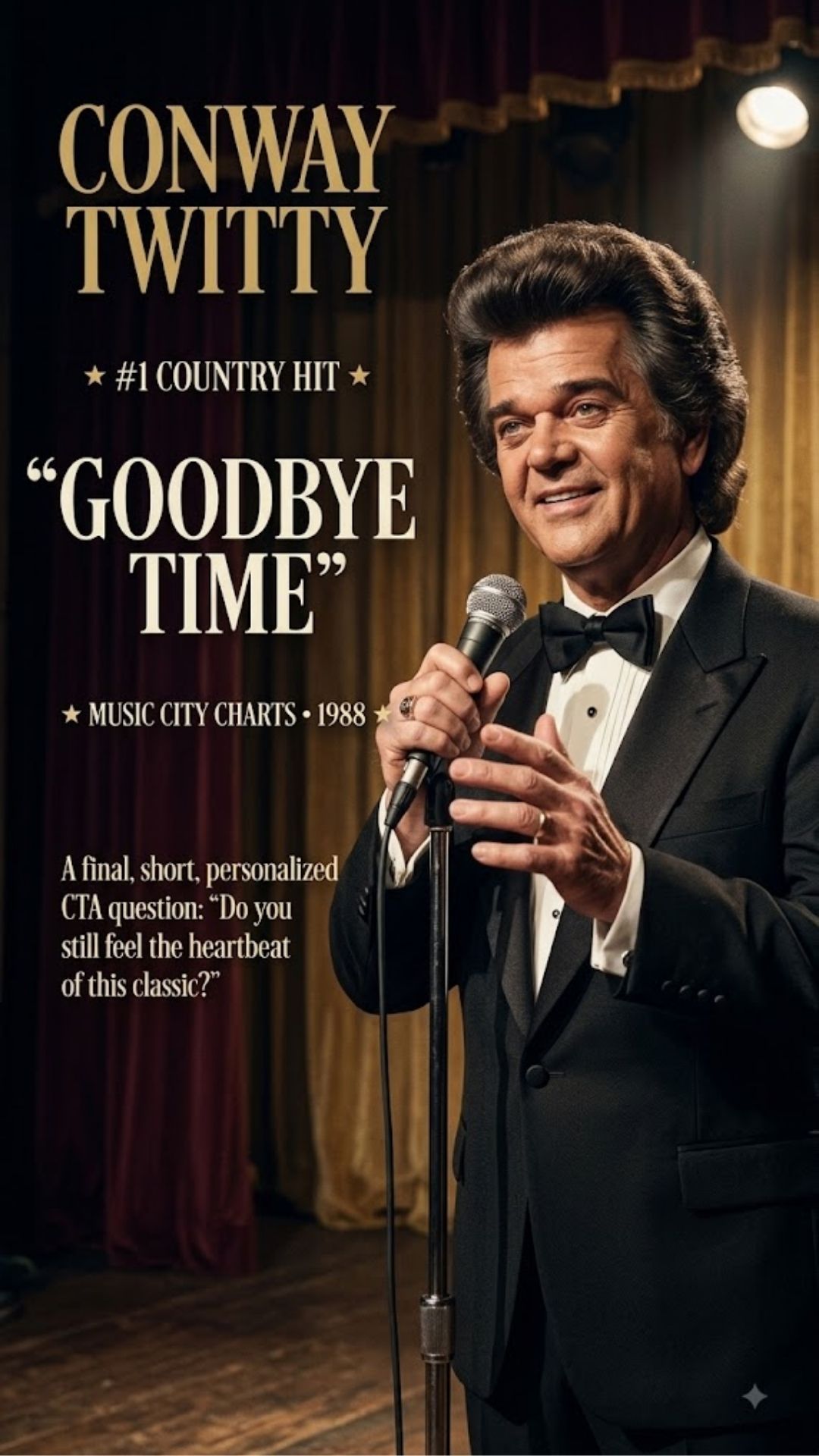
Do you remember the quiet ache of hearing this ballad on late-night radio? When Conway Twitty released this masterpiece in April 1988, he transformed the devastating pain of letting go into pure vocal magic. What makes this heartbreaking farewell resonate so deeply across generations of devoted country listeners?
INTRODUCTION
When songwriters James Dean Hicks and Roger Murrah finished their melancholy ballad, they knew only one voice could carry its immense emotional weight. Entering the studio in early 1988, Conway Twitty channeled decades of romantic artistry into a single, breathtaking vocal performance. How did an understated country ballad about surrender become one of the most revered vocal milestones of his legendary four-decade career?
THE DETAILED STORY
By the late 1980s, commercial country music was rapidly pivoting toward a slick, contemporary sound. While many traditional artists struggled to adapt, Conway Twitty remained an untouchable institution of narrative authenticity. When he discovered Goodbye Time, written by the formidable songwriting duo of Roger Murrah and James Dean Hicks, Twitty recognized a rare lyrical maturity that perfectly matched his evolving artistic vision. Rather than treating romantic separation with bitterness, anger, or fiery defiance, the song explored the quiet, agonizing dignity of accepting that love had slipped away.
Co-produced alongside longtime collaborator Dee Henry, the studio recording featured an absolute masterclass in atmospheric arrangement. Crisp synthesizers, sweeping electric piano chords, subtle acoustic strums, and weeping steel guitar textures framed Twitty’s world-weary baritone. What truly defined the track, however, was Twitty’s astonishing vocal elasticity and raw passion. Moving seamlessly from hushed, conversational verses into soaring, operatic high notes in the chorus, he poured decades of lived experience into every lyric. He pushed his upper vocal register with an intensity rarely heard in his earlier records, demonstrating an astonishing technical control that stunned seasoned Nashville session veterans.
Lyrically, the narrative deliberately avoids easy blame or vindictive melodrama. The narrator confronts the painful reality that his partner’s heart has already departed, choosing compassionate release and selfless grace over futile resistance. This nuanced emotional perspective resonated deeply with adult listeners navigating complex relationship crossroads in their own lives. Released as the second single from his acclaimed Still in Your Dreams album, the record quickly struck a powerful chord across national radio airwaves.
In July 1988, the song officially climbed to No. 7 on the Billboard Hot Country Songs chart, marking another major milestone in his historic recording catalog. Beyond its commercial triumph, the recording reaffirmed Twitty’s peerless reputation as country music’s ultimate interpreter of mature heartbreak. Its enduring cultural impact was highlighted years later when contemporary superstar Blake Shelton recorded a faithful tribute cover, further proving the composition’s timeless structural brilliance and emotional longevity.
Decades after its initial release, the recording stands as a monumental testament to emotional courage, vulnerability, and vocal excellence. Conway Twitty did not merely recite tragic lyrics; he took a vulnerable confession of loss and elevated it into an unforgettable work of sonic art. Through unmatched dynamic phrasing, delicate restraint, and sheer emotional gravitas, Goodbye Time remains an immortal jewel in the crown of classic American storytelling.