Introduction
In the golden era of country music, storytelling wasn’t just a songwriting technique—it was a cherished art form. It was a time when a four-minute track could encapsulate an entire lifetime of yearning, heartbreak, and the cruel twists of fate that define the human experience. Among the master craftsmen of this narrative style stood Conway Twitty, the “High Priest of Country Music.” Known for his velvety baritone, dramatic pauses, and unmatched ability to tap into the rawest nerves of romantic longing, Twitty possessed a unique gift for turning simple melodies into unforgettable cinematic experiences. In 1975, he released a song that would become a monumental showcase of this emotional storytelling: the poignant, bittersweet classic, “Don’t Cry Joni.”
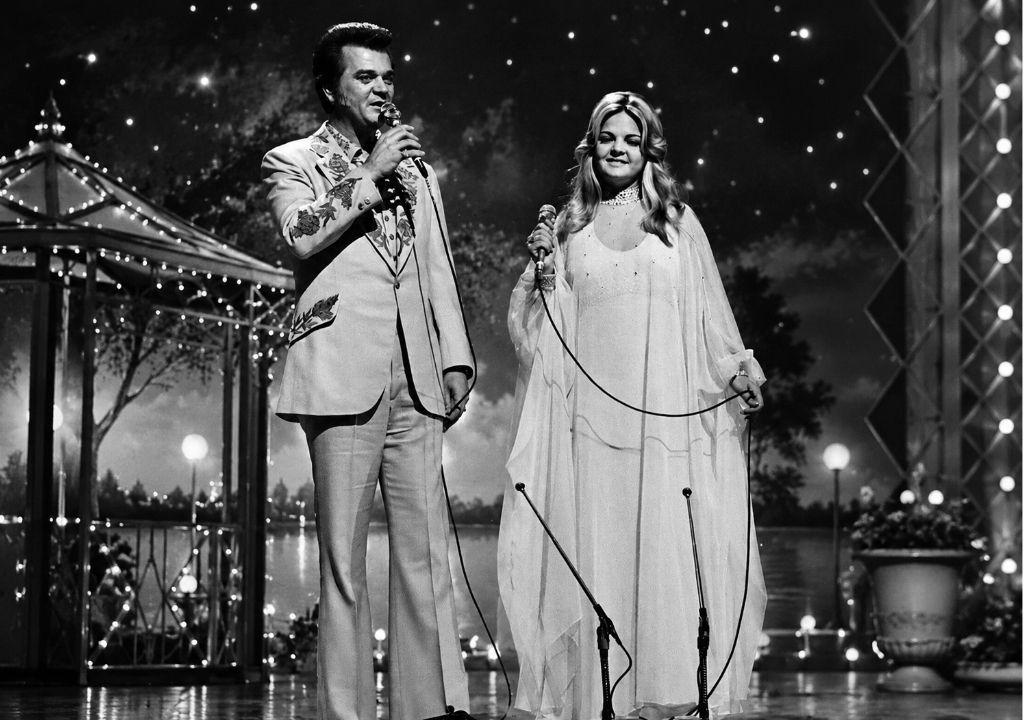
What makes “Don’t Cry Joni” so incredibly special and enduring is not just its heartbreaking lyrical arc, but the real-life warmth embedded within its creation. Conway Twitty wrote the song himself and, in a stroke of absolute genius, invited his then sixteen-year-old daughter, Joni Lee, to sing the female lead. This choice lent an undeniable, pure innocence to the track. Joni’s sweet, untouched vocals perfectly captured the vulnerable heart of a fifteen-year-old girl hopelessly in love with the older boy next door, Jimmy. The contrast between her youthful, tender delivery and Conway’s deep, seasoned baritone immediately establishes a stark emotional divide, reflecting the age gap that ultimately keeps the two characters apart.
The song unfolds like a classic tragic melodrama. Little Joni begs Jimmy, who is twenty-two, to wait for her to grow up so they can marry. Jimmy, trying to be practical and responsible, tells her she is too young and leaves town to seek his fortune. The heartbreaking chorus, where Jimmy tells her “Don’t cry, Joni, gentle Joni, you’ll find somebody else to love,” echoes with a gentle but firm finality. Yet, the brilliance of the narrative lies in the cruel irony of the final verses. Years pass, and Jimmy realizes that the girl he left behind was the only love he ever truly wanted. He packs his bags, writes a letter declaring his return and his intention to marry her, only to receive a devastating reply. Joni has moved on, married his best friend John, leaving Jimmy to carry the weight of his regrets forever.
It is this devastating twist that makes “Don’t Cry Joni” resonate decades later. It speaks to a universal truth we all eventually learn: that time waits for no one, and sometimes the greatest regrets of our lives are born from the moments we let slip through our fingers. Recorded during an era when country music favored acoustic warmth, weepingly gorgeous pedal steels, and simple chord progressions that allowed the lyrics to breathe, the song remains a masterclass in emotional restraint and narrative depth. For those of us who carry a deep, abiding love for the classic country sound, “Don’t Cry Joni” is not just a song; it is a vivid, heartbreaking reminder of the fragility of young love and the eternal sting of bad timing.