INTRODUCTION
On a quiet afternoon in New York, composer James Horner carried a cassette tape in his pocket like contraband. Director James Cameron had strictly forbidden any pop songs for his maritime disaster film, yet Horner knew a simple melody could define an entire generation. How did a clandestine demo, captured in a single vocal take, become the definitive love theme in cinematic history?
THE DETAILED STORY
When production on Titanic escalated into an exhausting marathon of ballooning budgets and perilous set pieces, James Cameron maintained one unwavering creative rule: no commercial pop ballads over the closing credits. He envisioned a purely classical, somber score that respected the gravity of the 1912 tragedy. But composer James Horner believed the human romance between Jack and Rose required an emotional anchor. Working in absolute secrecy with lyricist Will Jennings, Horner crafted a soaring melody rooted in traditional Celtic instrumentation and waited for the right moment to find its voice.
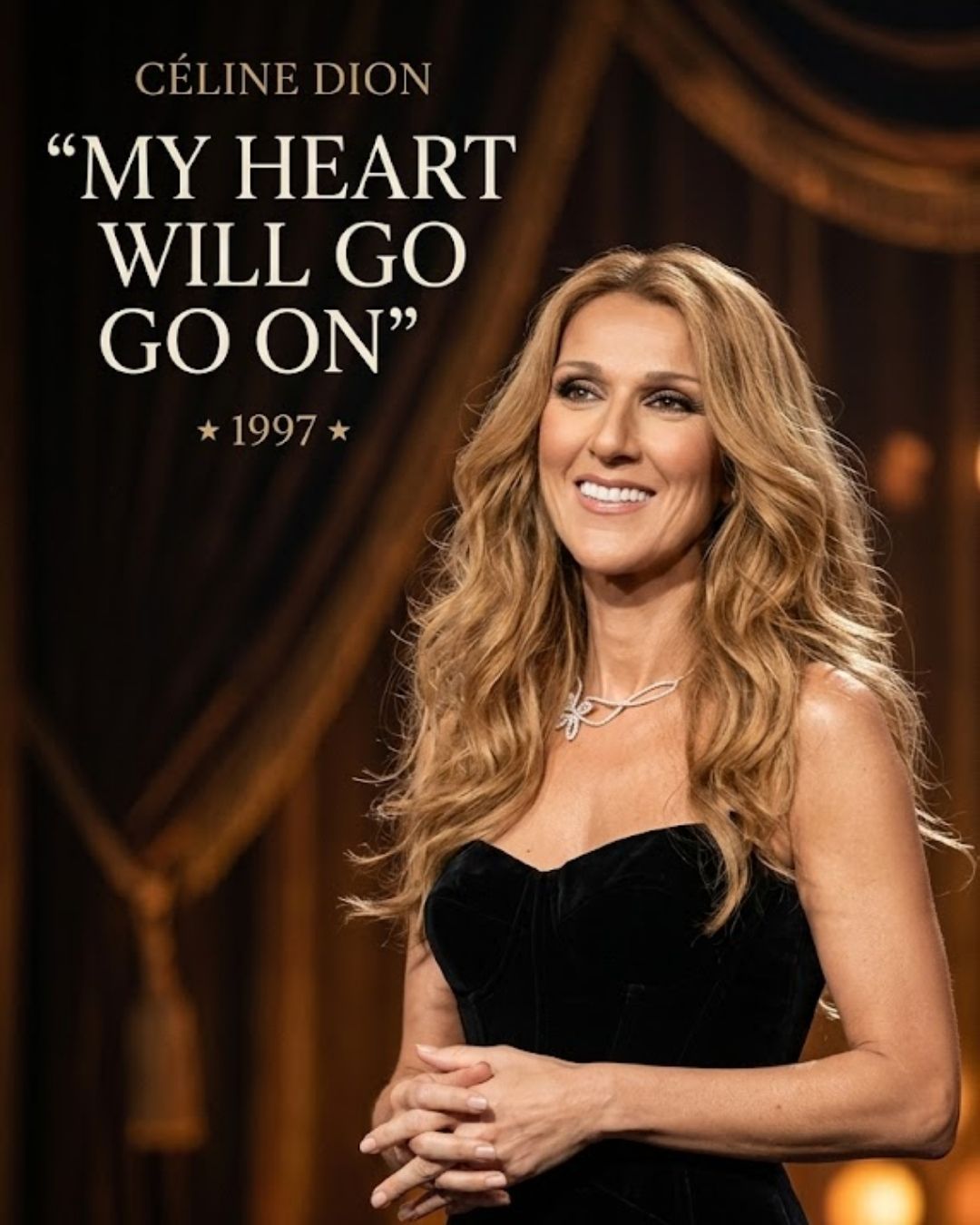
That voice belonged to French-Canadian powerhouse Céline Dion. When Horner first presented the idea in a suite at the Caesars Palace hotel in Las Vegas, Dion was openly reluctant. Having recently recorded major movie themes, she feared repeating herself and initially disliked the unfinished piano sketch. However, her husband and manager, René Angélil, urged her to record a quick demonstration track. In May 1997, at New York’s Sony Music Studios, Dion stepped in front of the microphone. Battling physical fatigue, she delivered a performance of astonishing technical control and vulnerability in a single pass. That raw, unedited demo take became the immortal master vocal heard across the globe.
Producer Walter Afanasieff built the arrangement around Dion’s singular vocal, enhancing Horner’s delicate synth pads, acoustic guitars, and Eric Rigler’s haunting Irish tin whistle before unleashing a dramatic orchestral crescendo. The modulation during the final chorus elevated the track from an intimate whisper to a tempest of grief and defiance, demonstrating Dion’s extraordinary dynamic range and breath management across every register.
Horner carried the tape for weeks before finally playing it for Cameron during an opportune post-production session. Moved by its emotional power, the director relented. Released in late 1997 on both the film’s soundtrack and Dion’s multi-platinum album Let’s Talk About Love, the single debuted at number one on the Billboard Hot 100, fueling over thirty million soundtrack sales worldwide. It won the Academy Award for Best Original Song and swept four Grammy Awards in 1999, including Record of the Year and Song of the Year. Decades later, the anthem remains a monumental cultural milestone that forever defined cinematic romance and timeless vocal mastery.