Do you remember when a single cinematic melody could define the romantic hopes of an entire generation? In 1962, Billy Fury unveiled an orchestral masterpiece that forever elevated teenage pop. Did this sweeping ballad capture the ultimate standard of British romantic elegance, or was it merely lightning in a bottle?
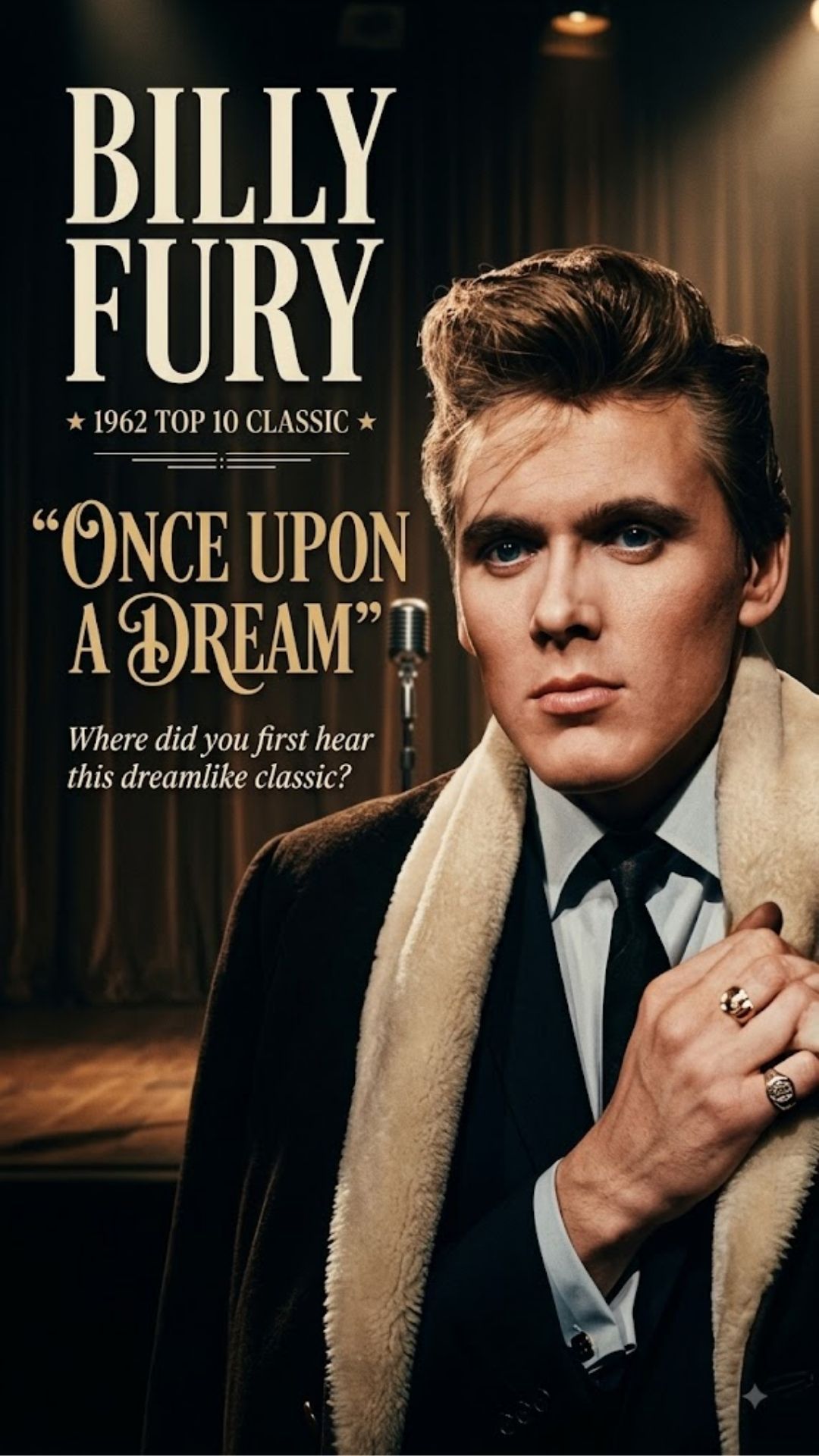
INTRODUCTION
During the summer of 1962, British pop idol Billy Fury stepped across the threshold from rock sensation to full-fledged cinematic star in the musical feature Play It Cool. Amidst the rockabilly dance numbers, one breathtaking ballad silenced movie theaters across the nation. What gave this lavishly arranged love song the power to transcend teen cinema and capture the timeless British romantic imagination?
THE DETAILED STORY
By the summer of 1962, the British pop landscape was experiencing a dynamic transformation, and Billy Fury stood firmly at the very summit of the nation’s musical consciousness. Having already established himself as a brooding pioneer of authentic rockabilly and sensitive teen ballads, the Liverpool-born vocalist sought to expand his creative horizons beyond the conventional boundaries of standard three-minute studio singles. When filmmaker Michael Winner cast him as the charismatic lead in the youth musical feature Play It Cool, Fury seized the pivotal opportunity to bridge the worlds of teenage cinema and dramatic orchestral pop, setting the stage for one of his most sophisticated vocal performances.
Composed by the accomplished songwriting duo of Norrie Paramor and Richard Rowe, the sweeping ballad Once Upon a Dream served as the emotional and narrative cornerstone of the entire movie. Stepping into London’s famous Decca Studios, Fury departed from his usual stripped-back accompaniment to embrace a grand, widescreen symphonic canvas. The studio arrangement wrapped his expressive voice in lush string sections, delicate acoustic guitars, and subtle harp arpeggios, creating a nocturnal soundscape that resonated with timeless elegance.
Yet what truly elevated the recording into an enduring masterpiece was Fury’s profound vocal sincerity and nuanced phrasing. While many contemporary teen idols relied on manufactured melodrama, Fury approached each line with genuine vulnerability and unforced emotional maturity. His velvet baritone glided effortlessly across the melodic contours, balancing quiet, intimate whispers with stirring romantic crescendos. He captured the pure essence of longing, turning a cinematic love theme into a universally relatable confession of hope, solitude, and tender devotion.
Officially released in June 1962, the track struck an immediate chord with the British public, entering radio playlists and rapidly gaining nationwide momentum. The single steadily mounted the charts, peaking at number 7 on the prestigious UK Singles Chart in August 1962 and cementing Fury’s reputation as a versatile vocal artist of the highest caliber. Rather than fading as a mere period artifact of early sixties cinema, the recording solidified his legacy as a vocal titan who transcended teen trends. Today, Once Upon a Dream endures as a luminous testament to a golden musical era, forever preserving the unforgettable warmth and romantic majesty of Billy Fury.