INTRODUCTION
In late 1967, inside London’s recording studios, Ronald Wycherley stood before the microphone without the frantic screams of teenage audiences that defined his early career. Armed with an intricate composition by songwriter Ralph Murphy, he channeled years of health struggles and shifting pop landscapes into tape. What drove Britain’s most charismatic rock pioneer to record such a dramatic departure from his signature sound?
THE DETAILED STORY
By the time Billy Fury signed with EMI’s Parlophone label in late 1966, British popular music was undergoing a profound sonic revolution. The Liverpool-born singer—who had famously rivaled Elvis Presley in magnetic stage charisma and matched the chart longevity of Britain’s biggest rock stars with twenty-four top hits—found himself navigating a shifting musical landscape. The raw rockabilly energy and teen-idol balladry of his celebrated early Decca era were giving way to baroque pop experiments and lavish orchestral studio productions. Rather than mimicking passing psychedelic fads, Fury chose to mature gracefully, channeling his iconic voice into grand, emotionally complex arrangements that placed his raw feeling front and center.
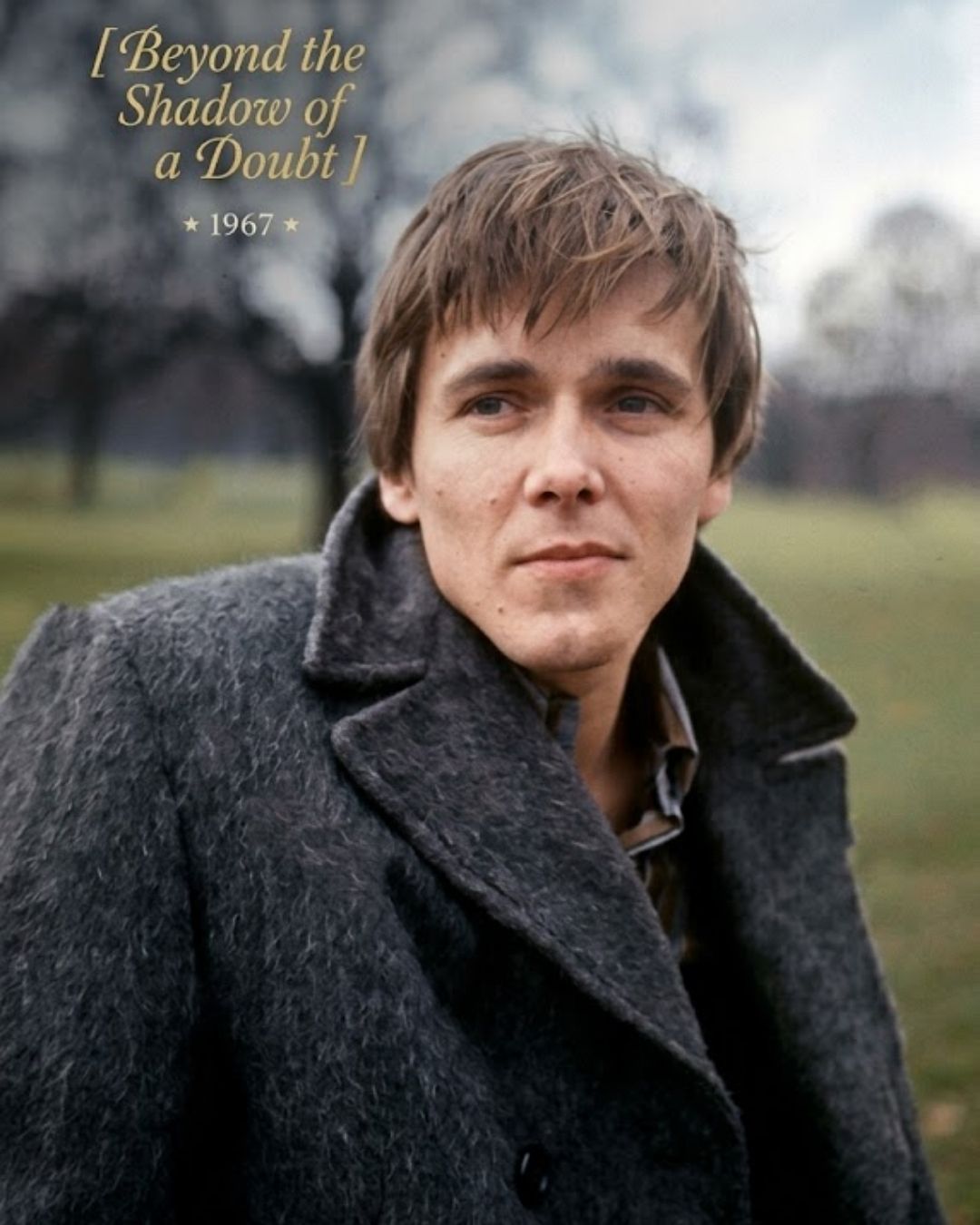
Penned by British-born Canadian songwriter Ralph Murphy, “Beyond the Shadow of a Doubt” provided Fury with the quintessential vehicle for this artistic rebirth. Released as a standalone 7-inch single on Parlophone in early 1968, paired with “Baby Do You Love Me?”, the recording is distinguished by its ambitious cinematic structure. Opening with subdued keyboard phrases and delicate string accompaniment, the composition steadily gathers rhythmic momentum. It gradually breaks into an exhilarating, galloping tempo layered with dramatic horn swells and cascading violins. Murphy’s poetic lyrics explored themes of absolute devotion, romantic insecurity, and emotional redemption, providing a rich narrative framework for Fury’s expressive delivery.
What truly elevates the track is Fury’s extraordinary vocal execution. Having endured severe heart damage from childhood rheumatic fever, Fury always sang with a palpable sense of mortality and genuine vulnerability. On this recording, his voice moves seamlessly from intimate, whisper-soft verses to soaring, impassioned crescendos. Every note conveys the ache of a man desperately seeking certainty in love, creating a captivating tension between the lush majesty of the orchestra and the fragility of the human soul behind the microphone.
While the late-1960s Parlophone catalog did not achieve the dizzying commercial chart peaks of his early youth, tracks like “Beyond the Shadow of a Doubt” capture Billy Fury at the absolute height of his interpretive power. Later rediscovered through vintage BBC radio sessions and career retrospectives, the song endures as a shining beacon of late-sixties British baroque pop and a testament to an artist whose immense talent transcended every passing era.