Introduction
The mid-1960s was a turbulent, fast-shifting landscape for British popular music, yet amidst the roaring tide of the British Invasion and the burgeoning rock revolution, Billy Fury remained an utterly singular presence. Often remembered as the smoldering, leather-clad rocker who could match the raw sensuality of Elvis Presley, Fury possessed a fascinatingly complex duality. Beneath the fierce, electrifying stage persona lay an incredibly gentle, vulnerable soul who frequently sought solace away from the blinding glare of show business. This profound longing for simplicity, nature, and emotional sanctuary found its ultimate, most joyful expression in the 1965 title track of his semi-autobiographical musical comedy film, “I’ve Gotta Horse.”
To truly understand the essence of this track, one must understand the man behind the microphone. Billy Fury was a passionate animal lover, a man who famously felt more comfortable on his farm surrounded by his beloved horses and dogs than at glamorous industry parties. The song “I’ve Gotta Horse” is a whimsical, sun-drenched piece of mid-sixties pop craftsmanship that transforms this deeply personal affection into a universal anthem of innocent joy. From the very first notes, the track establishes an atmosphere of pure, unadulterated optimism, driven by an upbeat, bouncy rhythm and bright orchestration that instantly transports the listener back to a more innocent era of entertainment.
Fury’s performance on this track is spectacular precisely because it feels so completely genuine. His signature vocals—rich, velvety, and naturally expressive—breathe a wonderful sense of warmth and cinematic vitality into the lyrics. Unlike his dramatic, heartbreaking ballads or his gritty early rock-and-roll numbers, this song allows him to showcase a rare, lighthearted side of his artistry. He sings with an audible smile, wrapping his voice around a melody that is as catchy as it is comforting. The arrangement perfectly complements his delivery, utilizing brass accents and a driving tempo that capture the theatrical flair of 1960s cinema while retaining the melodic accessibility of the era’s signature pop music.
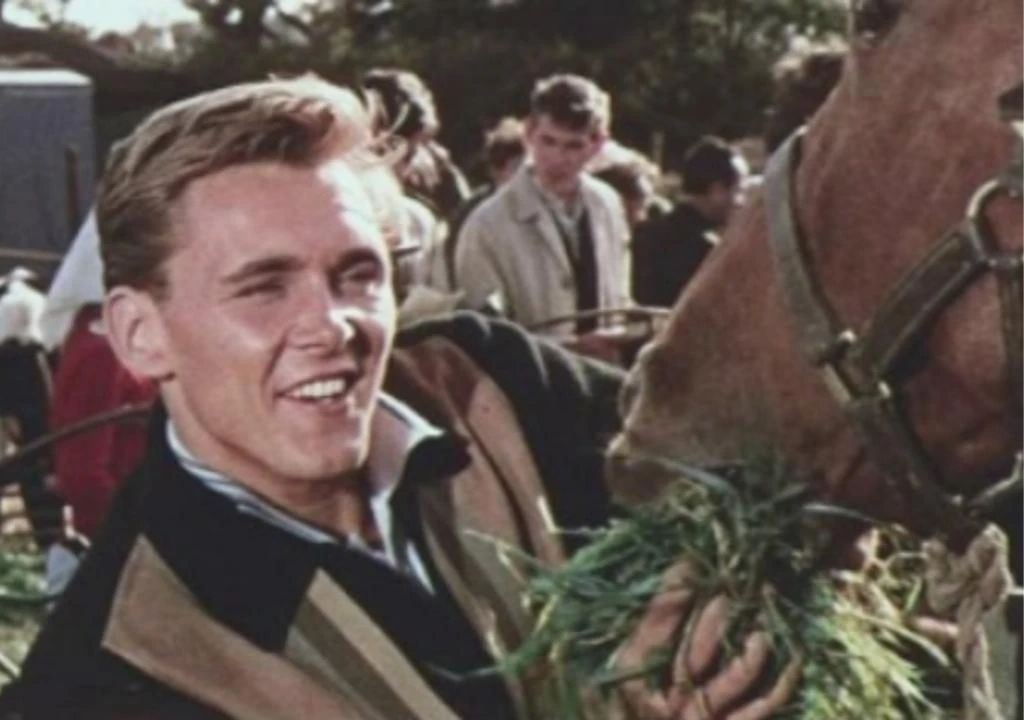
Listening to the song today feels like uncovering a beautifully preserved vintage film reel. It evokes vivid images of rolling green countryside, afternoon sunlight filtering through old trees, and the uncomplicated happiness of finding where you truly belong. For those who lived through the decade, it is a potent dose of nostalgia; for newer generations, it serves as a beautiful window into a time when pop music dared to be unapologetically sweet and wholesome. It stands as a moving testament to Billy Fury’s enduring legacy, proving that his legendary status was built not just on his ability to rock the stage, but on his profound capacity to share his real, unshielded heart with the world.