INTRODUCTION
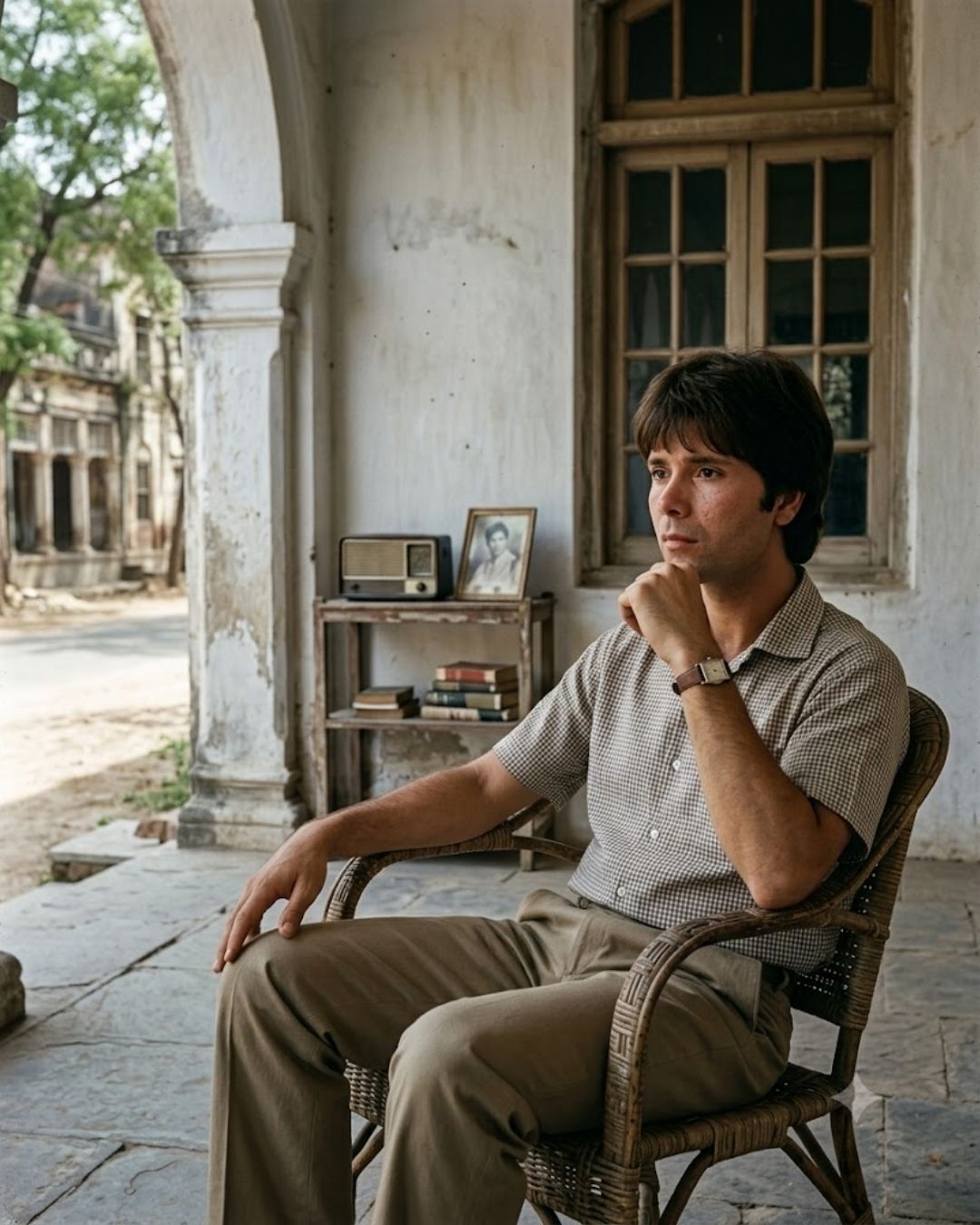
In October 1940, inside the maternity ward of King George’s Hospital in Lucknow, a newborn was registered under the name Harry Rodger Webb. Outside the hospital walls, the twilight of the British Raj unfolded amid sweltering heat, colonial railway outposts, and mounting political unrest. To the world that would later crown him Cliff Richard, this legendary showman was the quintessential British rock pioneer—the sharp-suited teenager who shook mid-century England with raw rockabilly energy. Yet the architect of “Move It” was neither raised in London nor nurtured by the English countryside. Instead, his early childhood was spent navigating the sprawling cantonments of British India, followed by an abrupt, penniless departure aboard an ocean liner across the Mediterranean. How did a boy born into the fading grandeur of colonial Lucknow transform into Britain’s greatest pop phenomenon?
THE DETAILED STORY
Before ascending the pantheon of British pop royalty, Harry Rodger Webb’s formative years were deeply rooted in the complex social fabric of colonial India. Born at King George’s Hospital, his father Rodger Oscar Webb managed catering operations for the Indian Railways, securing the family a comfortable residence in Lucknow’s Maqbara district before later relocating near Calcutta. Webb grew up within a distinct Anglo-Indian lineage—a heritage tracing back generations through his great-grandmother—immersed in a vibrant community of railway compounds, sports clubs, and colonial traditions.
That sheltered existence dissolved rapidly following the historic August 1947 Partition of India. As British rule concluded amid widespread sectarian turbulence, colonial administrative structures collapsed, stripping the Webb household of their long-held livelihood and social security. In 1948, eight-year-old Harry, alongside his parents and sisters, boarded the passenger liner SS Ranchi, enduring a grueling three-week voyage across the Mediterranean to Tilbury Docks in Essex. They stepped ashore into a bleak, post-war Britain possessing little more than five pounds and five suitcases.
The cultural shift to austerity-era Hertfordshire was severe. Stripped of their former colonial lifestyle, the family navigated impoverished living conditions in Carshalton and Waltham Cross. To his English classmates, the young Webb was a noticeable outsider, marked by an unfamiliar colonial upbringing and distinctive mannerisms. Yet this profound dislocation fostered a fierce self-reliance. Instead of succumbing to social marginalization, Webb transformed his outsider perspective into relentless creative ambition.
By 1957, inspired by American skiffle and rock ‘n’ roll, he formed The Drifters. Adopting the dynamic stage moniker Cliff Richard, he recorded “Move It” in 1958—a seminal track celebrated by music critics as Britain’s first genuine rock ‘n’ roll masterpiece. The boy from Lucknow had revolutionized British youth culture. His extraordinary six-decade career was defined not just by vocal charisma, but by the quiet resilience forged during that life-altering migration from India to the global stage.