Introduction
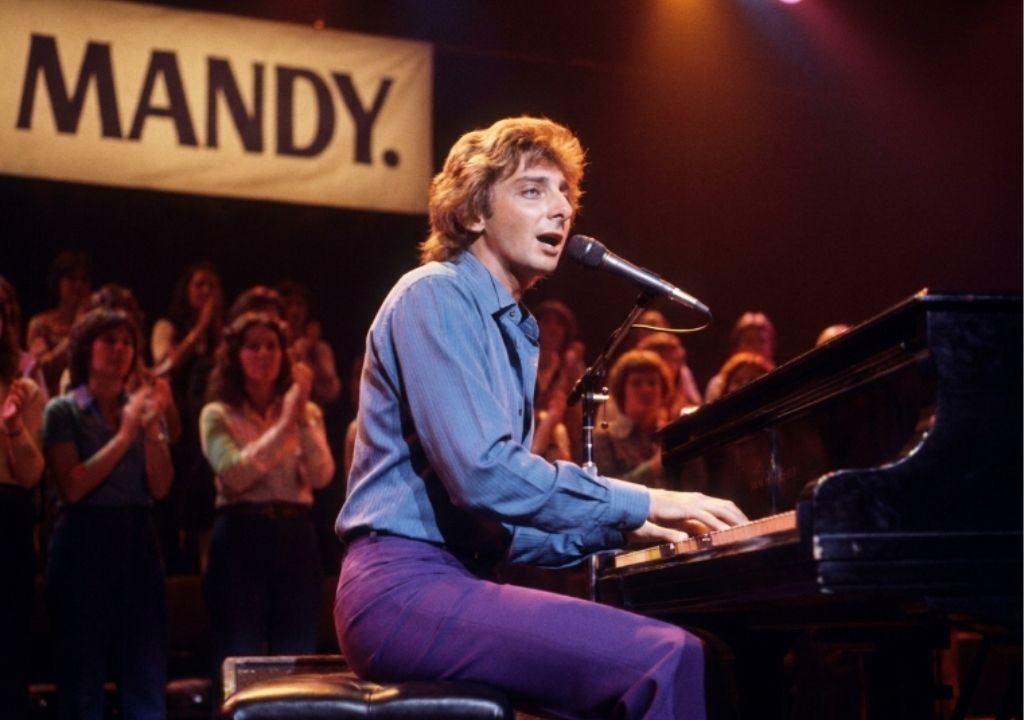
There is a unique emotional resonance found in the mid-1970s pop landscape, a time when vulnerability was not hidden behind studio production but laid bare through grand orchestration and raw vocal delivery. At the absolute pinnacle of this golden era stands Barry Manilow’s 1974 masterpiece, “Mandy.” It is a song that does not merely play; it envelops the listener, instantly conjuring a cinematic landscape of rain-slicked city streets, neon lights blurred by tears, and the heavy, quiet ache of regret. For anyone who has ever looked back at a lost love and realized they let the best thing in their life slip away, “Mandy” serves as the definitive anthem of heartbreak.
Originally written and recorded by Scott English under the title “Brandy” in 1971, the song underwent a profound transformation when it reached Manilow’s hands. At the suggestion of music industry legend Clive Davis, the name was altered to “Mandy” to avoid confusion with another popular track of the time. More importantly, Manilow stripped away the original’s uptempo, indie-pop sensibilities, recognizing that the lyric’s true soul belonged to a melancholic piano ballad. This artistic instinct proved legendary. The track opens with a solitary, gently cascading piano line that establishes an immediate atmosphere of intimacy and solitude. When Manilow’s voice enters—warm, slightly conversational, yet carrying a palpable weight of sorrow—the listener is instantly pulled into his private world of confession.
The genius of “Mandy” lies in its spectacular dynamic arc. Manilow handles the early verses with a delicate restraint, capturing the quiet numbness of a man going through the motions of daily life while haunted by memories. He sings of a ghost that lingers in the room, of a happiness that he foolishly traded for a shallow freedom. As the arrangement progresses, the emotional tension builds masterfully. The introduction of soaring strings, a driving bassline, and sweeping backing vocals mirrors the internal storm of the protagonist. By the time the song reaches its iconic, thunderous key change, the quiet regret has transformed into an agonizing, desperate plea. Manilow’s vocals soar into the stratosphere, filled with an unvarnished passion that few contemporary artists could ever hope to replicate. He isn’t just singing a melody; he is exorcising a profound romantic ghost.
This track did more than just top the charts; it defined the sonic identity of adult contemporary pop and solidified Barry Manilow as a master storyteller of the human condition. Decades after its release, “Mandy” remains entirely untarnished by time. It continues to remind us of the terrifying fragility of love and the permanence of hindsight. To listen to it today is to remember a time when music dared to be unapologetically dramatic, deeply emotional, and beautifully, timelessly grand.