Introduction
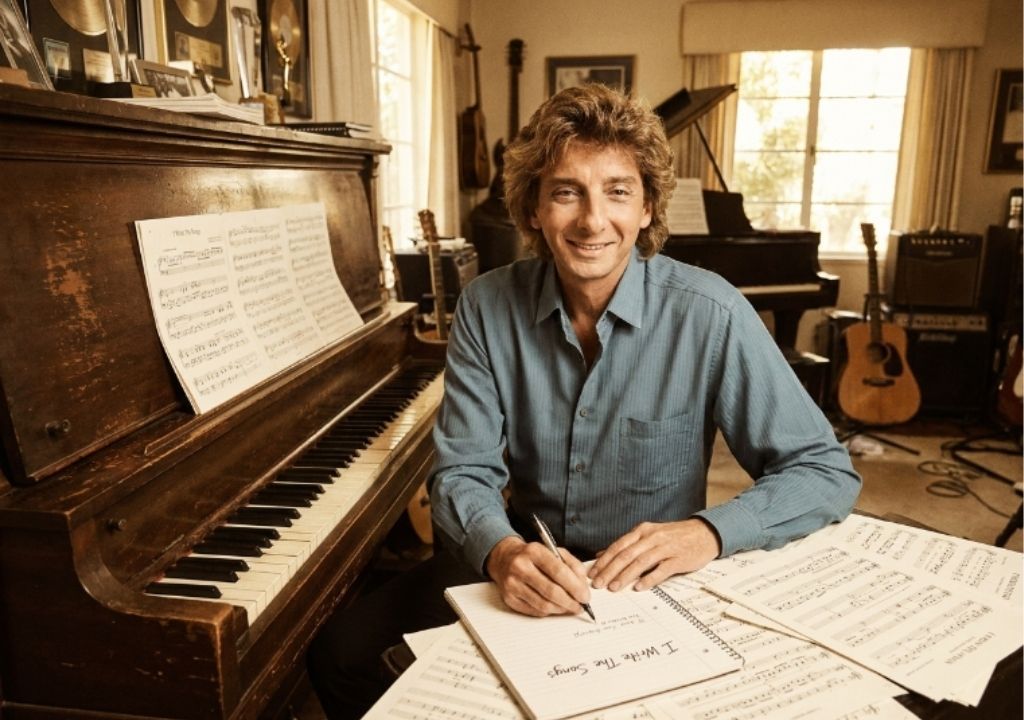
There is a sacred alchemy in the music of the 1970s, a time when songs were treated not as transient digital files, but as enduring monuments of human emotion. It was an era defined by grand arrangements, swelling orchestrations, and vocalists who weren’t afraid to wear their hearts completely on their sleeves. At the absolute center of this golden age stood Barry Manilow, a master craftsman of melody who possessed an uncanny ability to turn a three-minute pop record into a sweeping, cinematic experience. When his definitive recording of “I Write The Songs” topped the charts in early 1976, it didn’t just become a massive commercial success; it established itself as a timeless anthem celebrating the very spirit of creativity that binds humanity together.
One of the most beautiful and enduring ironies in popular music history is that Barry Manilow, a brilliant composer in his own right, did not actually write “I Write The Songs.” The masterpiece was penned by Bruce Johnston of The Beach Boys. Initially, Manilow was highly hesitant to record the track, fearing that listeners would misinterpret the title as an act of supreme arrogance—a literal boast that he was the author of all music. However, upon deeper reflection, the true genius of the lyric revealed itself. The “I” in the song is not a human being; it is music itself. It is the abstract, divine force that has existed since the dawn of time, putting “the words and the melodies together” to heal, inspire, and comfort a fractured world. Once Manilow understood this perspective, he approached the studio not as a braggart, but as a humble vessel for a cosmic truth.
Manilow’s arrangement of the song is nothing short of a masterclass in dramatic pop architecture. It begins with a delicate, intimate piano introduction that feels like a quiet conversation in a dimly lit room. As his smooth, instantly recognizable voice enters, the narrative steadily builds, layer by layer. Subtle woodwinds give way to a soaring wave of lush strings, eventually culminating in a magnificent explosion of brass and backing gospel choirs. The track utilizes the classic Manilow trademark—the masterfully executed key change—which lifts the listener higher and higher until the emotional resonance is almost overwhelming. It is theatrical, unashamedly romantic, and deeply nostalgic, capturing a specific period when popular music aimed squarely for the stars.
To listen to this song today is to take a poignant journey backward through time. It serves as a vivid reminder of the sheer power of melody to evoke memories we thought we had forgotten. When Manilow sings about music being there for “a young girl’s love” or helping a lonely soul through the night, he is mapping out the soundtrack of our collective lives. For decades, this recording has provided a sanctuary for those who appreciate the meticulous craftsmanship of traditional pop. It is a song that breathes with warmth, reminding us that while artists may come and go, the music itself remains eternal, forever writing the songs that make the whole world sing.