INTRODUCTION
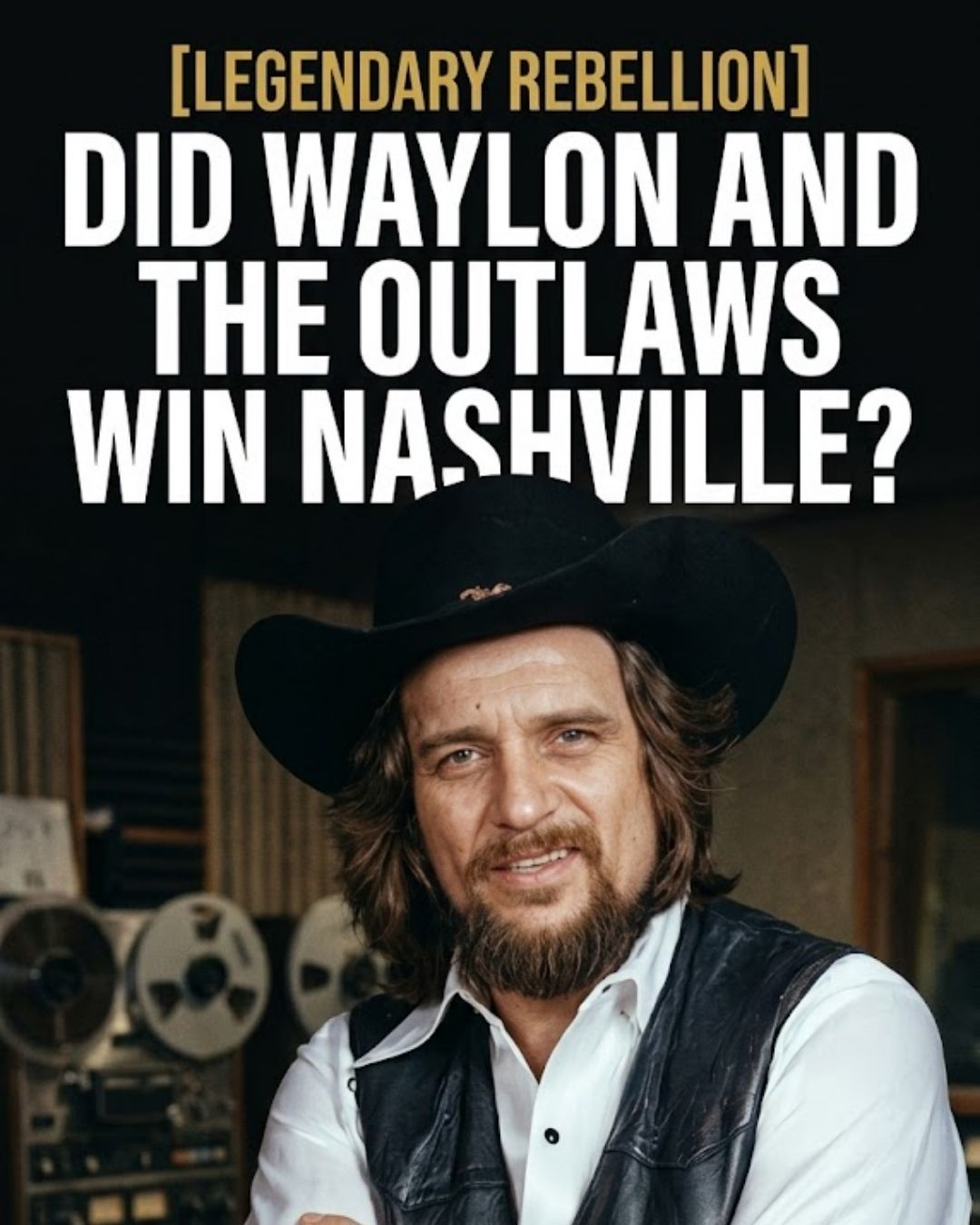
In the early 1970s, Music Row in Nashville operated like an assembly line. Studio executives selected the session musicians, dictated the repertoire, and smothered traditional country grit beneath layers of lush strings and sanitized vocal choruses. Walking into RCA Studio B with a scuffed leather jacket, long hair, and an unyielding gaze, Waylon Jennings looked less like a compliant Southern crooner and more like an impending storm. He refused to let executives scrub the rough edges from his sound or sideline his road-tested rhythm section. Jennings was not merely looking to record another radio single; he was staging a full-scale mutiny against an entrenched commercial establishment that controlled every note in town. How did an artist dismissed by executives as uncooperative end up orchestrating the most lucrative creative triumph in the genre’s history?
THE DETAILED STORY
For over a decade, Nashville’s major record labels held absolute dominion over every stage of audio production. Artists routinely arrived at predetermined studio slots, sang over pre-recorded tracks dictated by in-house producers, and left with polished arrangements engineered strictly for pop-crossover radio. Waylon Jennings found this sanitized environment artistically suffocating. Backed by his powerhouse road band, The Waylors, Jennings sought the raw immediacy, heavy basslines, and driving Telecaster rhythms that defined their electrifying live performances. He wanted record listeners to hear the authentic sweat and grit of the road rather than the polite, string-drenched sheen favored by Music Row executives.
When his RCA contract came up for renewal in 1972, Jennings took a monumental gamble. Aided by manager Neil Reshen, he negotiated a landmark deal that granted him full artistic autonomy—the right to select his own material, choose his recording facilities, and produce his own sessions. He frequently moved operations outside of standard corporate facilities to independent creative sanctuaries like Tompall Glaser’s studio, affectionately dubbed “Hillbilly Central.” Armed with newfound creative liberty, Jennings released seminal albums like Honky Tonk Heroes and Dreaming My Dreams, proving that working-class audiences craved authentic lyrical truth over boardroom polish.
Recognizing this seismic cultural shift, RCA executives compiled an anthology in early 1976 titled Wanted! The Outlaws, packaging tracks from Jennings, Willie Nelson, Jessi Colter, and Tompall Glaser under a distinctive Old West aesthetic. While conservative industry purists predicted that the rugged, unvarnished sound would alienate mainstream country listeners, the public response shattered every record in the book. On November 24, 1976, the Recording Industry Association of America (RIAA) officially certified Wanted! The Outlaws as the first platinum album in country music, crossing one million units sold.
This historic commercial milestone dismantled Music Row’s paternalistic studio model forever. By backing his sonic vision with uncompromising resolve, Jennings not only legitimized the Outlaw movement but also permanently shifted bargaining power directly into the hands of musical creators. He proved that enduring artistic legacy is never manufactured by corporate formula, but forged through authentic conviction.