INTRODUCTION
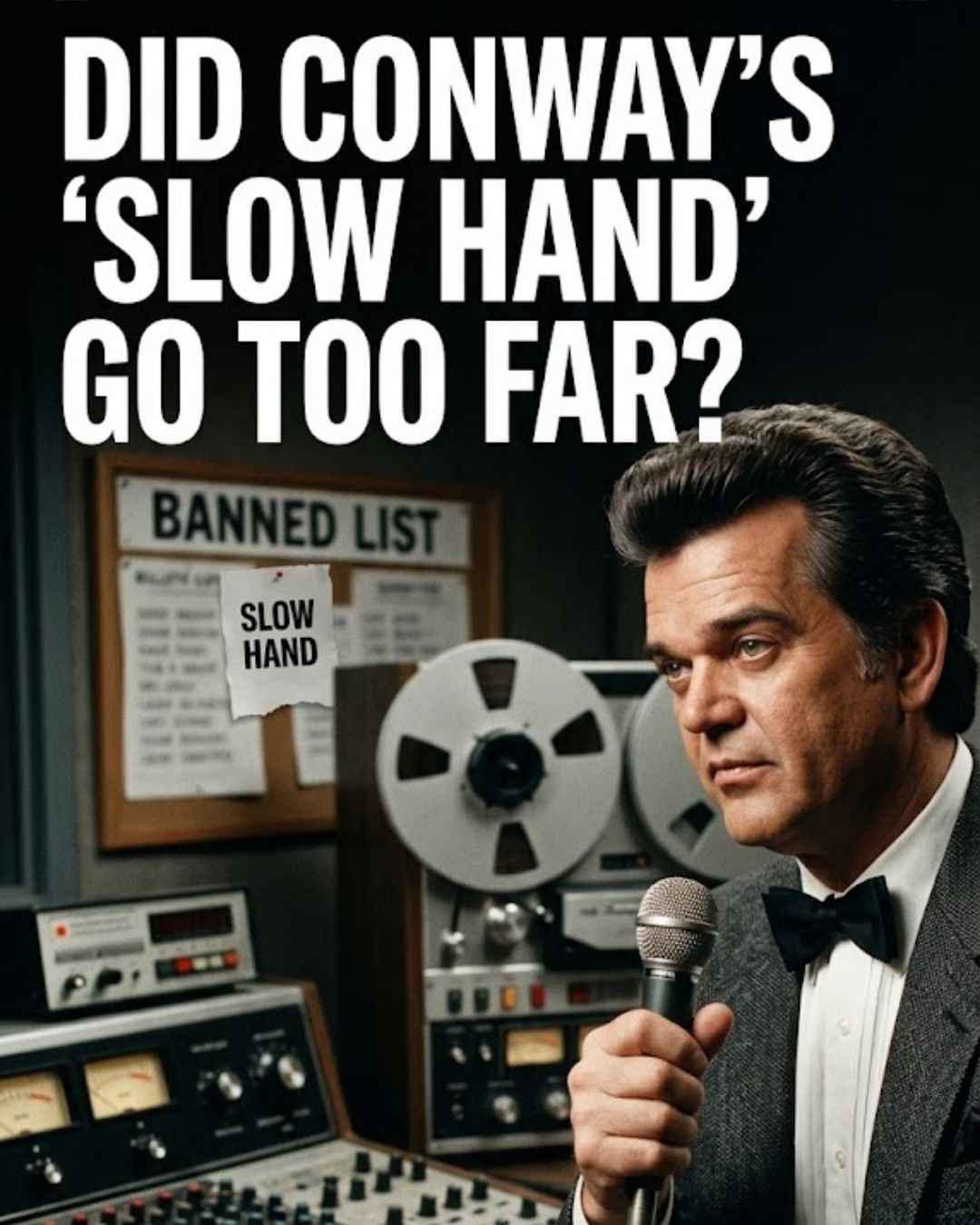
In the spring of 1982, Nashville recording studios buzzed with nervous anticipation as Conway Twitty prepared to release his interpretation of a recent pop sensation. The track, originally a sultry hit for The Pointer Sisters, featured lyrical intimacy so overt that several traditional radio programmers quietly questioned whether conservative listeners would tolerate it. Country radio had long navigated tales of heartbreak and barroom romance, yet direct celebrations of slow, sensual passion remained uncharted territory for veteran male vocalists. Label executives recognized the immense artistic quality of the recording, but the cultural stakes were unusually high for a superstar with dozens of number-one records already secured. How did an established country titan turn an inherently risky ballad into a defining triumph of modern Nashville storytelling?
THE DETAILED STORY
Written by Michael Clark and John Bettis, “Slow Hand” had already achieved multi-format success when The Pointer Sisters took it to the upper reaches of the pop charts in 1981. While many Nashville contemporaries would have avoided reinterpreting a contemporary R&B-pop crossover, Conway Twitty recognized an underlying narrative that fit his established artistic identity. Throughout his storied career, Twitty had distinguished himself not merely as a singer, but as an empathetic communicator of adult emotion, speaking directly to the romantic desires and vulnerabilities of his audience.
Recording the track for his 1982 Elektra album Southern Comfort, Twitty collaborated with co-producer Jimmy Bowen to strip away the glossy synth textures of the original. In their place, they constructed an earthy, mid-tempo country framework defined by melodic basslines, gentle electric guitar fills, and subtle pedal steel textures. What truly altered the dynamic, however, was Twitty’s vocal delivery. Rather than singing with aggressive bravado, he delivered the overtly sensual verses with warmth, measured patience, and deep sincerity, reframing the song’s physical candor as an expression of devotion rather than sheer titillation.
Despite initial reluctance from conservative station managers who questioned whether the subject matter crossed the line of propriety, the record proved impossible to ignore. Listeners flooded radio switchboards across the United States, drawn to the authenticity and maturity of the performance. Programmers quickly realized that Twitty’s delivery elevated the material beyond standard radio formulas, reflecting the evolving tastes of an increasingly sophisticated country audience.
On June 19, 1982, “Slow Hand” completed its rapid ascent by securing the number-one spot on the Billboard Hot Country Singles chart, marking Twitty’s twenty-eighth solo chart-topper and solidifying his standing as a master of country crossover appeal. The commercial and critical triumph reaffirmed his unmatched ability to bridge traditional country sensibilities with contemporary themes, proving that artistic conviction and emotional honesty could overcome industry hesitation and permanently expand Nashville’s creative boundaries.