INTRODUCTION
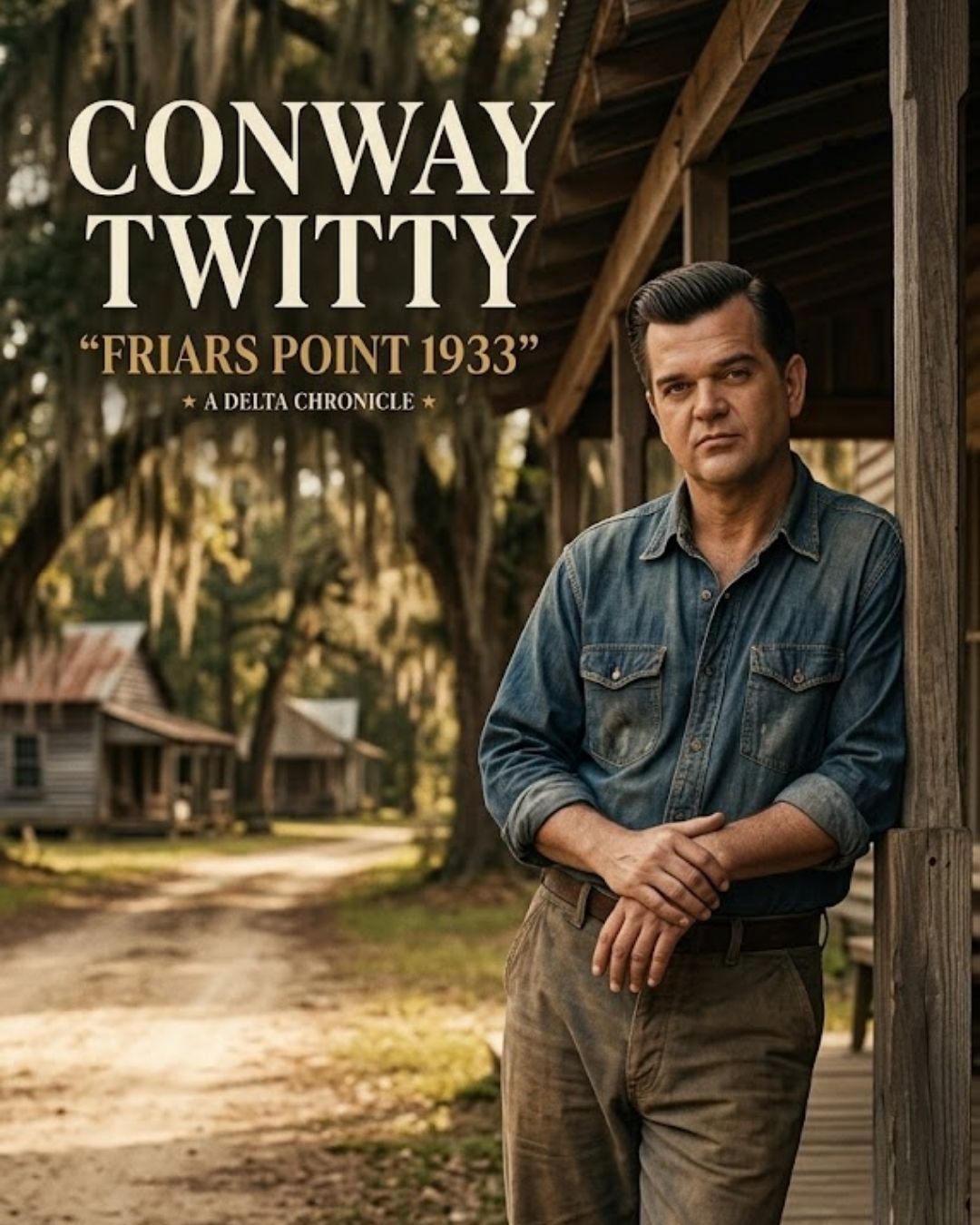
On September 1, 1933, in the humid riverbanks of Friars Point, Mississippi, a boy named Harold Lloyd Jenkins entered the world to the rhythm of churning paddlewheels and distant church choirs. Friars Point was an isolated pocket in the Mississippi Delta, home to fewer than a thousand souls and cut off from urban prosperity. Yet, along the muddy bends of the river where his father piloted a ferry, young Harold discovered something far more potent than geographical isolation. He encountered the haunting inflections of Delta bluesmen and the fervor of Southern gospel, merging them into an instinctual musical language before he ever touched a professional stage. Decades before adopting the stage name that would dominate American radio, the foundations of a legend were quietly taking shape in the river mist. What transformative lessons did this remote outpost imprint on his soul?
THE DETAILED STORY
Growing up in the Great Depression along the Mississippi River, Harold Jenkins was shaped by an environment where music was not an ambition, but a survival mechanism. His father, Floyd Jenkins, navigated ferryboats across the unpredictable currents between Mississippi and Arkansas, instilling in the boy a steady discipline and an ear for the sonics of working-class life. By age four, Harold was strumming a rudimentary guitar gifted by his grandfather, quickly absorbing chord progressions by ear.
What set Friars Point apart was its unique position as a cultural crossroads. While neighboring towns were strictly segregated in musical consumption, the geography of the Delta allowed young Harold to absorb unfiltered Black gospel from local churches and the raw, bending notes of Delta blues singers who worked the surrounding cotton fields. On Saturday evenings, the Jenkins household gathered around the battery-operated radio to catch the Grand Ole Opry broadcast from Nashville, blending traditional country melodies with the rhythmic grit of the Delta. This dual exposure created a hybrid sensibility: the narrative honesty of country storytelling paired with the vocal dynamics, expressive pauses, and microtonal phrasing of African American blues.
When the family later relocated across the river to Helena, Arkansas, Harold was already a seasoned prodigy, forming his first ensemble, The Phillips County Ramblers, at just ten years old and landing his own local radio spot. However, the emotional reservoir that would fuel his eventual transition into Conway Twitty—generating a historic 55 number-one country hits—remained permanently tethered to Friars Point. Unlike peers who approached the genre with standard hillbilly traditionalism, Twitty brought an unprecedented smoldering intimacy to country music, delivering ballads with the smoky resonance and unhurried pacing of a Delta night. Friars Point was never merely a forgotten birthplace on a biographical ledger; it was the essential acoustic forge that engineered one of the most distinctive vocal signatures in American history.