INTRODUCTION
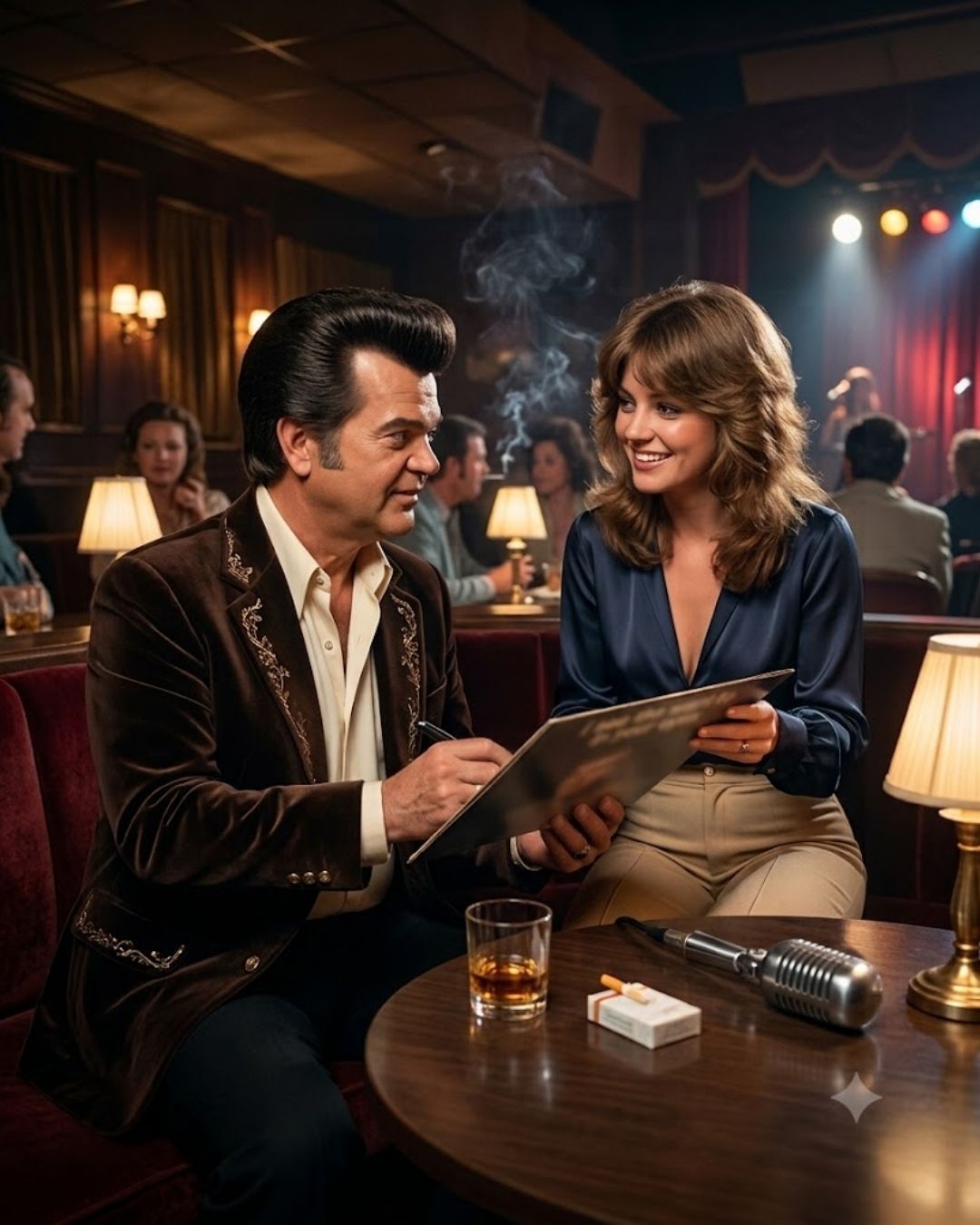
On a sweltering Tuesday afternoon in July 1973, program directors at several prominent country stations received a 45-rpm vinyl single that challenged the moral boundaries of Nashville. The track opened with hushed acoustic strums and an unmistakable, breathless baritone murmuring lyrics of unhurried physical devotion. While previous decades confined female desire to euphemism or tragic consequence, this record articulated mutual passion with cinematic precision. Within weeks, switchboards lit up with calls from outraged traditionalists demanding its removal, contrasted immediately by an unprecedented surge of record purchases from millions of working-class women. Conway Twitty had not merely cut another studio session; he had tapped directly into the seismic aftershocks of the American sexual revolution. How did an unassuming former rockabilly crooner transform suburban bedroom whispers into the most lucrative cultural movement in modern country history?
THE DETAILED STORY
Throughout the early 1970s, the national dialogue around liberation, reproductive autonomy, and relational equality dominated coastal metropolitan centers. Yet across rural and working-class communities, millions of American women were quietly navigating their own cultural awakening. Mainstream country radio had historically favored traditional themes of moral consequence, domestic endurance, or honky-tonk escapism. However, Harold Lloyd Jenkins—recording under the stage name Conway Twitty—identified a profound emotional vacuum within the industry. He recognized that working-class female listeners desired music that respected their interior lives, directly acknowledged mutual physical desire, and rejected condescending patriarchal tropes.
When MCA Records released “You’ve Never Been This Far Before” on 07/23/1973, it ignited an immediate industry skirmish. Conservative program directors across the South labeled the arrangement scandalous, citing Twitty’s intimate vocal delivery and unapologetic celebration of female romantic agency. Multiple radio stations instituted outright bans, refusing to broadcast the single. Yet the listening public completely bypassed institutional gatekeeping. On 09/22/1973, the single captured the number one position on the Billboard Hot Country Songs chart, anchoring the summit for three consecutive weeks while climbing to number twenty-two on the pop charts. Retail counters were overwhelmed by female buyers demanding the record.
Twitty’s lasting cultural impact stemmed from his radical subversion of traditional country masculinity. Rather than projecting detachment or aggressive machismo, he positioned himself as an attentive, emotionally grounded partner who prioritized his lover’s consent and fulfillment. Subsequent masterpieces like “I’d Love to Lay You Down” further solidified this narrative architecture, establishing a commercial sanctuary where female pleasure was dignified rather than judged. By translating private intimacy into broad cultural resonance, Twitty proved that the sexual revolution was never confined to urban counterculture; it had fundamentally reshaped the American heartland through the power of authentic vulnerability.