INTRODUCTION
In the dim glow of 1959, a young man from Liverpool named Ronald Wycherley stepped into a Decca studio with a notebook full of self-penned dreams. He was not just another face in the crowd of rising teenage idols; he was a songwriter with a singular vision. How did this shy dock worker manage to capture the restless spirit of a generation on his breakthrough records?
THE DETAILED STORY
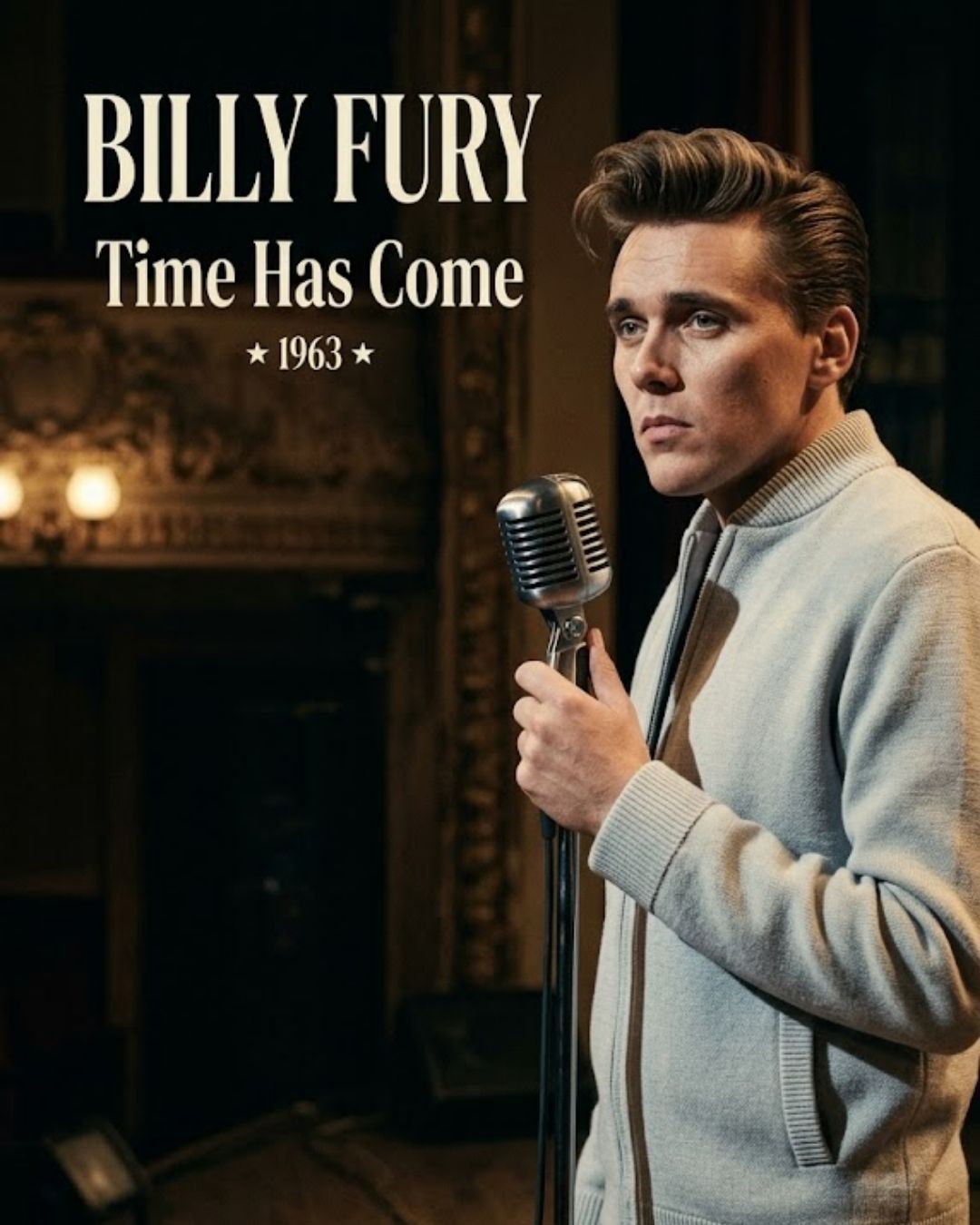
The transition from Ronald Wycherley to the stage persona Billy Fury remains one of the most compelling metamorphoses in British music history. Before the sweeping wave of the Merseybeat era hit, Fury was already operating on a different frequency. By the time he walked into the studio to record Time Has Come in 1959, he had already caught the attention of influential manager Larry Parnes. Unlike many of his contemporaries who relied heavily on established American covers to fill their setlists, Fury possessed an internal compulsion to write. He was a storyteller at heart, drawing inspiration not from the glitter of the London press but from the grit of his daily life in Liverpool.
When he signed with Decca Records, the industry expectations for a young singer were narrow. Teen idols were expected to look handsome, sing safe ballads, and project an image of clean-cut compliance. Yet, there was an unmistakable darkness and sincerity to Fury’s delivery that prevented him from ever being truly typecast. During the recording of this 1959 session, directed by Harry Robinson, the band focused on a tight, sharp arrangement that allowed his voice to cut through. Robinson’s contribution was essential, providing a professional polish that elevated Fury’s raw, instinctive songwriting.
Time Has Come serves as a vital piece of the puzzle in understanding his artistic evolution. It is a track that vibrates with the specific anxiety and optimism of a teenager standing on the precipice of a new decade. While it may not have achieved the massive chart heights of his later hits like “Halfway to Paradise,” its importance lies in its demonstration of agency. Fury was insisting on his own creative identity during a time when artists were often treated as puppets. He navigated the complex machinery of mid-century pop with a quiet, persistent defiance.
Historians often overlook the importance of these early sessions, yet they provide the blueprint for everything that followed. Fury’s ability to inject authentic melancholy into a standard rock-and-roll format separated him from the herd. He treated his songs as personal diary entries rather than mere commodities for the teenage market. Even now, listening to the crackle and depth of this recording, one can hear the nascent talent of a man who would eventually define an entire generation. It was the sound of a pioneer testing his reach, long before the charts recognized him as a titan of British music.