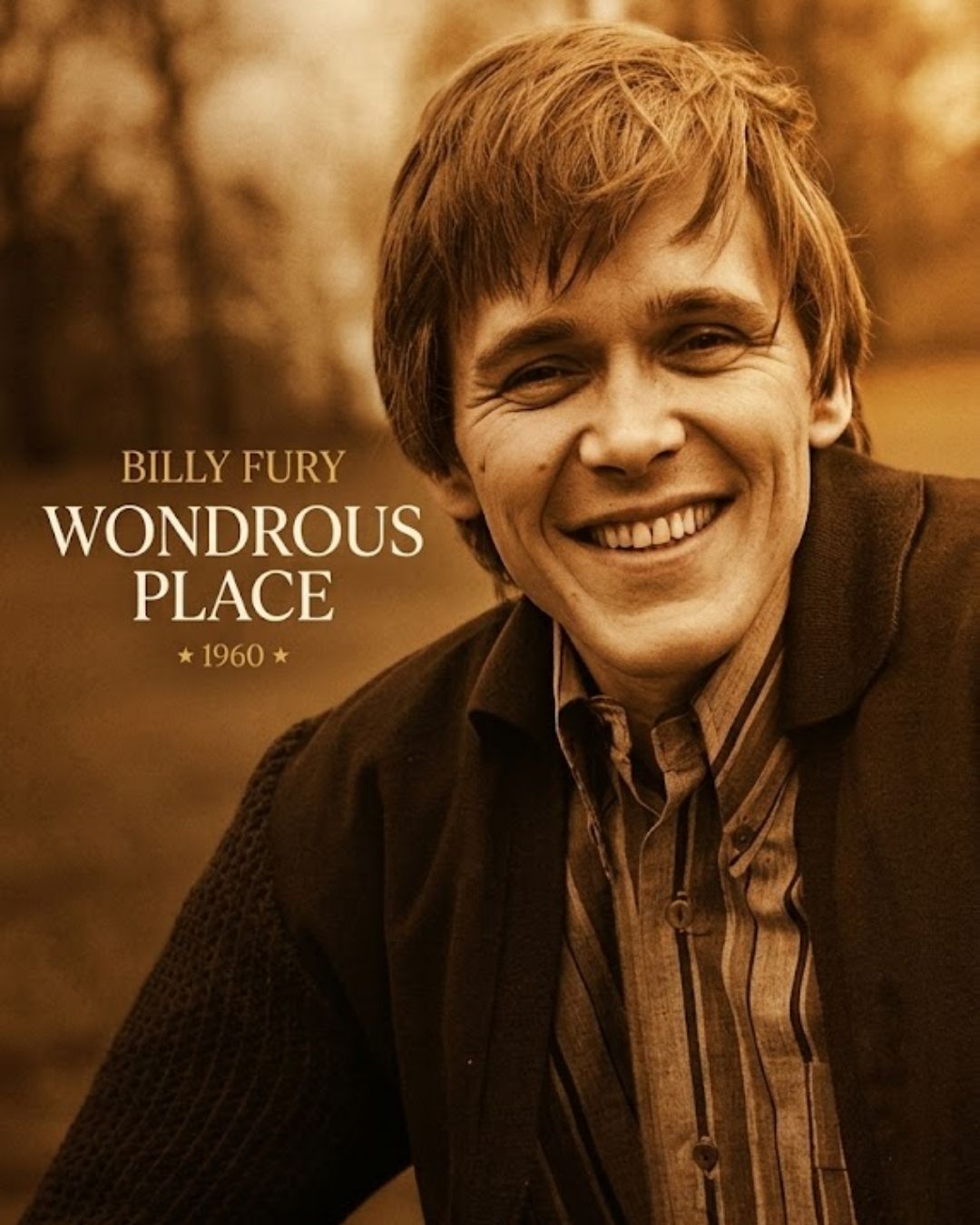
INTRODUCTION
In the autumn of 1960, a twenty-year-old Liverpool dock worker turned teen idol stood before a Decca Records microphone in London. Instead of delivering another standard up-tempo rock number, he lowered his voice into a sultry, whispered register that captivated the nation. How did this quiet, nocturnal recording evolve into one of the most enigmatic tracks of the pre-Beatles era?
THE DETAILED STORY
Before the Merseybeat explosion swept across the globe, British popular music was actively searching for an authentic voice capable of rivaling American rock ‘n’ roll icons. Born Ronald Wycherley in Liverpool, Billy Fury possessed a natural, brooding magnetism and emotional vulnerability that set him far apart from manufactured pop contemporaries. While early British rock was dominated by upbeat skiffle and cheerful dance tunes, Fury instinctively gravitated toward darker, sophisticated arrangements that complemented his introspective nature and velvet vocal timbre.
Originally composed by American songwriters Jeff Lewis and Kenny Colman, the song arrived in the hands of producer Jack Baverstock and music director Ivor Raymonde at Decca Studios. Where other arrangers might have treated the piece as a standard theatrical ballad, the British production team chose to strip the instrumentation down to its essential nocturnal elements. The resulting arrangement—anchored by a creeping upright bassline, subtle ticking percussion, shimmering vibraphone accents, and understated guitar chords—created an intimate, smoky soundscape reminiscent of a private late-night jazz club.
Fury’s vocal performance transformed the material into a masterclass of understated drama. Eschewing the aggressive bravado common among early rock pioneers, he adopted a breathy, sensual delivery that moved effortlessly from whispered confessions into rich, resonant swells. His intuitive phrasing captured an aching sense of romantic longing, painting the titular sanctuary not merely as a physical meeting place, but as an emotional haven from the harsh pressures of public stardom and personal isolation.
Released in September 1960, the track entered the UK Singles Chart, eventually peaking at number twenty-five. While other hits in Fury’s catalog, such as “Halfway to Paradise” and “Jealousy,” achieved higher positions, this moody track became his defining artistic calling card. Fury maintained a deep affection for the song throughout his career, returning to the studio to re-record it in both 1966 and 1983 as an enduring affirmation of his artistic identity.
Decades later, the track found a massive resurgence when modern media and high-profile television commercials reintroduced its haunting melody to new generations of listeners. Today, it stands as undeniable proof of Fury’s exceptional musical vision, demonstrating how atmospheric subtlety, impeccable vocal restraint, and sincere emotion could transcend the fleeting trends of the era to forge a timeless classic in British music history.