Remember when a gentle melody could quiet the entire world? During spring 1961, Elvis Presley reimagined an eighteenth-century French romance into an enduring declaration of devotion. Did you realize this tender ballroom ballad became his definitive concert finale, closing over one thousand live shows throughout his legendary career?
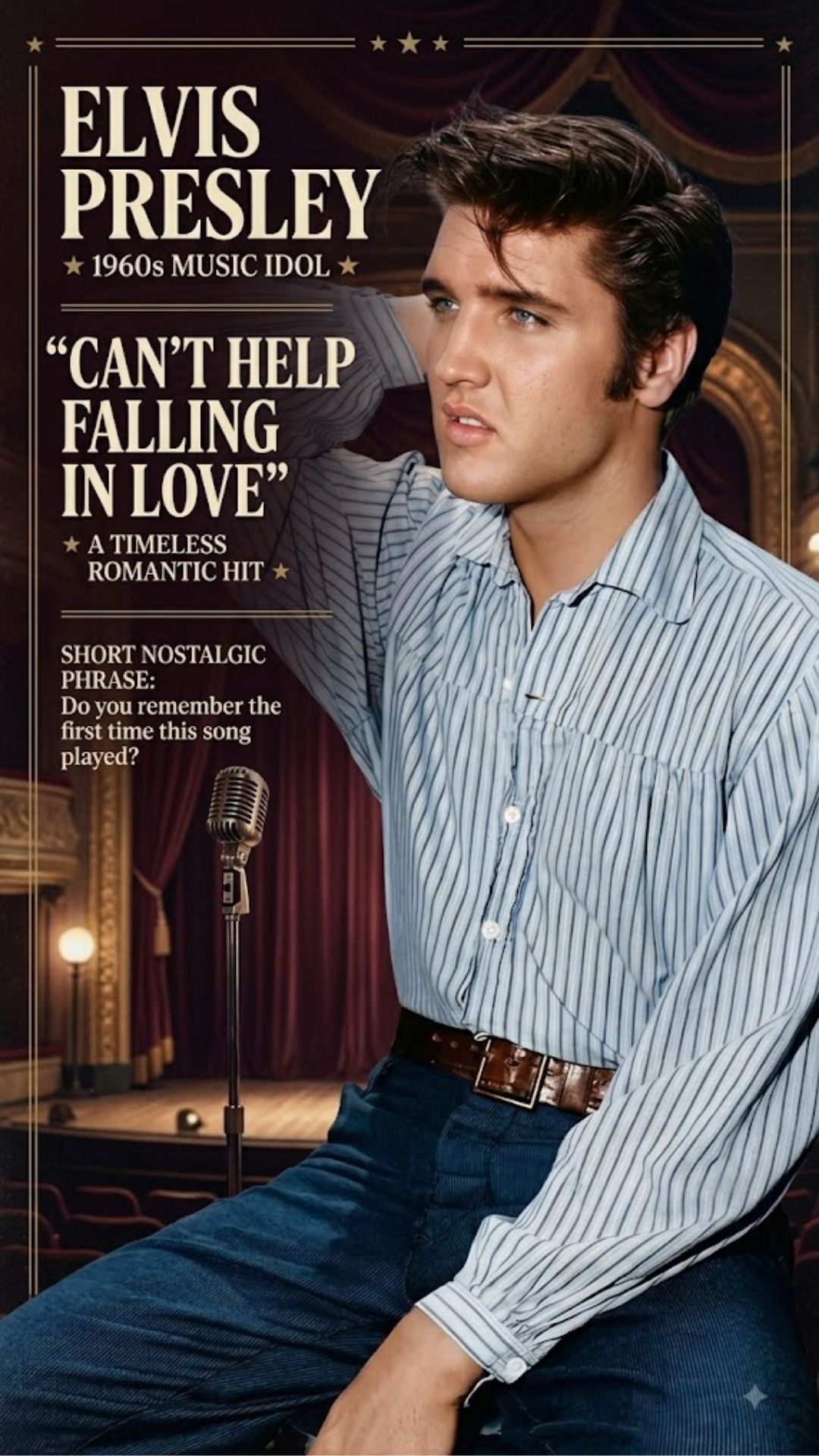
INTRODUCTION
On the evening of March 23, 1961, inside Radio Recorders in Hollywood, Elvis Presley prepared to capture the emotional centerpiece for his upcoming musical comedy. Movie executives originally envisioned a lighthearted island tune, but the singer insisted on pure vulnerability. How did a centuries-old European classical composition evolve into the most iconic love ballad in twentieth-century American popular music history?
THE DETAILED STORY
The musical foundation of the song traces back to eighteenth-century France, originating from the classical romance “Plaisir d’amour,” composed by Jean-Paul-Égide Martini in 1784. When Hollywood producers sought romantic material for the Paramount feature film Blue Hawaii, songwriting trio Hugo Peretti, Luigi Creatore, and George David Weiss reimagined the classical melody into a modern pop masterpiece. While studio executives initially doubted whether a slow, traditional standard would resonate with rock-and-roll audiences, Elvis Presley immediately recognized its timeless melodic elegance and championed the composition without hesitation.
Capturing the master take required immense patience and meticulous restraint inside the studio. Recording alongside his trusted rhythm section, Elvis abandoned his energetic rockabilly delivery in favor of a gentle, intimate baritone. The arrangement relied on a flowing 6/8 waltz tempo, delicate steel guitar textures, and the velvety choral backing of The Jordanaires. Elvis demanded twenty-nine complete takes, relentlessly refining his phrasing and breath control to ensure every syllable sounded natural, vulnerable, and completely sincere. His nuanced performance transformed a simple romantic confession into an overwhelming, universal expression of surrender to love.
Released in October 1961, the single achieved immediate global acclaim. The track climbed to number two on the Billboard Hot 100, while dominating the Billboard Adult Contemporary chart by spending six weeks at number one. Across the Atlantic, the record captured the summit of the UK Singles Chart for four weeks, eventually earning RIAA Platinum certification with millions of physical units sold worldwide. The accompanying soundtrack album went on to spend twenty consecutive weeks atop the charts.
Beyond its initial commercial triumph, the song solidified its immortal status as the emotional climax of Elvis’s live repertoire. Throughout the 1970s, from his historic Las Vegas International Hotel residencies to the groundbreaking 1973 satellite telecast Aloha from Hawaii, Elvis concluded almost every single concert performance with this definitive ballad of unconditional love and devotion. Draped in his iconic white jumpsuit and cape, he would raise his arms to the roaring crowd as the soaring orchestral finale washed over the arena. Decades after its creation, the recording remains the gold standard of romantic ballads, preserving the tender, majestic soul of an artist who conquered the world with quiet grace.