INTRODUCTION
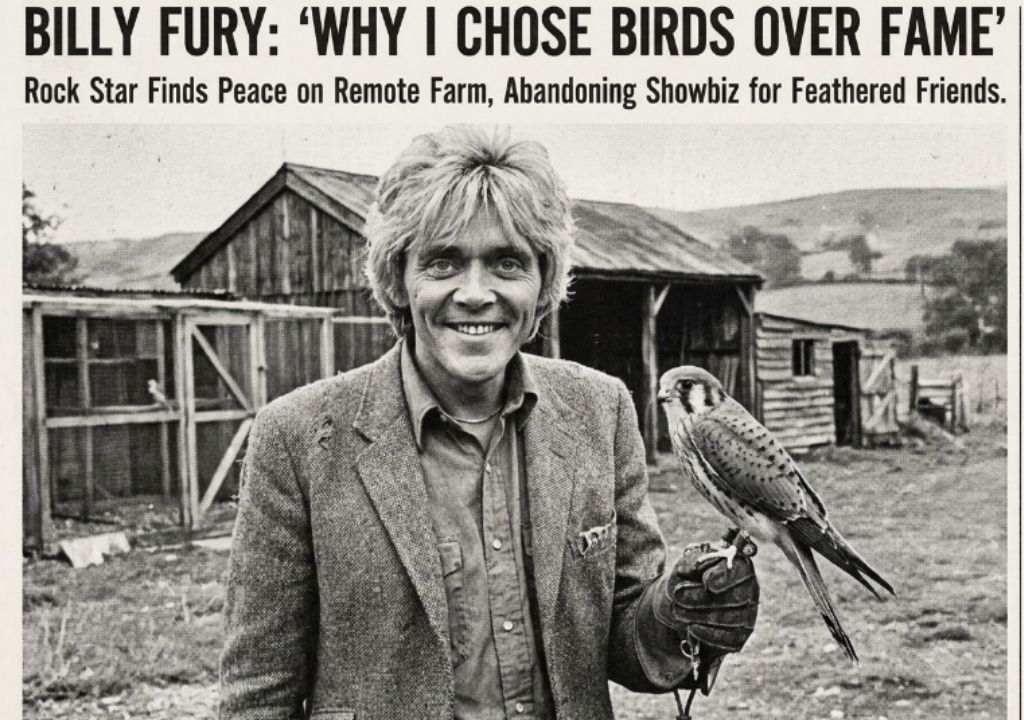
In the autumn of 1971, far removed from the screaming crowds of London’s concert halls, a solitary figure stood overlooking the mist-shrouded hills of his newly acquired Welsh farm. Billy Fury, the magnetic star whose smoldering charisma once rivaled Elvis Presley across the United Kingdom, had quietly purchased a remote rural retreat dedicated entirely to bird watching and animal welfare. To the music press, the sudden relocation appeared to be an act of professional resignation from a hitmaker whose chart dominance was slipping. Yet inside the secluded sanctuary, surrounded by dozens of rare bird species and vast open skies, the pop icon was executing a deliberate transformation. He was not retreating out of defeat; he was reclaiming his life from an industry that demanded everything. Why did one of rock’s greatest pioneers willingly trade the roar of fandom for the silent majesty of nature?
THE DETAILED STORY
For over a decade, the British music establishment measured success purely through record sales and chart positions. Yet behind the effortless grace and brooding vocals that defined hits like Wondrous Place, the singer faced an excruciating reality. Having survived severe rheumatic fever during childhood, his heart remained permanently damaged. The relentless grind of touring, television appearances, and grueling recording sessions placed an unsustainable physical strain on his fragile health. While record executives urged him to adapt to the changing musical landscape of the 1970s, Billy Fury recognized that chasing former glory would cost him his life.
Instead of bowing to commercial pressure, the artist made a profoundly courageous choice. He invested his earnings into acquiring farmland in Wales, turning his back on urban luxury to cultivate an extraordinary haven for wild birds and farm animals. Ornithology was not a passing hobby for the performer; it was a lifelong passion that offered profound emotional healing. On his farm, free from the synthetic demands of show business, he spent countless hours studying avian behavior, nursing injured wildlife, and protecting natural habitats.
This radical decision reflected a masterclass in personal priorities. Rather than suffering the quiet indignity of a forced career decline, the singer reclaimed full autonomy over his destiny. His secluded estate became a bustling ecosystem where horses, dogs, and wild birds thrived under his meticulous personal care. Industry insiders watched in astonishment as one of Britain’s biggest cultural icons chose authentic peace over commercial survival, proving that true fulfillment lay far beyond stage lighting and public applause.
Through this deliberate transition, he redefined what it meant to live a meaningful life on his own terms. His retreat was never an admission of defeat, but a triumphant reclamation of health, purpose, and spirit. By embracing the quiet rhythms of nature, he preserved his dignity and created a personal legacy that transcended the transient nature of pop stardom.