Introduction
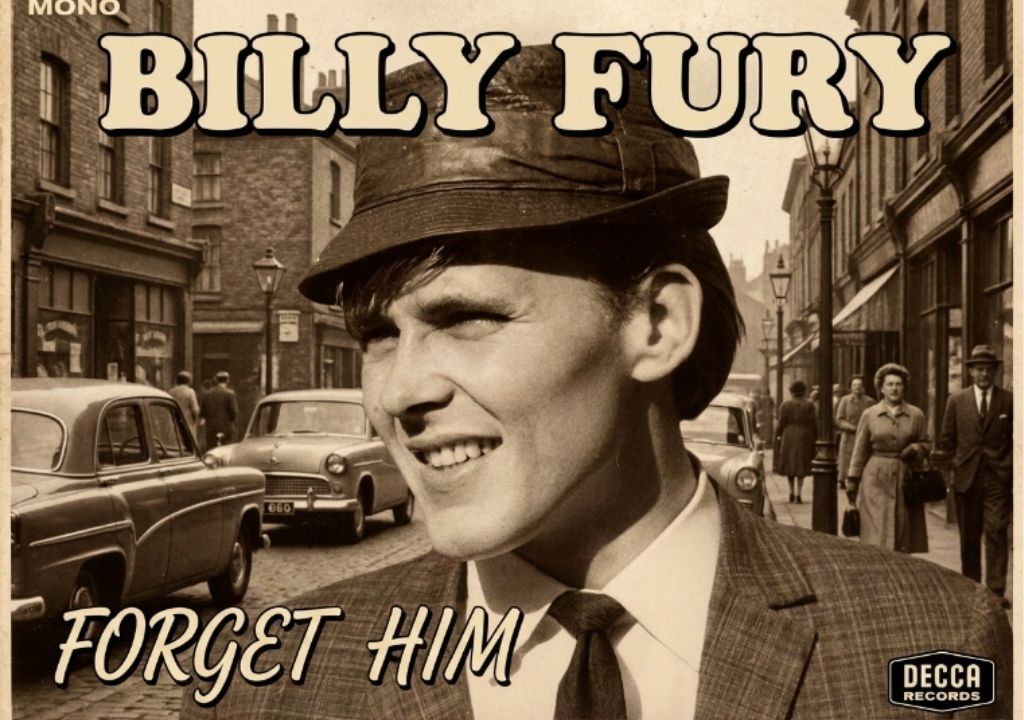
There is a specific kind of quiet that only belongs to the midnight hours, a sanctuary where old melodies find a way to slip through the cracks of time and pull at our most buried memories. If you sit in that stillness long enough, spinning the vinyl records of the early 1960s, you will inevitably encounter the unmistakable, velvet-wrapped voice of Billy Fury. Among the vast catalog of British rock and roll pioneers, few artists could bridge the raw, electrifying energy of youth culture with such fragile, heart-wrenching vulnerability. When he stepped up to the microphone to sing “Forget Him,” he was not merely performing a pop song; he was baring a wounded soul.
Released during a pivotal era in British pop history—just as the explosive rock and roll boom of the late 1950s was giving way to the sophisticated orchestral arrangements of the mid-1960s—”Forget Him” stands out as a timeless masterclass in romantic melodrama. The production surrounds Fury’s delicate vocals with sweeping strings, gentle percussion, and an understated arrangement that allows every single breath and tremor in his voice to resonate deeply. Unlike the aggressive bravado often associated with male pop icons of his generation, Billy Fury’s delivery carries an innate, almost painful tenderness. He sings not as a distant superstar, but as a sympathetic confidant sitting across from you in a dimly lit diner, watching you mourn a love that was never meant to be.
The narrative inside “Forget Him” touches upon one of the most painfully relatable human experiences: loving someone who is hopelessly heartbroken by somebody else. It is an unselfish plea wrapped in melancholy. Fury implores the listener to let go of the lingering shadow of a past relationship, offering his own gentle devotion as a safe refuge. There is a deep, poetic tragedy in the way his voice rises with emotional urgency during the chorus, pushing through the lush orchestral swells. He masterfully conveys the agonizing paradox of romantic longing—the sincere desire to heal another person’s broken heart even while knowing how fragile love truly is.
To fully appreciate the impact of this recording, one must understand Billy Fury himself. Born Ronald Wycherley in Liverpool, he possessed a rare combination of smoldering James Dean charm and a delicate health condition that lent his stage presence a poignant, almost tragic frailty. Audiences did not merely admire him; they felt a profound urge to protect him. That authentic vulnerability is the secret ingredient that makes “Forget Him” so enduring. Decades after its original release, the song remains a glowing beacon for anyone who cherishes the golden age of vocal pop, proving that while musical trends inevitably come and go, genuine human emotion never fades.