Introduction
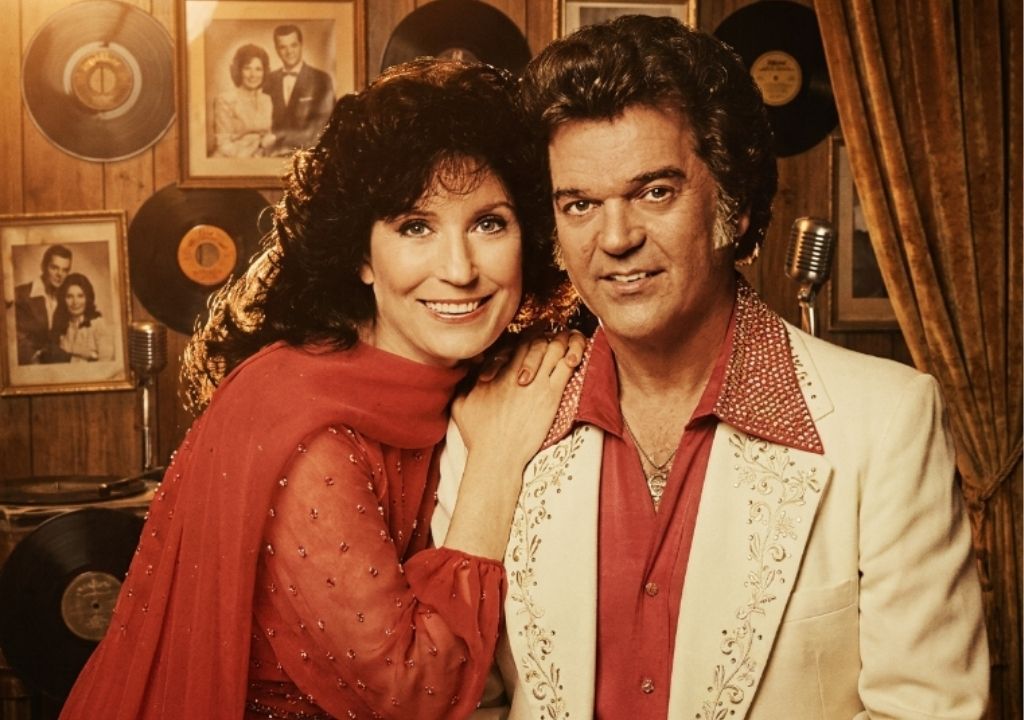
There is an unmistakable, intoxicating magic that happens when two supreme vocalists of country music history step up to the microphone and lay their souls bare. In the golden era of early 1970s Nashville, few pairings possessed the magnetic chemistry, raw authenticity, and emotional depth shared by Conway Twitty and Loretta Lynn. When their landmark single “Lead Me On” was released in the autumn of 1971, it did not merely climb the charts to claim the number-one spot on the Billboard Hot Country Singles list; it captured the very heartbeat of traditional country storytelling. Listening to this track today feels like stepping back into a smoke-filled, wood-paneled lounge where every lyric carries the weight of a whispered confession.
Conway Twitty possessed a velvety, baritone richness that could convey intense longing with just a single sustained note, while Loretta Lynn brought the unvarnished, gritty truth of a coal miner’s daughter who had lived through every hardship she sang about. Individually, they were titans of the genre. Together, under the masterful production of Owen Bradley at the legendary Bradley’s Barn, they created a vocal synergy that felt dangerously intimate. “Lead Me On” dives deep into the complex, forbidden emotional terrain that country music has always charted with fearless honesty. Written by Leon Copeland, the song plays on the delicate boundary of temptation, wrapped in the weeping steel guitars and classic honky-tonk instrumentation that defined the quintessential Nashville Sound of the era.
What makes this recording endure across decades is the palpable tension woven into every harmony. As their voices intertwine, you do not just hear two professionals executing a melody; you witness a cinematic dialogue unfold. Loretta’s voice cuts through with crystalline vulnerability, beautifully anchored and answered by Conway’s smooth, resonant timbre. It is a masterclass in vocal restraint and emotional phrasing, where the spaces between the notes are just as heavy as the words themselves. It evokes images of neon signs glowing through rainy truck stop windows, dusty vinyl spinning on a glowing jukebox, and a generation of listeners finding solace in shared heartbreak.
As the years have marched on, the landscape of country music has shifted dramatically, trading acoustic warmth for polished digital perfection. Yet, tracks like “Lead Me On” remain timeless monuments to an era when country music was built on genuine human experience, heartbreak, and resilience. They remind us why vinyl records, warm tube amplifiers, and the honest twang of a pedal steel guitar hold such a sacred place in our memories. This song is not merely a piece of audio history; it is a living, breathing emotional time capsule that continues to captivate anyone willing to slow down, listen closely, and let the music guide them back to a simpler, more poignant time.