Introduction
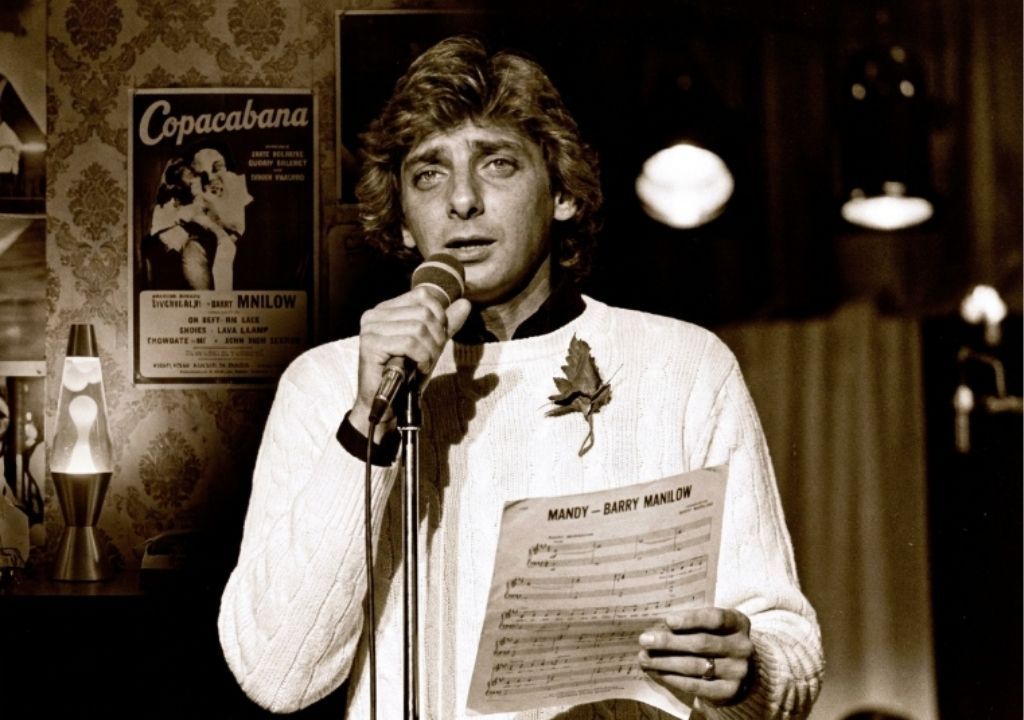
Let the music take us back to the chilling winds of late 1974. The airwaves were crowded with glam rock, the early pulses of disco, and singer-songwriters baring their souls with acoustic guitars. Yet, amidst all that sonic diversity, a lone piano introduction began to drift out of car radios and living room stereos, altering the landscape of pop music forever. It was the introduction of a relatively unknown artist named Barry Manilow, delivering a song that would not only define his legendary career but would also become the ultimate blueprint for the modern emotional power ballad: “Mandy.”
To truly appreciate “Mandy,” one must look at its fascinating transformation. Originally written and recorded by Scott English as “Brandy” in 1971, the song was a modest success but lacked the grand, heart-wrenching theatricality we know today. When Clive Davis, the visionary head of Arista Records, brought the song to Barry Manilow, Barry initially hesitated. However, by changing the title to “Mandy” to avoid confusion with another popular song of the era, and slowing down the tempo, Manilow uncovered the hidden emotional goldmine within the lyrics. He stripped away the original’s frantic rhythm and replaced it with a majestic, melancholy piano arrangement that felt less like a standard pop tune and more like a private diary entry set to music.
From the moment the needle drops, the atmosphere shifts. The opening piano chords are deliberate, spacious, and heavy with regret. Manilow’s voice enters with an incredible sense of intimacy, almost hushed, as if he is whispering his confessions in an empty room. He captures the raw, aching vulnerability of a man waking up to the devastating reality of his own mistakes. The narrative is universally agonizing: realizing the true value of someone only after you have let them walk away. It is this profound sense of emotional honesty that makes the song instantly cinematic, painting a vivid picture of rain-soaked windows, lonely city streets, and the heavy weight of nostalgia.
As the track progresses, the arrangement brilliantly mirrors the emotional escalation of the lyrics. What starts as a quiet soliloquy slowly builds, layer by layer, incorporating lush strings and a driving rhythm section. And then, comes the moment that would define Barry Manilow’s signature style for decades to come—the grand, soaring key change. When the music modulates, it feels like an emotional dam breaking. Manilow’s vocals transition from a vulnerable whisper to an absolute powerhouse declaration of grief and longing. It is a masterclass in musical dynamics, proving that pop music could be just as dramatic and deeply moving as a theatrical opera.
Decades later, “Mandy” has lost none of its devastating beauty. It remains a masterfully crafted time capsule from a golden era when melody reigned supreme, and songs were built upon genuine human feeling rather than digital perfection. For those who grew up listening to this masterpiece, it evokes a flood of memories of youth, lost loves, and the comforting glow of late-night radio. Barry Manilow didn’t just sing a song; he gave us a timeless sanctuary for our own moments of heartbreak and reflection.