Introduction
There is an enduring, bittersweet romance tied to the mythos of Southern California—a land painted in perpetual sunshine, where dreamers from across the globe migrate in search of stardom, television breaks, and cinematic glory. Yet, behind the glitz of the palm-fringed avenues lies a quiet graveyard of forgotten ambitions, a theme that has inspired some of the finest poetry in American popular music. When Albert Hammond first unleashed “It Never Rains In Southern California” in 1972, it instantly became the definitive anthem for the wandering soul who gambled everything on a westbound 747 only to find themselves penniless and forgotten. It is a modern tragedy wrapped in a deceptively sweet melody, capturing that specific, crushing isolation of being completely alone in a crowded, sun-drenched paradise.
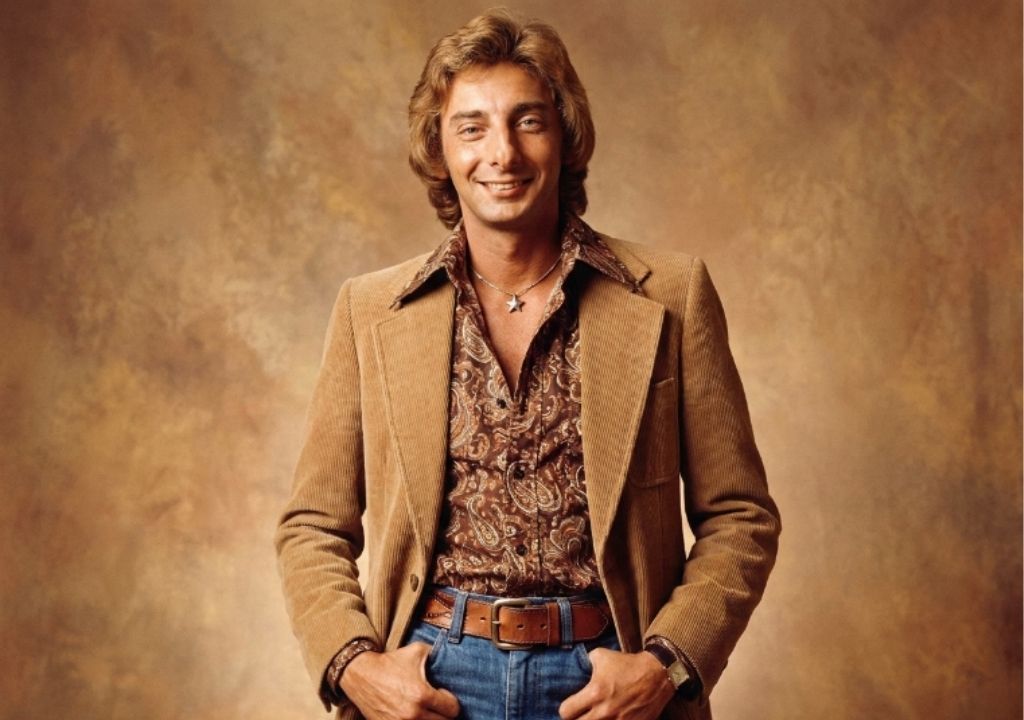
Fast forward to 2007, when the legendary Barry Manilow breathed magnificent new life into this classic for his acclaimed archival project, The Greatest Songs of the Seventies. Manilow, a premier architect of the emotional pop ballad, did not merely cover the track; he entirely reimagined it through his signature cinematic lens. Where the original version possessed a gritty, folk-pop vulnerability, Manilow wraps the narrative in a lush, symphonic tapestry. His interpretation begins with an intimate, melancholic piano phrasing that immediately signals a deep, reflective retrospection. As a seasoned raconteur of the lonely and the brokenhearted, Manilow understands that the song’s true power lies in its profound contrast. His vocals carry the weary, empathetic weight of an artist who has witnessed the rise and fall of countless stars, transforming a simple cautionary tale into an epic, theatrical portrait of human vulnerability.
The brilliance of Manilow’s delivery shines brightest in the song’s devastatingly honest chorus and bridge. When he delivers the iconic lines, “It never rains in California, but girl, don’t they warn ya? It pours, man, it pours,” the music swells with a glorious arrangement of brass and sweeping strings that mimics a sudden, torrential downpour of emotion. He embodies the narrator who is out of work, out of bread, and stripped of his self-respect, yet still fiercely clinging to a fragile sense of pride. The most heartbreaking moment occurs during the plea to an old friend: “Will you tell the folks back home I nearly made it?… But please don’t tell them how you found me.” Manilow’s vocal performance here is a masterclass in nuance; his voice fractures slightly with an authentic tenderness that perfectly captures the paralyzing shame of failure and the desperate need to keep the illusion alive for the people who love him back home.
Decades after the song was first conceived, and years after Manilow preserved it in his golden discography, this masterpiece continues to resonate with an astonishing clarity. In our modern digital age, where everyone is pressured to project an unblemished image of success and happiness, the raw honesty of this track feels more urgent and comforting than ever. Barry Manilow reminds us that music is at its absolute best when it acts as a mirror to our shared flaws, our quiet heartbreaks, and our unfulfilled desires. “It Never Rains In Southern California” remains a gorgeous, timeless monument to the dreamers who dared to reach for the stars, serving as a warm, musical embrace for anyone who has ever faced the storm beneath a clear blue sky.