INTRODUCTION
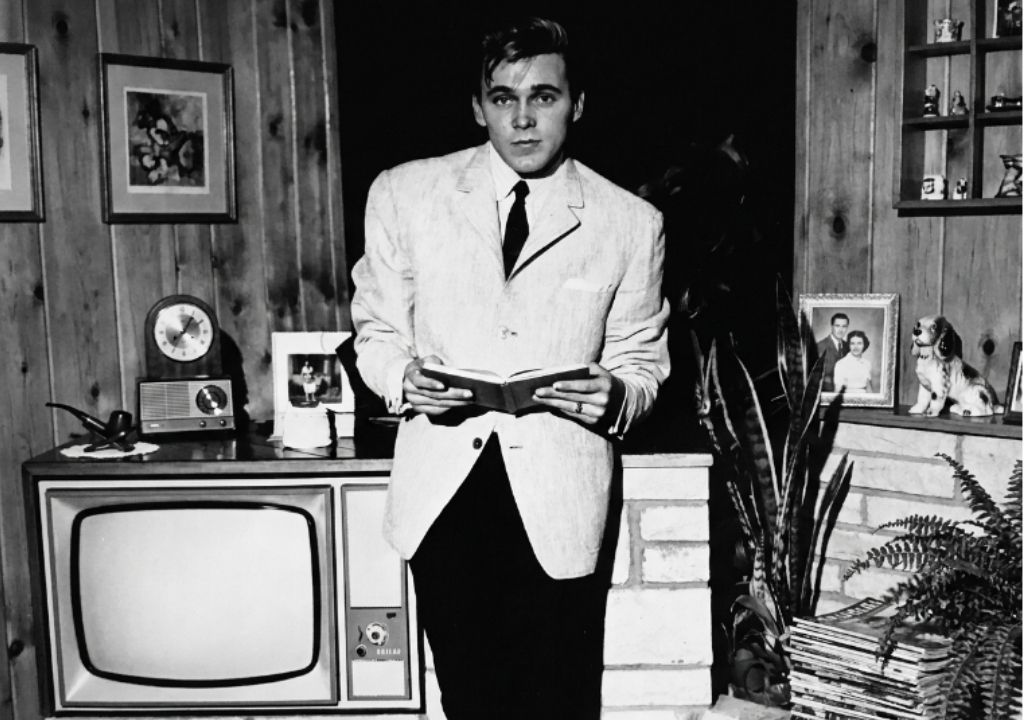
On 10/01/1958, eighteen-year-old dockworker Ronald Wycherley walked backstage at the Essoldo Theatre in Birkenhead with a guitar and a notebook of original songs. Suffering from rheumatic heart disease and earning minimal wages on the Liverpool waterfront, the young musician only sought to sell his compositions to pop star Marty Wilde. Instead, he met Larry Parnes, the formidable impresario notorious across London for locking performers into strict management deals while pocketing the vast majority of performance revenues. When Parnes impetuously pushed Wycherley onto the stage during the interval, the crowd’s rapturous reception proved transformative. Renamed Billy Fury on the spot, the young artist faced an immediate, profound dilemma: accept an exploitative contract or return to grueling dockwork. What drove this soft-spoken singer to knowingly trade his independence for Parnes’ iron-clad star-making machine?
THE DETAILED STORY
In the late 1950s, the British music industry operated as a tightly controlled oligopoly. For a working-class teenager from northern England, breaking into London’s recording studios without an established manager was functionally impossible. Larry Parnes held near-total control over national touring circuits, broadcast access, and label relationships with Decca Records. Known colloquially as “Mr. Parnes, Shillings and Pence,” the manager famously paid his artists fixed weekly salaries—often as low as $70 to $140 USD per week—while retaining up to eighty percent of booking receipts and publishing rights.
For Billy Fury, however, the decision to sign was rooted in pragmatic survival rather than artistic naivety. First, his physical reality left him with limited options. Having suffered from severe rheumatic fever as a child, his damaged heart made heavy physical labor on the Liverpool docks an imminent health hazard. Professional music offered a life-saving alternative to grueling manual work. Second, Fury recognized that Parnes possessed the operational infrastructure required to convert raw songwriting into commercial reality. Independent distribution did not exist in 1958; without Parnes’ leverage, Fury’s self-penned compositions would have remained unheard outside Merseyside.
By accepting Parnes’ strict terms, Fury gained immediate access to professional backing bands, nationwide package tours, and premier recording facilities. Within months, Parnes secured a Decca recording contract that yielded Fury’s groundbreaking 1960 debut album, The Sound of Fury—a masterpiece of self-penned British rockabilly. While other performers chafed under Parnes’ financial grip, Fury leveraged the manager’s machinery to cultivate an irresistible stage persona and build an enduring fanbase. Over his career, he achieved twenty-nine hit singles, rivaling Cliff Richard and pre-dating the Beatlemania explosion that later swept Liverpool. Fury understood that early financial exploitation was a calculated entry fee for long-term cultural immortality. By prioritizing immediate industry access over contractual perfection, he transformed a restrictive contract into the launching pad for one of British rock’s most celebrated legacies.