INTRODUCTION
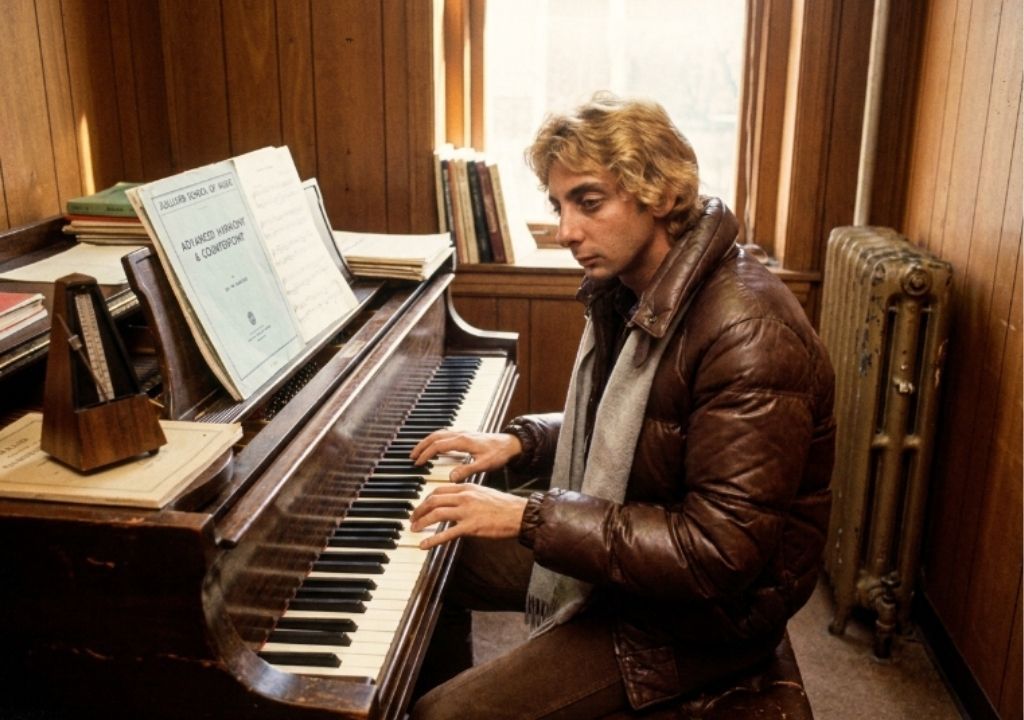
Long before he commanded packed arenas in Las Vegas or generated millions in USD ($) from chart-topping anthems, a young Barry Manilow navigated the bustling corridors of Manhattan with quiet, relentless determination. In the early 1960s, his daily existence was split between the rigorous, high-minded classical curriculum at the Juilliard School and the mundane, repetitive tasks of the CBS mailroom. Sorting letters by day to finance his evening musical education at the New York College of Music, Manilow was not merely earning a living; he was absorbing the structural architecture of sound. This unyielding juxtaposition of blue-collar labor and elite academic discipline established a profound, ironclad work ethic. It was during these formative, unglamorous years that the future icon meticulously engineered the foundational mechanics that would later redefine the entire landscape of American Adult Contemporary music.
THE DETAILED STORY
The journey of Barry Manilow is a masterclass in artistic resilience and academic precision. Born in Brooklyn, Manilow understood early on that raw talent required the sharp edge of formal training. His enrollment at the New York College of Music, followed by his advanced studies in musical theater at the prestigious Juilliard School, provided him with a sophisticated harmonic vocabulary. While his peers focused purely on contemporary rock trends, Manilow was dissecting the complex counterpoint and melodic architecture of classical masters.
To sustain this elite education without financial backing, he took an entry-level position in the CBS mailroom, earning a modest salary while keeping his ears open to the media industry’s evolving tastes. This dual life forged an indomitable discipline. At CBS, his profound musical literacy quickly caught the attention of insiders, leading to his first breakthrough arranging music for an off-Broadway revival of The Drunkard. Manilow’s Juilliard training taught him that a great pop song is not an accident; it is an impeccably engineered piece of architecture.
When he eventually transitioned into commercial pop, this classical pedigree became his ultimate competitive advantage. He brought an unprecedented level of symphonic sophistication to the emerging Adult Contemporary format. His mastery of key modulations, soaring orchestral arrangements, and dramatic builds—most notably demonstrated in his brilliant adaptation of Chopin’s Prelude in C minor for his hit “Could It Be Magic”—stemmed directly from his classroom hours in Manhattan.
Industry trade publications like Billboard and The Hollywood Reporter have frequently noted how Manilow’s rigorous academic foundation allowed him to transcend temporary musical trends, eventually securing over fifty Top 40 hits throughout his legendary career. The iron will forged in the CBS mailroom and the elite classical frameworks internalized at Juilliard transformed a humble Brooklyn student into the definitive architect of modern pop romanticism, proving that global commercial triumph is always built on a foundation of flawless structural mastery.