INTRODUCTION
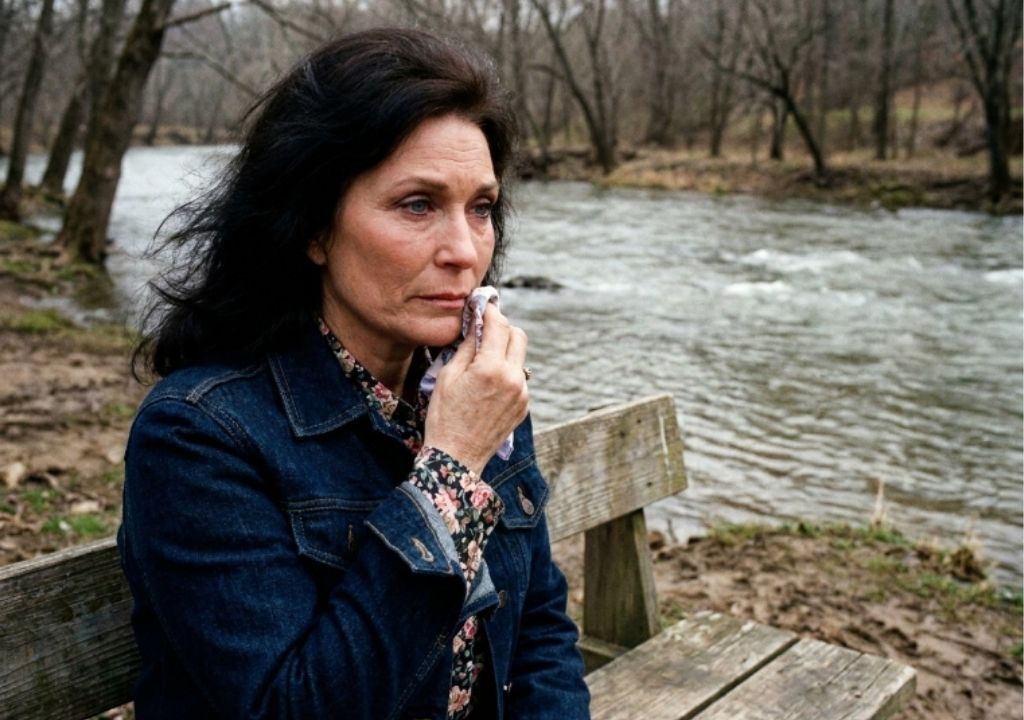
On the evening of 07/22/1984, the waters of the Duck River ran high and treacherous near Hurricane Mills, Tennessee. Jack Benny Lynn, a 34-year-old horse trainer and blacksmith, prepared to ride his horse home after visiting campers at his family’s expansive ranch property. Attempting a shortcut through a river swollen by heavy summer torrential rains, neither horse nor rider would make it to the other side. For three agonizing days, a quiet dread blanketed the estate as search teams combed the riverbanks. Meanwhile, miles away in a Nashville hospital intensive care unit, his mother—the reigning queen of country music, Loretta Lynn—was recovering from severe physical exhaustion. She remained entirely unaware that the structural foundation of her personal world had just collapsed beneath the rising southern currents.
THE DETAILED STORY
The devastating news was delivered on the fourth day of Loretta Lynn’s intensive hospitalization. Her husband, Oliver “Doolittle” Lynn, entered the intensive care unit to deliver a crushing reality that would alter the country icon permanently. “Jack’s dead,” he recounted, a simple statement that instantly shattered her spirit. Authorities had recovered Jack’s body on 07/25/1984, ending a desperate three-day search that drew widespread national media attention across Tennessee. For Lynn, the loss of her eldest son introduced a visceral, enduring agony that no amount of commercial fame, gold records, or industry accolades could ever mitigate. Jack was uniquely tethered to his mother, sharing her quiet love for the land, farming, and working with his hands rather than pursuing the bright neon lights of the music industry.
The tragedy was further compounded by a poignant final memory that remained etched in her heart. Only weeks prior, during a drive to Nashville, Jack had proudly revealed to his mother that he had successfully maintained sobriety for nine months, promising never to drink again. This sudden loss left Lynn grappling with a deep emotional paralysis, prompting a profound existential and spiritual crisis. In the dark months following the funeral, she retreated completely from the public eye, finding solace only through a meticulous, desperate study of scripture. Lynn frequently noted that a piece of her soul remained forever submerged in the Duck River.
Yet, the master storyteller channeled her bottomless grief back into her American art form. She integrated Willie Nelson’s poignant ballad, “You Were Always on My Mind,” into her live concert repertoires as an enduring, public love letter to her late son. Lynn openly acknowledged that Jack’s passing permanently realigned her priorities, severing her attachment to earthly ambitions. This profound loss redefined her late-career performance style, adding a haunting, mature resonance to her legendary catalog until her own passing in 2022.