INTRODUCTION
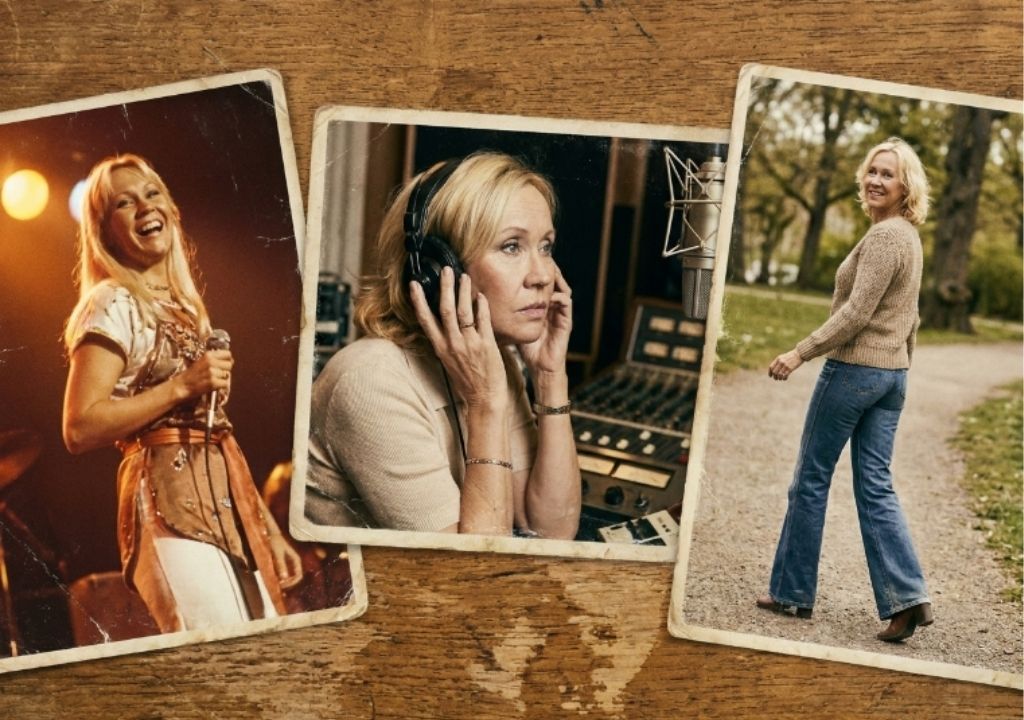
On the morning of 08/20/1982, inside the dimly lit interior of Polar Music Studios in Stockholm, Sweden, the atmosphere was far from a traditional pop celebration. Outside, the late summer temperature hovered around a crisp 60 degrees Fahrenheit, but inside Studio Two, the climate felt intensely clinical. Benny Andersson sat alone at a newly acquired LinnDrum machine and a solitary Yamaha GX-1 synthesizer, constructing an intentionally repetitive, cold electronic pulse. Agnetha Fältskog walked into the recording booth, carrying the profound weight of a band navigating its final, agonizing creative breaths. There were no triumphant vocal harmonies or grand orchestral sweeps planned for the session. Instead, Fältskog approached the microphone to deliver an unvarnished monologue that would become ABBA’s ultimate artistic statement, transforming the mundane details of everyday life into a majestic monument of emotional architecture.
THE DETAILED STORY
The track, which serves as the centerpiece of their retrospective compilation The Singles: The First Ten Years, represents a radical departure from the joyful, layered pop anthems that built the group’s global multi-million dollar brand. Rather than soaring above the track with operatic precision, Fältskog was instructed by songwriting partners Björn Ulvaeus and Benny Andersson to act out the narrative of an ordinary woman locked in a numbing, predictable routine. She approached this creative mandate not as a mere singer, but as an exceptional dramatic actress. The result was a chillingly restrained, near-whispered vocal performance that captured a profound psychological depth.
Fältskog’s delivery operates with a unique technical brilliance. By stripping away her trademark power belt, she lets her natural Swedish accent lean into the stark, dry acoustic environment of the studio. Her character chronicles a list of mundane activities—reading a magazine, smoking a cigarette, catching a commuter train—with a hauntingly flat, mechanical affect. This brilliant artistic restraint intentionally mimics the cold, synthetic pulse of the backing arrangement, where the only other human presence is Anni-Frid Lyngstad’s operatic, background vocals echoing like distant, ghostly warnings. This stark contrast emphasizes the sheer scale of the subject’s emotional vacuum.
Retrospective reviews published by Billboard and Variety regularly celebrate “The Day Before You Came” as one of pop music’s greatest triumphs of mood and atmosphere. When modern television retrospectives air at 9:00 PM ET/PT, musicologists consistently point to this track as a daring avant-garde masterclass that proved commercial pop could accommodate complex human psychological truths. When the single rolled out internationally on 10/18/1982, it did not achieve the effortless commercial status of their mid-seventies peaks in the United States, yet its artistic footprint remains entirely unmatched. Fältskog’s vocal performance did not simply capture a woman’s narrative isolation; it elegantly dignified the quiet, internal battles of ordinary human existence, ensuring that ABBA’s original recording era closed with a work of peerless, sophisticated genius.