INTRODUCTION
In the spring of 1976, a literary phenomenon reshaped American roots music. The publication of a raw, unvarnished memoir introduced the mainstream public to the grueling realities of Appalachian poverty. This work solidified an enduring cultural mythos: a thirteen-year-old girl from Butcher Hollow, Kentucky, marrying a charismatic veteran and becoming a mother of four by the time she turned eighteen. The narrative was so potent it inspired an Academy Award-winning cinematic masterpiece, embedding the artist’s teenage struggles into the bedrock of American folklore. Yet, beneath the poetic prose lay a carefully guarded secret that would remain undisturbed for over three decades until a routine archival audit unearthed a paper trail that completely realigned her chronological history. How did a minor bureaucratic discrepancy reshape the foundational lore of country music’s most celebrated matriarch?
THE DETAILED STORY
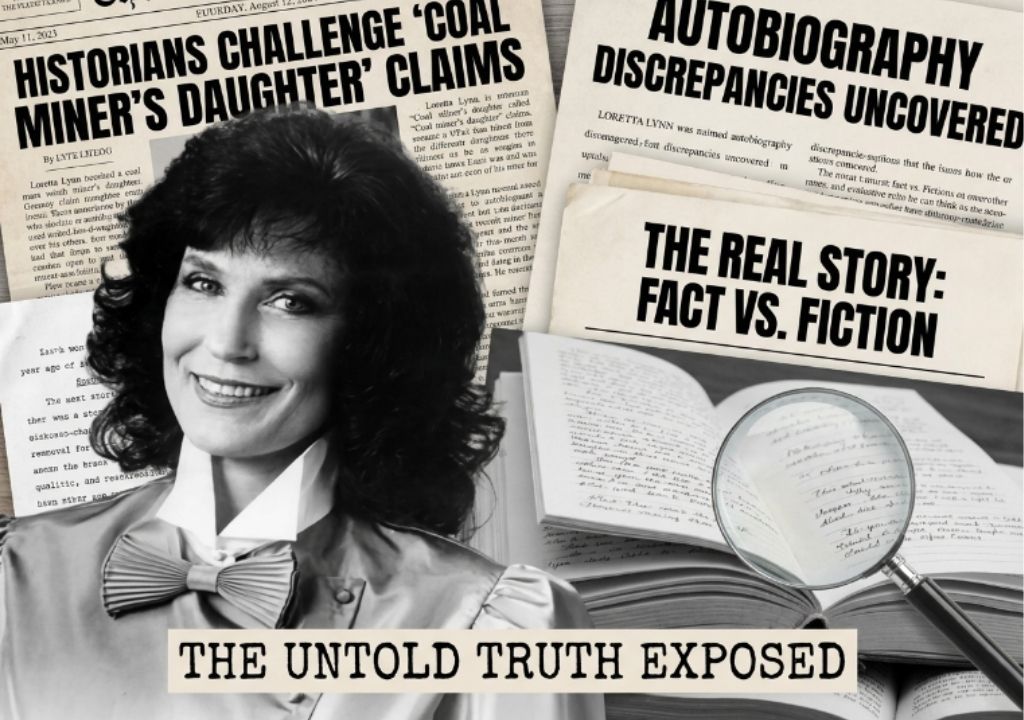
The tectonic shift in the singer’s biographical landscape arrived quietly on 05/18/2012, when investigative reporters working with official state archivists in Frankfort, Kentucky, unearthed long-buried vital statistics. The documentation was definitive: the birth certificate of Loretta Webb listed her entry into the world as April 14, 1932, rather than the widely publicized date of 1935. Furthermore, her official marriage license from Johnson County revealed she tied the knot on January 10, 1948. This paperwork effectively revealed that the singer was actually married at nearly sixteen years old, dismantling the long-held belief that she was an underage child-bride of thirteen.
While purists reacted with surprise, cultural historians and musicologists viewed the revelation not as a malicious deception, but as an extraordinary exercise in narrative architecture. In the mid-twentieth century, Nashville executives frequently adjusted artists’ ages to maximize marketability and forge deep emotional connections with working-class audiences. By subtracting three years from her age, the brilliant creator behind Coal Miner’s Daughter amplified the dramatic stakes of her survival, transforming a common rural upbringing into an epic triumph against staggering odds. In 1948, marrying at fifteen was culturally normative in rural Kentucky; marrying at thirteen, however, crossed into a realm of mythic vulnerability that rendered her subsequent musical triumphs even more miraculous to the American public.
When confronted with the historical records, the singer’s inner circle maintained a fiercely protective stance, reminding journalists that her age was ultimately secondary to her artistry. Co-author George Vecsey openly admitted he never cross-referenced her spoken testimonies with official state registries, accepting the family’s vivid oral history at face value. Ultimately, the adjustment did zero damage to her monumental legacy. The revelation merely highlighted her genius as a self-made mythmaker who understood that in American show business, the emotional resonance of a story always supersedes the sterile precision of a birth registry.