Introduction
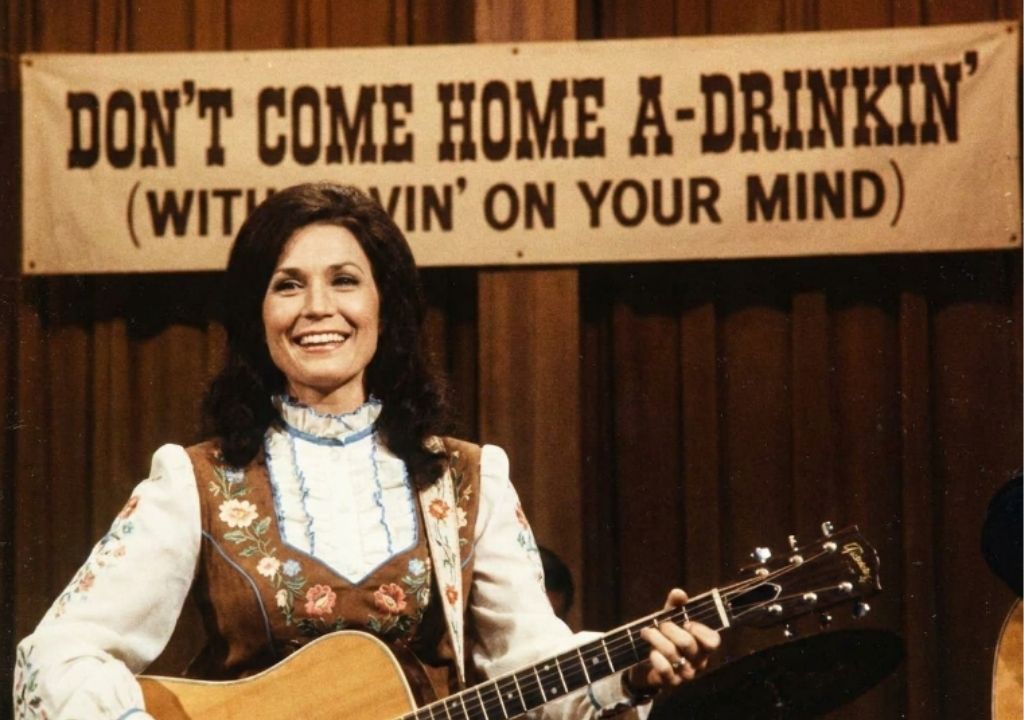
There is a distinct, sharp crackle that comes with dropping a needle onto a vintage piece of vinyl, a sonic threshold that immediately transports us back to the smoky, neon-lit honky-tonks of 1966. In that era, country music was largely a gentleman’s club, dominated by smooth crooners and male perspectives that often painted women as either saintly homemakers or distant, broken heartbreakers. Then came a proud coal miner’s daughter from Butcher Hollow, Kentucky, carrying nothing but a guitar, a fierce spirit, and a trunk full of hard truths. When Loretta Lynn released this masterpiece, she didn’t just climb the charts; she shook the very foundations of Music Row and rewrote the rules of what a female country artist could say.
The song opens with the iconic, weeping cry of a pedal steel guitar, a signature sound that instantly conjures up images of late nights, dimly lit bars, and the heavy ache of waiting at home. The rhythm is a steady, driving honky-tonk shuffle that keeps the energy grounded and confrontational, perfectly mirroring the defiance in the lyrics. Loretta’s voice cuts through the instrumentation with absolute clarity—raw, unpolished, and dripping with authentic Appalachian grit. She sings with the conversational ease of a woman standing at her kitchen door, arms crossed, refusing to back down. There is no melodrama here, only the sharp, resonant truth of lived experience.
Lyrically, the track was nothing short of revolutionary for its time. It boldly addressed the domestic realities of marital discord, alcoholism, and physical boundaries, topics that conservative radio stations initially found shocking. By declaring that a husband could not spend his evening drinking in taverns and expect a warm, romantic welcome at home, Loretta spoke directly to millions of women who had previously felt invisible and voiceless. It was a declaration of self-respect wrapped in a three-minute country tune. The song resonated so deeply with the public that it became her very first number-one country hit in early 1967, paving the way for future generations of women in the genre to write about their own real-life struggles without compromise.
Decades later, listening to this track feels like watching a beautifully preserved, gritty documentary film reel of mid-century Americana. It captures a specific cultural turning point where traditional country music collided with the brewing social changes of the sixties. Loretta Lynn’s genius lay in her ability to make the deeply personal feel completely universal. Her songwriting style was completely devoid of pretension; she used simple, direct language to deliver profound emotional impacts. For those of us who cherish the golden era of country music, this song remains an essential pillar of the genre—a timeless reminder of an era when music was defined by raw honesty, brilliant storytelling, and artists who weren’t afraid to tell it like it is.