INTRODUCTION
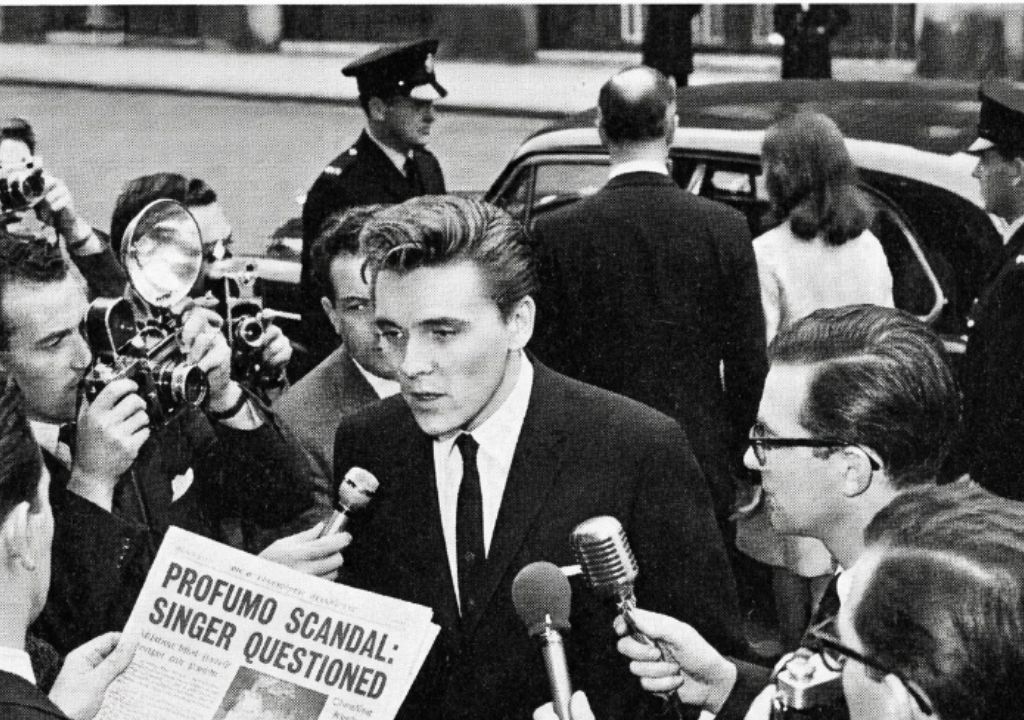
In late 1961, inside a dimly lit West End rehearsal room, a rising rock icon made a seemingly minor artistic calculation that would unintentionally alter British political history. Seeking a raw, unpolished rock ’n’ roll edge, Billy Fury dismissed his Blue Flames backing band, deeming their jazz-infused sensibilities incompatible with his artistic vision. Unemployed yet fiercely talented, pianist Georgie Fame and his musicians immediately migrated to Soho’s iconic Flamingo Club, establishing an all-night residency that became the beating heart of London’s subterranean nightlife. There, amid the haze of late-night jazz and R&B, society figures, showgirls, and underground characters collided in an unprecedented cultural mix. Few realized that this shifting venue dynamic laid the groundwork for the explosive 1963 Profumo scandal that shattered Prime Minister Harold Macmillan’s government. What hidden chain reaction linked a quiet rock star’s studio decision directly to the corridors of Westminster power?
THE DETAILED STORY
The cultural history of 1960s London is often chronicled through distinct, isolated lenses: the birth of British rock ’n’ roll on one side, and the dramatic erosion of establishment deference on the other. Yet, beneath the surface of post-war Britain, these worlds were intimately intertwined through the physical geography of Soho. When Fury severed ties with the Blue Flames, he ignited a butterfly effect across London’s nightlife. Georgie Fame’s new residency at the Flamingo Club on Wardour Street rapidly attracted an eclectic demographic ranging from American service members to West End theater performers, creating a unique sanctuary where social boundaries dissolved.
Among the Flamingo’s regulars was showgirl Christine Keeler, whose social circle revolved around society osteopath Dr. Stephen Ward. Through the club’s vibrant musical ecosystem, key figures from different strata of British society crossed paths. It was within this specific subterranean environment that Keeler encountered figures whose volatile relationships eventually unspooled in public view. When violent altercations involving Keeler’s associates drew police scrutiny, investigative reporters uncovered her concurrent affairs with War Secretary John Profumo and Soviet naval attaché Yevgeny Ivanov. The ensuing revelations exposed deep vulnerabilities within national security, dominating international headlines and destabilizing the Conservative cabinet.
While Fury remained entirely distant from the political improprieties, historians acknowledge that his uncompromising artistic standards served as the unwitting catalyst for this cultural convergence. By pushing the Blue Flames toward the Flamingo Club, The Profumo Affair unlocked Soho’s explosive cultural convergence, illustrating how youth culture inadvertently reshaped British public life. Media analysts note that the scandal marked a permanent shift in how British society scrutinized political authority, ending an era of unquestioned aristocratic privilege. Ultimately, the intersection between Fury’s personnel change and the fall of a government demonstrates the profound, interconnected nature of cultural history. A single aesthetic choice in a rehearsal room reverberated far beyond the charts, demonstrating how the momentum of early British rock ’n’ roll reshaped the nation’s social and political landscape.