INTRODUCTION
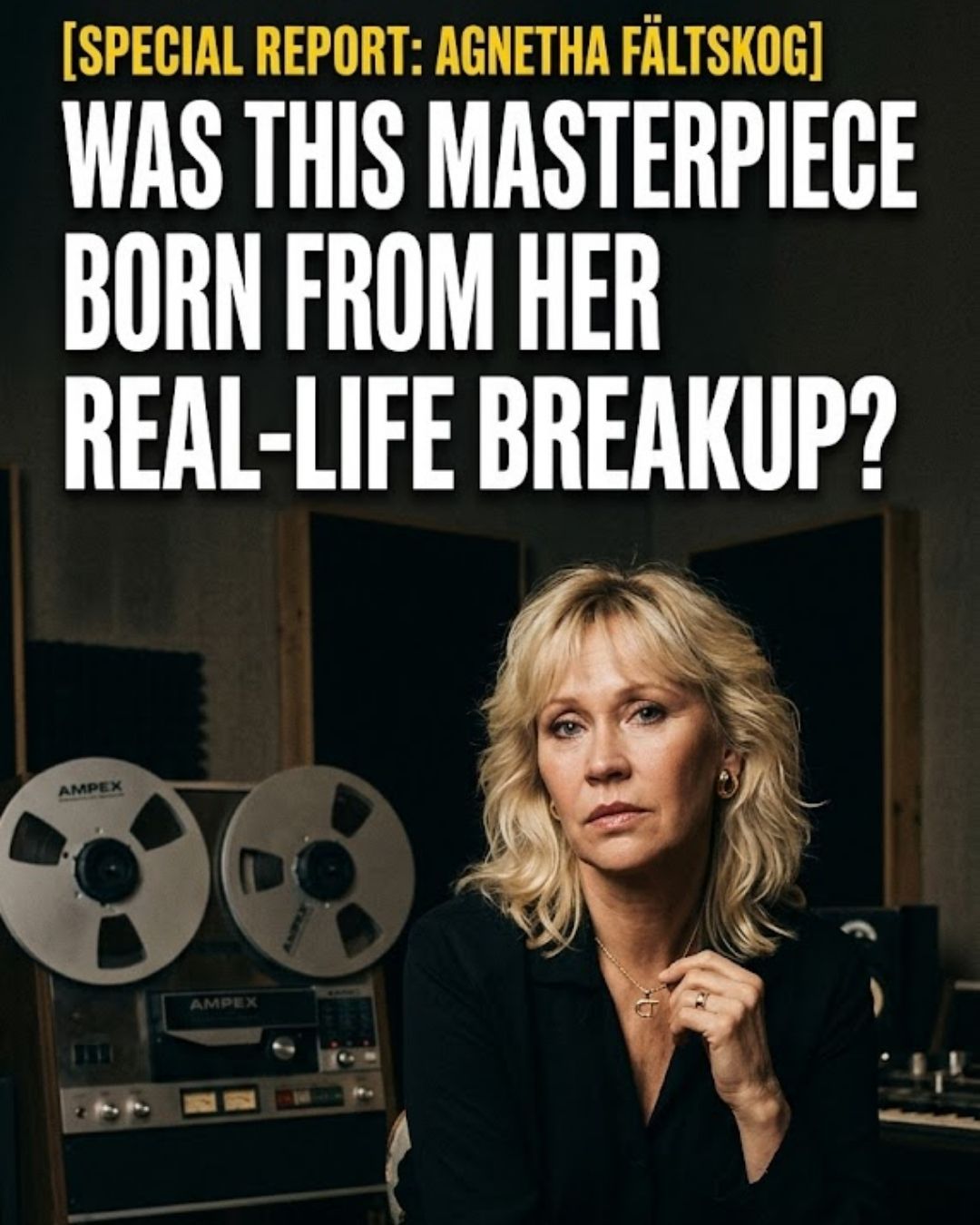
Under the austere lighting of Stockholm’s Polar Music Studios in the spring of 1980, the air held an unmistakable gravity. Agnetha Fältskog stood isolated before the condenser microphone, holding a newly penned lyric sheet that dissected the anatomy of a broken marriage—authored by the very partner she had divorced months earlier. For any ordinary performer, singing such intimate wreckage would be an unbearable public exposure. Yet as the delicate piano intro settled into rhythm, Fältskog found a frequency that transcended mere studio session work. She captured something far rarer than pop melodrama: a sovereign display of composure in the face of profound devastation. How did a singer facing personal unraveling transform a private wound into the defining vocal performance of her entire life?
THE DETAILED STORY
When songwriter Björn Ulvaeus composed the lyrics during a solitary night fueled by whiskey in 1980, he insisted the narrative was an impressionistic reflection rather than a verbatim diary of his split from Agnetha. Yet when Fältskog received the demo, titled “The Story of My Life,” the emotional parallels were impossible to divorce from reality. In lesser hands, the track risked collapsing under self-pity or theatrical melodrama. Fältskog’s genius lay in her nuanced interpretive restraint.
Her vocal delivery begins in near-whispered resignation, navigating Benny Andersson’s cascading chord progressions with pristine dynamic control. As the arrangement swells, she escalates through her upper register with striking clarity, hitting the soaring climaxes with razor-sharp intonation rather than strained vibrato. Fältskog did not merely sing the lines; she infused them with an unmistakable aristocratic poise, ensuring the protagonist never sounded defeated despite acknowledging total loss. Even Ulvaeus later conceded in interviews that hearing her perform the track brought him to tears, recognizing that her emotional commitment elevated the composition into high art.
The cultural resonance was immediate upon its release in July 1980. The single ascended to number one on the UK Singles Chart in August and reached number eight on the US Billboard Hot 100 in March 1981, cementing its status as an international tour de force. The accompanying music video, filmed by director Lasse Hallström in the coastal village of Marstrand, permanently etched her interpretation into pop iconography: tight close-ups capturing her melancholic gaze, poised smile, and tear-filled eyes.
Decades later, “The Winner Takes It All” stands not merely as a commercial zenith, but as a monument to interpretive vocal power. Agnetha Fältskog took the raw material of profound heartbreak and transmuted it into dignified grandeur, proving that true artistry lies not in hiding the scars, but in illuminating them with unyielding grace.