INTRODUCTION
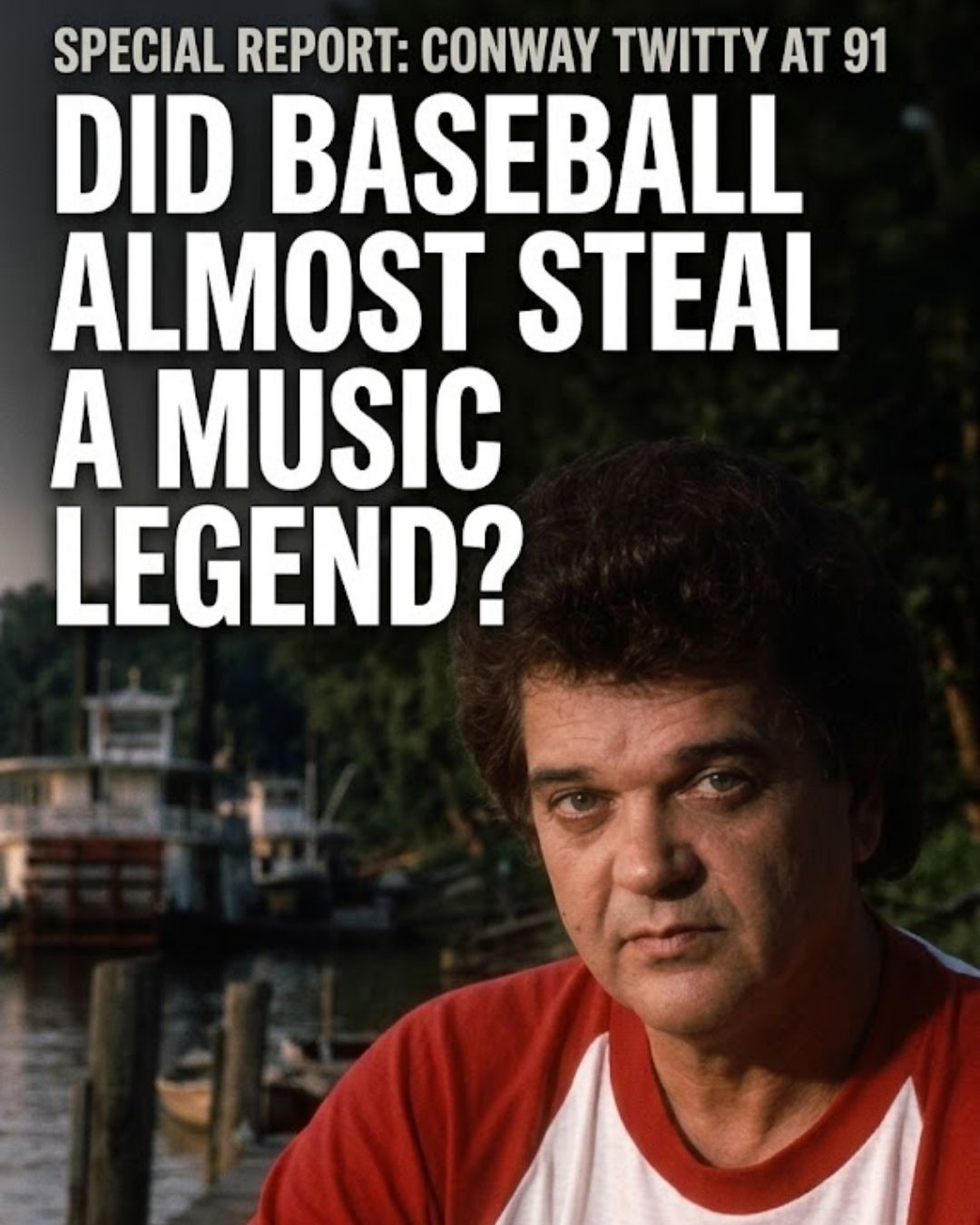
Long before he commanded the Grand Ole Opry stage in tailored suits, Harold Lloyd Jenkins sat on the muddy banks of the Mississippi River listening to the freight trains and ferry whistles echoing across Friars Point. Born into poverty on 09/01/1933, the young boy learned rhythm not from formal conservatories, but from local African American blues musicians and the sacred gospel hymns radiating from neighboring wooden chapels. Yet music was not his only extraordinary gift; he was an astonishing athlete whose blazing fastball drew serious interest from Major League scouts. Caught between the promise of athletic security and a relentless, river-born musical calling, Jenkins faced a crossroad that would redefine mid-century entertainment. What drove a promising baseball talent to gamble everything on an obscure stage name found on a highway atlas?
THE DETAILED STORY
The foundation of Harold Jenkins’ sound began on the Mississippi waters where his father worked as a ferryboat pilot. Friars Point was a nexus of raw Southern expression. Immersed in the Delta blues of local guitarists and the deep harmonies of Sunday congregations, Jenkins absorbed a vocal phrasing that paired emotional vulnerability with deep baritone power. By age ten, he had formed his first band, The Phillips County Ramblers, demonstrating a precocious command of acoustic rhythm.
However, athletic prowess nearly derailed his musical destiny. As a high school standout, Jenkins showcased extraordinary skill on the baseball diamond. The Philadelphia Phillies offered him a professional contract, presenting an immediate pathway out of rural hardship. Yet military service intervened during the Korean War, placing his sports ambitions on pause. Stationed overseas, he played in Army entertainment units, reigniting a burning obsession with songwriting. Upon his discharge, seeing the seismic rise of Elvis Presley convinced him that the future belonged to rock and roll and country narrative.
Recognizing that the name Harold Lloyd Jenkins lacked the commercial punch of modern recording acts, he spread a road map across a table in 1957. Scanning regional towns, his eyes landed on Conway, Arkansas, and Twitty, Texas. With that deliberate fusion, Conway Twitty was born.
The rebranding sparked an unprecedented commercial trajectory. After scoring a multi-million-selling global pop anthem with “It’s Only Make Believe” in 1958, Twitty made the calculated decision to transition entirely into traditional country music. Between 1968 and the late 1980s, he achieved an astounding 55 Number One singles across major music trade charts, establishing a standard of emotional authenticity and vocal precision that reshaped Nashville. By honoring the Mississippi Delta roots of his youth rather than chasing fleeting trends, he forged an enduring legacy as one of the most prolific architects of American popular song.