INTRODUCTION
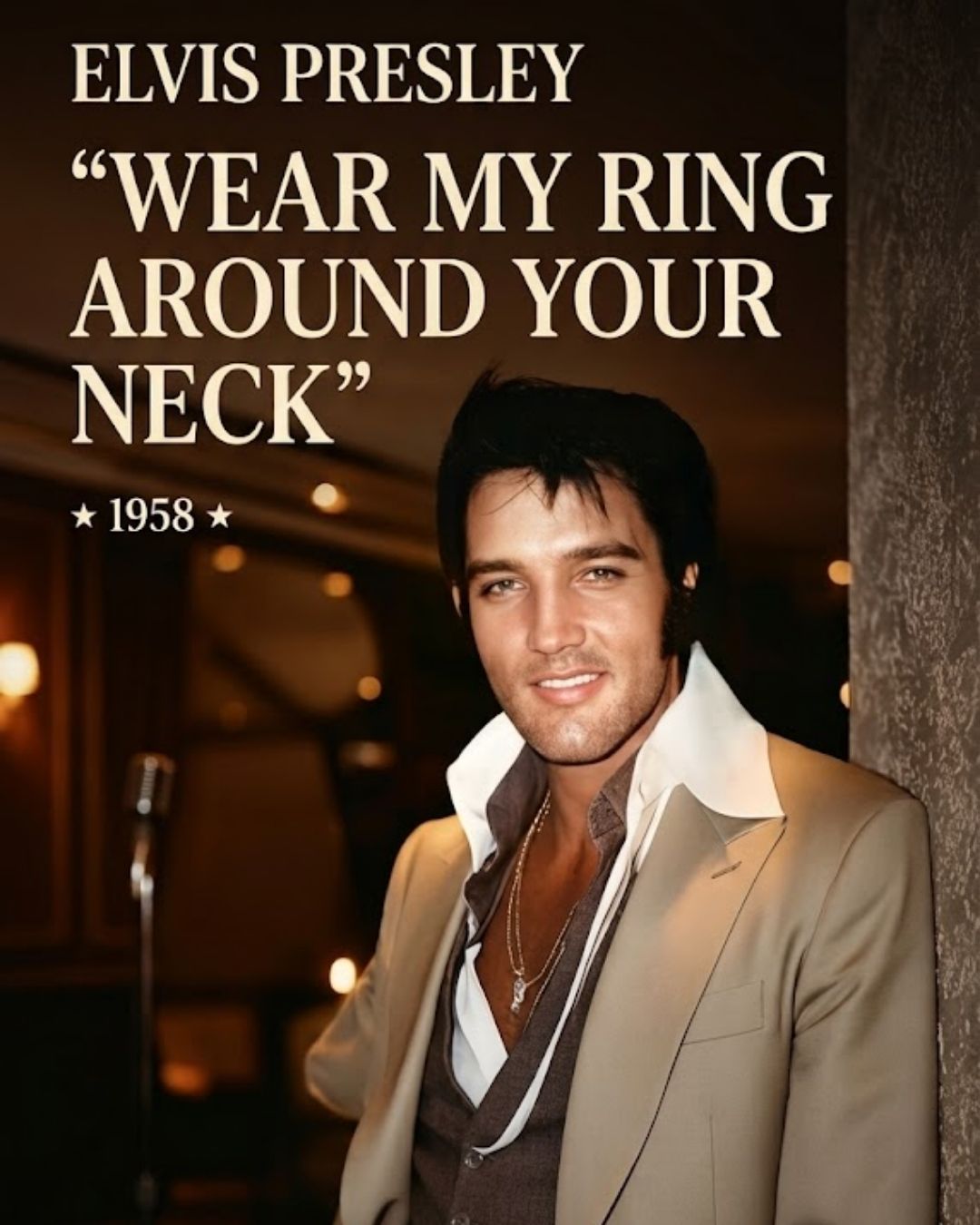
On the evening of February 1, 1958, Elvis Presley walked into Hollywood’s Radio Recorders under an immense shadow of uncertainty. With his mandatory military draft date looming just weeks away, the studio atmosphere crackled with urgent creative electricity. How did a simple teenage pledge of devotion become the defiant farewell sprint of rock’s original golden era?
THE DETAILED STORY
In early 1958, the American music landscape stood on the precipice of a monumental shift. Elvis Presley was scheduled for formal induction into the United States Army on March 24, threatening to halt the most explosive career in modern entertainment history. Facing an uncertain future while preparing to trade his stage suits for standard military fatigues, Presley channeled unprecedented urgency into the studio. To ensure his dominance remained unbroken during his upcoming two-year deployment, RCA Victor and his management scheduled urgent sessions in Hollywood to stockpile an arsenal of vital hit records.
Songwriters Bert Carroll and Russell Moody had crafted a tune celebrating the mid-century teenage custom of “going steady”—a romantic declaration where a high school boy gifted his class ring for his sweetheart to wear on a neck chain. While the lyrical premise was innocent and sweet, Presley and his studio ensemble transformed the composition into an unrelenting rockabilly powerhouse. Inside the historic facility, longtime collaborators guitarist Scotty Moore, bassist Bill Black, and drummer D.J. Fontana joined pianist Dudley Brooks and gospel vocal group The Jordanaires to construct an irresistibly propulsive sonic groove.
Musically, the track distinguishes itself through pure kinetic momentum and extraordinary rhythmic precision. Driven by crisp, syncopated handclaps and a driving boogie-woogie bassline, the arrangement provided the perfect springboard for Elvis to unleash his trademark vocal acrobatics. He delivered the lyrics with rhythmic stutters, playful growls, and effortless swagger, turning a standard courtship ritual into an urgent celebration of youth rebellion. His phrasing danced dynamically over rolling piano triplets, demonstrating an instinctive mastery of raw rhythm and blues cadence fused with high-octane country swing.
Issued as a single in April 1958 alongside “Don’tcha Think It’s Time,” the track swiftly proved its commercial resilience. It achieved massive three-way chart success, climbing to number two on the pop chart, number one on country rankings, and number three on R&B, demonstrating his unparalleled crossover appeal across distinct audiences.
Beyond its commercial triumph, the recording represents a poignant historical benchmark in mid-century American culture. It stands as one of the final raw rock and roll masterpieces Elvis recorded before donning a military uniform, forever preserving the vibrant charisma, youthful innocence, and boundless energy of his definitive 1950s reign.