INTRODUCTION
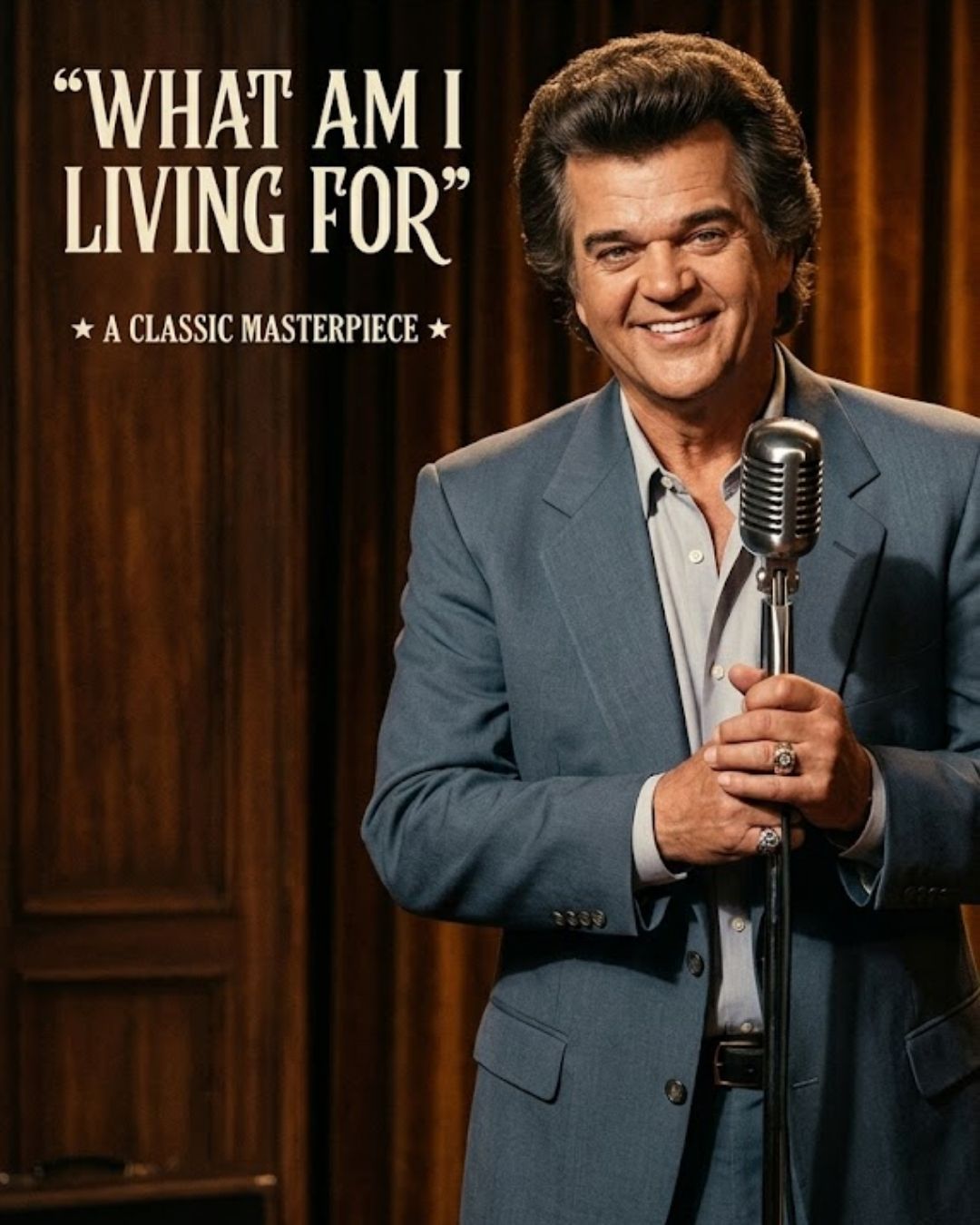
In early 1960, inside a bustling recording studio, Conway Twitty leaned intimately into the microphone, channeling an agonizing plea that felt worlds away from teen pop. Taking on a song immortalized by tragic R&B pioneer Chuck Willis was an enormous gamble. How did a rockabilly rebel from Mississippi transform a sacred soul ballad into an enduring testament of devotion?
THE DETAILED STORY
Written by Fred Jay and Art Harris, “What Am I Living For” first gripped American listeners in the spring of 1958 when R&B pioneer Chuck Willis topped the national charts with his haunting, Latin-tinged original. When Willis tragically passed away at age thirty shortly after recording it, the song took on an almost mythic, bittersweet aura across the music industry. Approaching such revered material two years later was a daunting artistic challenge for any contemporary singer, yet Conway Twitty recognized something profoundly relatable within its desperate, soul-searching verses. Twitty, born Harold Lloyd Jenkins, had already tasted global rock and pop stardom with “It’s Only Make Believe,” but he constantly sought songs that demanded intense dramatic conviction.
Stepping into the studio for MGM Records alongside producer Jim Vienneau and arranger Bill Justis, Twitty reimagined the track with a distinct, brooding swagger. Rather than simply imitating Willis’s relaxed staccato tempo, Twitty slowed the pacing into a simmering swamp-pop ballad anchored by a gentle 6/8 rhythmic pulse, weeping electric guitar licks, and a lush gospel-style vocal choir. What truly elevated the performance above standard cover versions was Twitty’s extraordinary vocal dynamics. He deployed his trademark guttural catches, dramatic volume swells, and breathless falsetto flourishes, infusing the lyric “What am I living for, if not for you?” with undeniable romantic urgency. Every syllable felt torn from the depths of genuine heartache, turning an understated melody into an arresting masterclass in tension and emotional release.
Released as a 45-RPM single in March 1960, Twitty’s impassioned rendition struck an immediate chord, ascending to number 26 on the Billboard Hot 100. More than just another commercial success, the recording served as a crucial milestone in his artistic evolution. It demonstrated his rare instinct for synthesizing African American rhythm and blues, rockabilly energy, and Southern country pathos into a singular, authentic vocal identity. Decades before he would reign supreme as one of country music’s greatest hitmakers, this early masterpiece proved that Twitty’s real power came from treating every ballad with total sincerity. “What Am I Living For” remains an indispensable gem in the Conway Twitty discography, capturing a legendary performer discovering the full emotional power of his voice.