INTRODUCTION
In late 1959, Harold Jenkins walked into a recording session carrying a demo tape that another icon had completely abandoned. Behind the studio glass, a low, rumbling bassline began to churn as the singer unleashed a wounded, guttural baritone that stunned the engineers. What transformed this rejected soundtrack outtake into one of the most defining vocal performances of the rockabilly era?
THE DETAILED STORY
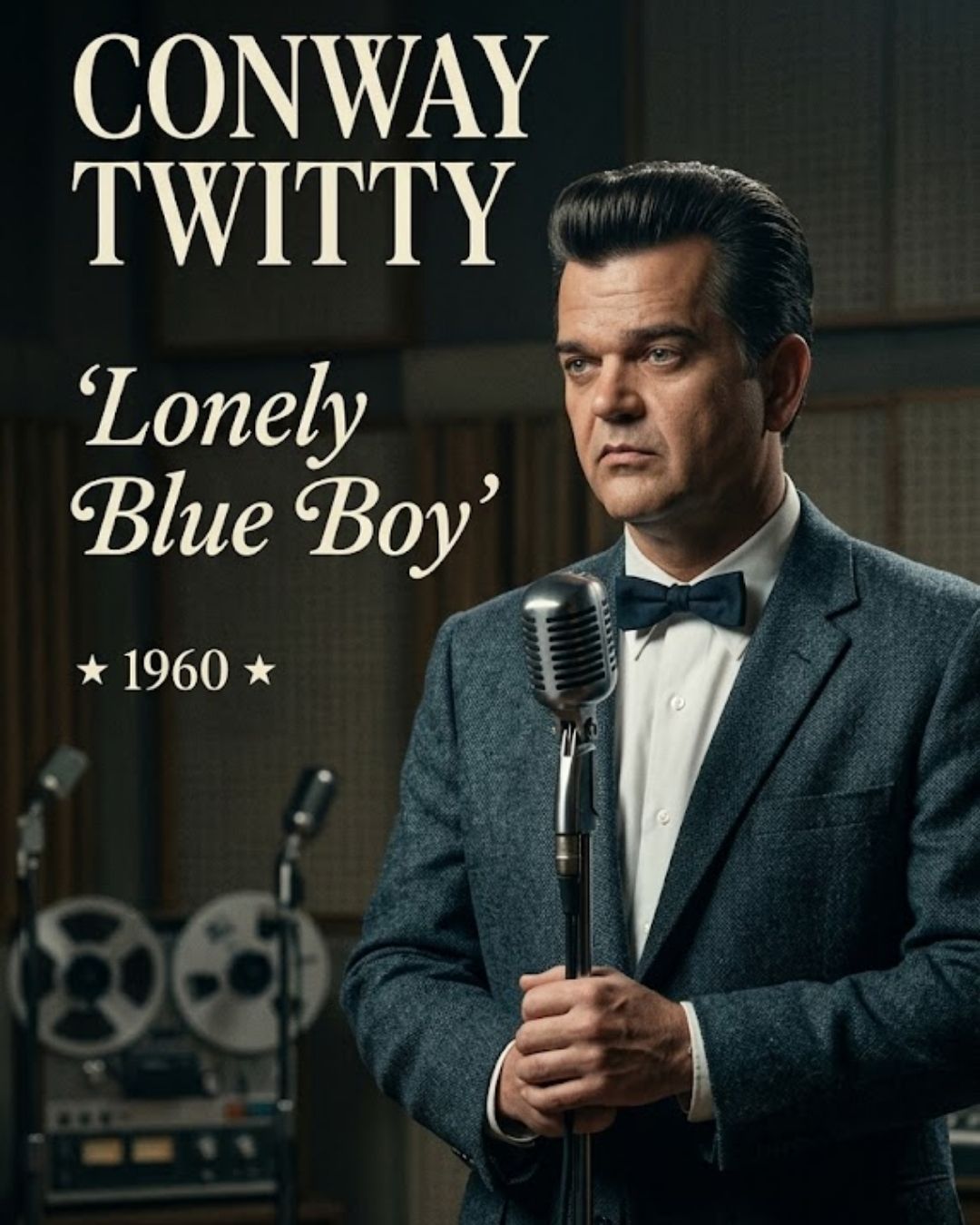
Long before he became an undisputed titan of modern country music, Conway Twitty was navigating the turbulent landscape of early rock and roll. Following the monumental global breakthrough of his 1958 chart-topper “It’s Only Make Believe,” the pressure from MGM Records to deliver another smash hit was immense. The solution came from an unlikely source: an unused composition titled “Danny,” penned by Ben Weisman and Fred Wise for Elvis Presley’s 1958 motion picture King Creole. When the film character’s name was altered, Presley’s original take was shelved, leaving an extraordinary melody searching for a new voice.
Twitty recognized the latent emotional power inside the discarded song. With minor lyrical revisions and a new title reflecting its desolate protagonist, he entered the recording studio in November 1959 to claim the piece as his own. Instead of mimicking the polished teen-idol conventions dominating the airwaves, Twitty leaned heavily into visceral drama. Accompanied by his backing group, the Twitty Birds, he anchored the track with an ominous acoustic rhythm, subtle guitar fills, and a persistent, hypnotic bass groove that echoed the steady tick of a lonely clock.
What elevated the recording into an enduring classic was Twitty’s astonishing vocal execution. He weaponized his signature growls, weeping vibrato, and dynamic swoops, shifting seamlessly between desperate whispers and explosive cries of romantic abandonment. His delivery did not just sing the lyrics; it inhabited the claustrophobic isolation of a young man trapped in emotional exile. The sparse, reverb-drenched production allowed every breath, sob, and vocal tear to resonate with chilling intimacy, bridging the raw urgency of Sun Records rockabilly with the theatrical sophistication of classic pop balladry.
Upon its release, the single struck an immediate chord with listeners across America, climbing swiftly into the top ten on the Billboard pop charts while finding unexpected acclaim on rhythm-and-blues playlists. It proved conclusively that Twitty was far more than a passing rockabilly sensation or an Elvis imitator; he was a singular stylist capable of injecting genuine, operatic pathos into mainstream youth culture. Decades later, the track remains a towering milestone in his storied discography—a haunting masterclass in atmospheric phrasing that forever immortalized the melancholic spirit of the era.