INTRODUCTION
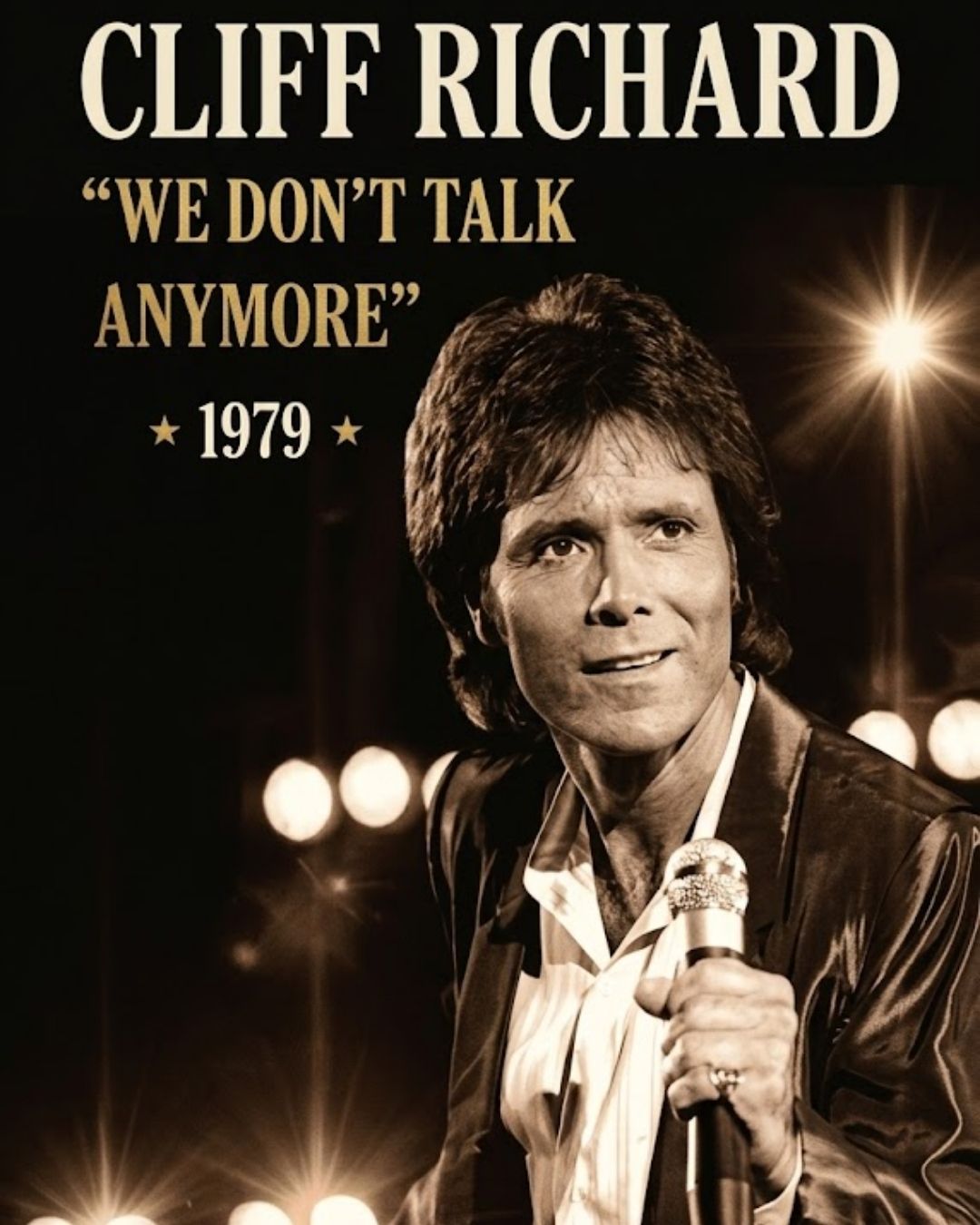
In early 1979, producer Bruce Welch presented veteran British pop pioneer Cliff Richard with a fresh demo tape written by Alan Tarney. The track featured an unexpected, driving pulse that stood in stark contrast to the traditional ballads Richard had recorded for years. How did an established superstar harness a contemporary groove to achieve the most celebrated chart comeback of the decade?
THE DETAILED STORY
By the late 1970s, the global music landscape had fractured into the aggressive fury of punk and the glittering pulse of disco. Many industry critics believed that the golden era of first-generation British rock icons had reached a definitive end. Yet, Cliff Richard refused to become a passive relic of the past. When gifted songwriter Alan Tarney composed We Don’t Talk Anymore, he envisioned a cutting-edge arrangement blending contemporary new wave sensibilities with a sleek, driving pop groove. Tarney performed almost every instrument on the original demo, layering sparkling rhythm guitar hooks over a tight, syncopated bassline.
Entering London’s recording studios alongside trusted producer Bruce Welch, Richard instantly recognized the revolutionary potential within Tarney’s demo. Instead of cluttering the mix with heavy orchestration or nostalgia-driven brass, the production team maintained the track’s crisp, minimalist modern sound. Richard consciously refined his vocal style, setting aside his traditional dramatic vibrato in favor of a breathy, understated delivery that conveyed genuine heartache. The true genius of the composition lies in this brilliant aesthetic tension: beneath an upbeat, infectious rhythm rests an agonizing story of two former lovers who have fallen into cold silence. The lyrics poignantly explore how profound emotional intimacy can suddenly dissolve into complete estrangement.
Issued in the summer of 1979, the track exploded into an international sensation. It climbed to number one on the charts in the United Kingdom, holding the summit for four straight weeks and cementing Cliff’s tenth British chart-topper across four consecutive decades. Across the Atlantic, the record achieved extraordinary crossover impact, managing to peak at number seven on the Billboard Hot 100 in early 1980 and ultimately selling over four million copies globally. The single also carved out television history when its promotional clip was aired as the sixth video ever broadcast during the 1981 launch of MTV.
We Don’t Talk Anymore accomplished far more than delivering a massive chart resurgence; it redefined Richard’s artistic identity for a brand-new generation. The track stands as an enduring masterclass in pop craftsmanship, uniting sophisticated groove with poignant emotional vulnerability. Even today, that iconic opening rhythm continues to resonate across global radio, serving as a timeless soundtrack to the universal pain of unspoken farewells.